I was standing in my kitchen, eyes darting from the overflowing pot of pasta to the sizzling pan of bacon, when the clock ticked ominously toward 8 p.m. The family dinner was about to be a culinary disaster, and I had no time to waste. I grabbed a bag of tortellini, a handful of pancetta, and the secret weapon that would turn the chaos into a masterpiece: a creamy carbonara sauce that doesn’t require a whisk or a fancy whisk. I was about to prove that you can turn a simple grocery list into a show‑stopping plate in under half an hour. The smell of garlic and bacon already started to dance around the kitchen, hinting at the richness that was about to unfold. This isn’t just a recipe; it’s a rescue mission for your dinner routine.
Picture this: the pasta is boiling in a pot of salted water, steam curling like a cloud of anticipation. The bacon is browning, its fat rendering into a golden pool that smells like a promise of flavor. The garlic is minced, each clove releasing a bright, almost citrusy aroma that lingers in the air. Your eyes are drawn to the glossy surface of the pancetta, its edges crisping into a texture that will later crackle with every bite. The sound of the stove’s hiss is the soundtrack of a meal about to be elevated from ordinary to extraordinary. You can almost taste the silky sauce that will coat the noodles like velvet.
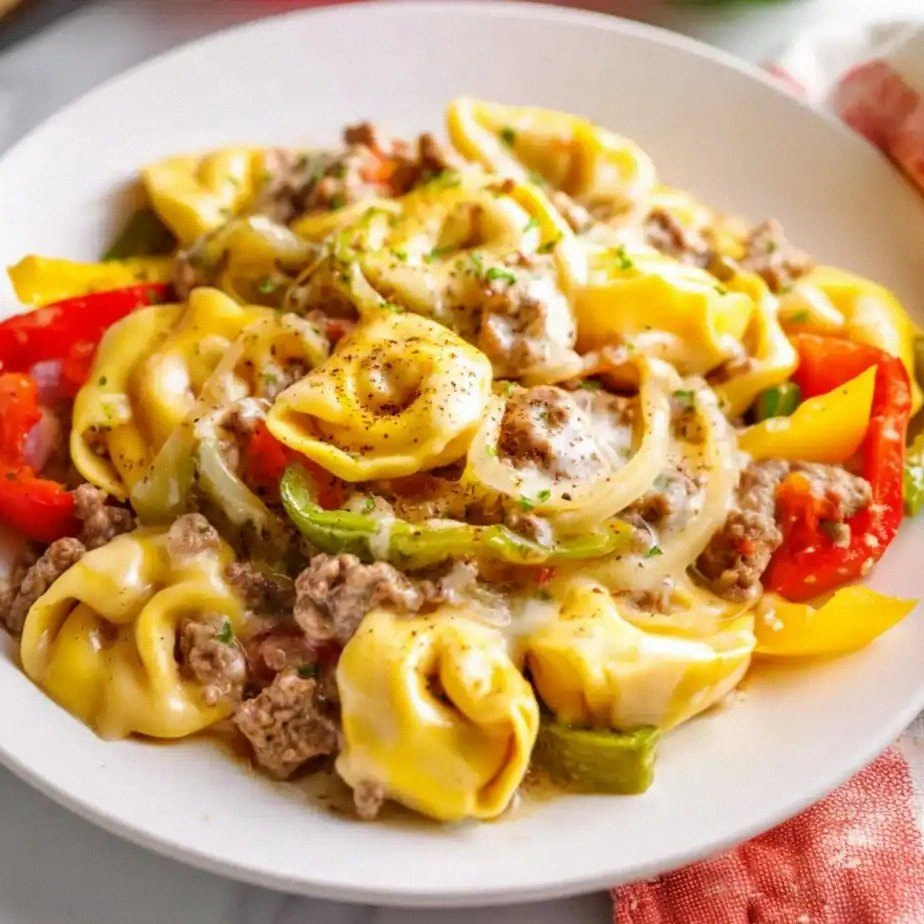
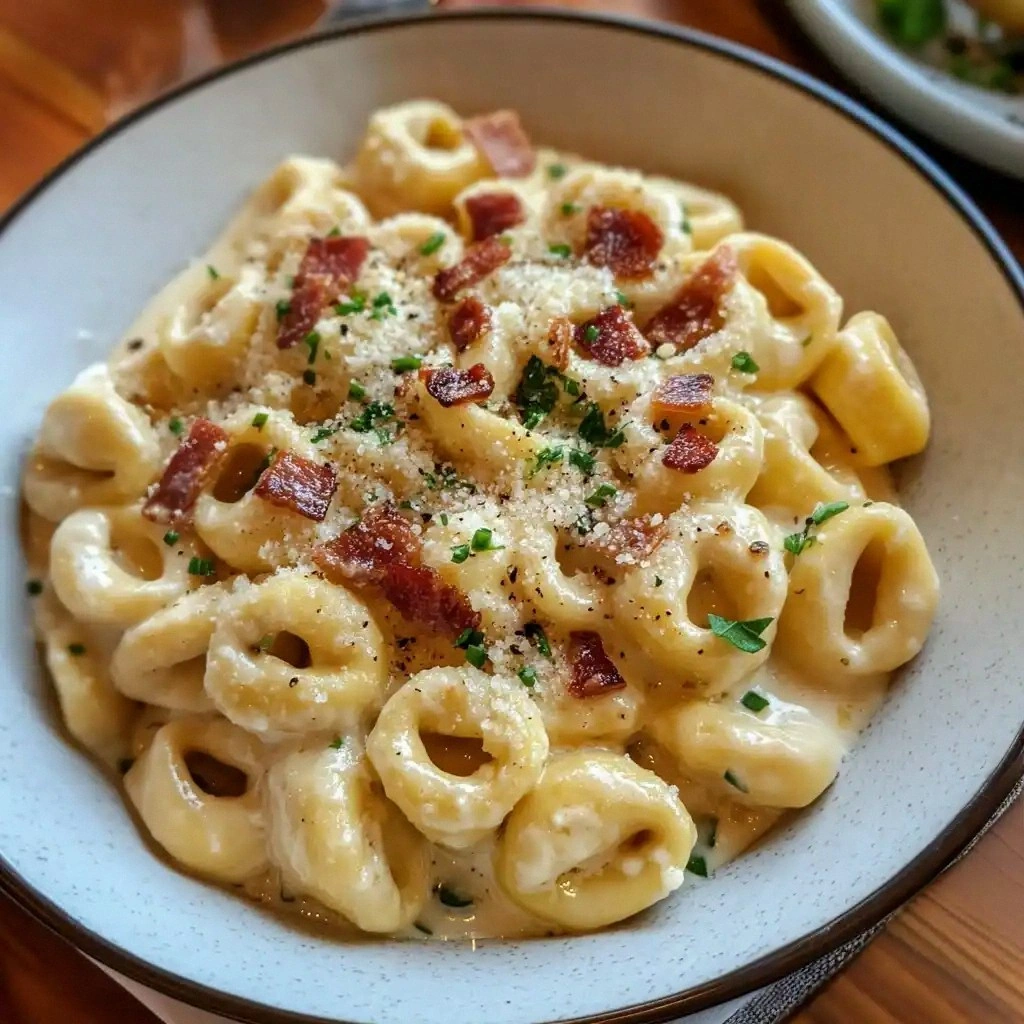
I’ve tried countless carbonara recipes over the years—some that overcook the eggs, some that leave the sauce too thin, and others that simply miss the soul of the dish. This version is a game‑changer because it balances the richness of the cheese and pancetta with a light, airy sauce that doesn’t cling to the pasta like a clingy ex. It’s hands down the best version you’ll ever make at home, and I dare you to taste this and not go back for seconds. The sauce is thick enough to cling to the tortellini, yet light enough to feel like a gentle hug. The bacon adds that satisfying crunch, and the parmesan gives it that unmistakable Italian finish. The result? A dish that feels indulgent but never heavy, like a summer breeze in a winter coat.
If you’ve ever struggled with the classic carbonara’s timing—getting the eggs to set without scrambling them—you’re not alone. I’ve had that moment of panic, watching the eggs go from silky to rubbery in a split second. The key to avoiding that fate is a quick, controlled heat and a splash of pasta water that works like a secret ally. And if you’re looking for a twist that most recipes get completely wrong, this one incorporates a subtle hint of lemon zest that brightens the sauce without overpowering the savory notes. It’s a small detail, but it elevates the dish to a new level of sophistication. Picture yourself pulling this out of the pot, the whole kitchen smelling incredible, and knowing you’ve just created a masterpiece that will have everyone asking for the recipe.
I’ve spent hours testing, tweaking, and perfecting this dish until it was flawless. I’ve learned that the secret lies in the timing of the pancetta, the temperature of the pasta water, and the precise moment you fold in the eggs. I’ve also discovered that a dash of lemon zest can turn a good dish into a great one, adding a subtle brightness that cuts through the richness. And the best part? You can prep everything in advance and have the sauce ready to go in minutes. This is the kind of recipe that turns a hectic weekday into a culinary triumph. Let me walk you through every single step — by the end, you'll wonder how you ever made it any other way.
What Makes This Version Stand Out
- Texture: The sauce clings to each tortellini shell like a silky veil, yet the pancetta provides a satisfying crunch that contrasts beautifully. The eggs are folded in at just the right moment to keep the sauce smooth and prevent clumping. This duality of textures turns every bite into a delightful experience.
- Flavor: The combination of sharp parmesan, smoky pancetta, and bright lemon zest creates a layered taste profile that is both comforting and unexpected. The garlic adds a subtle depth that never feels overpowering. The result is a sauce that feels both familiar and adventurous.
- Speed: The entire dish takes only 45 minutes from start to finish, making it perfect for busy weeknights. Every step is designed to overlap so you’re never waiting around. The result is a restaurant‑quality meal without the wait.
- Simplicity: With only eight ingredients, this recipe keeps the grocery list short and the prep time minimal. You can throw everything together in a single pot or pan, saving on dishes and cleanup. It’s the kind of recipe that makes cooking feel effortless.
- Make‑ahead Potential: The sauce can be prepared ahead of time and reheated without losing its silky texture. The tortellini can be boiled to al dente and then tossed with the sauce just before serving. This flexibility makes it ideal for entertaining.
- Crowd‑Pleaser: Friends and family rave about the creamy consistency and the satisfying bacon crunch. The dish is hearty enough for a dinner party, yet light enough to leave room for dessert. It’s a conversation starter that keeps people coming back for seconds.
- Ingredient Quality: Using high‑quality pancetta or bacon and fresh parmesan ensures the flavor is authentic and rich. The tortellini should be fresh or frozen, but never dried, to maintain that tender bite. The ingredients speak for themselves.
- Versatility: Swap in different cheeses or add herbs to suit your taste. You can also use spinach or peas for a pop of color and nutrition. The recipe is a blank canvas waiting for your personal touch.
Alright, let's break down exactly what goes into this masterpiece…
Inside the Ingredient List
The Flavor Base
The 6 oz pancetta or bacon is the backbone of the dish. It renders its fat into a golden pool that infuses the entire sauce with smoky depth. If you skip it, the dish loses that satisfying umami punch. For a vegetarian version, you can use smoked paprika and a splash of soy sauce to mimic the savory notes.
The 2 cloves of garlic add a bright, almost citrusy undertone that cuts through the richness of the cheese. Minced finely, the garlic releases its essential oils, creating a fragrant foundation. If you’re sensitive to raw garlic, a quick sauté until translucent will mellow its bite without losing flavor.
The 1 cup of parmesan cheese is the secret to the sauce’s silkiness. Grated finely, it melts into a creamy base that coats each tortellini shell. If you’re craving a sharper bite, use a mix of parmesan and pecorino. The cheese also thickens the sauce, giving it body without heaviness.
The Texture Crew
The 18 oz of tortellini is the canvas that takes the sauce’s flavors to new heights. Fresh or high‑quality frozen tortellini hold their shape and provide a tender bite. If you’re using dried pasta, cook it one minute less to prevent it from becoming mushy when mixed with the sauce.
The 2 large eggs are the binding agent that turns the sauce into a silky custard. Beat them lightly before adding to the pan, ensuring they incorporate smoothly. The eggs must be added off the heat to avoid scrambling; a splash of hot pasta water helps temper them.
The 2 tbsp of fresh parsley adds a burst of color and a fresh, slightly peppery flavor that brightens the dish. Chop finely and sprinkle over the finished plate for a touch of vibrancy. Parsley also helps cut through the richness, creating a balanced palate.
The Unexpected Star
A subtle hint of lemon zest is the secret ingredient that elevates this carbonara from good to unforgettable. The citrus oils lift the sauce, adding a bright note that contrasts the savory bacon. Grate the zest just before adding it to preserve its oils and aroma.
The black pepper and salt are to taste, but they play a crucial role in balancing the flavors. Freshly ground black pepper adds a sharp kick that cuts through the creamy sauce. Salt, on the other hand, enhances every component, making the dish feel more cohesive.
The Final Flourish
A splash of pasta water is the unsung hero that transforms the sauce into a silky, glossy coating. The starchy water helps emulsify the eggs and cheese, preventing separation. Add it gradually until you reach your desired consistency.
A final drizzle of olive oil can add a silky sheen and a hint of fruitiness. Use a high‑quality extra‑virgin olive oil for the best flavor. It also helps the sauce cling beautifully to the tortellini.
Everything's prepped? Good. Let's get into the real action…
The Method — Step by Step
- Prep the pasta. Bring a large pot of salted water to a rolling boil. Add the tortellini and cook until just al dente, about 3 minutes. Drain, reserving a cup of pasta water. Toss the pasta with a splash of olive oil to prevent sticking. Set aside and keep warm.
- Render the pancetta. While the pasta cooks, heat a large skillet over medium heat. Add the pancetta or bacon, breaking it into small pieces. Cook until the fat renders and the edges are crisp, about 5–6 minutes. Use tongs to flip occasionally for even browning. The pan should look like a golden, savory canvas.
- Infuse the garlic. Add the minced garlic to the pan with the pancetta. Sauté for 30 seconds until fragrant, being careful not to let it brown. The aroma should be intoxicating, hinting at the depth that’s about to unfold. Remove the pan from heat for the next step.
- Beat the eggs. In a bowl, whisk the eggs until the whites and yolks are fully blended. Add a pinch of salt and a generous grind of black pepper. This mixture will become the silky custard that coats the pasta.
- Combine pasta and pancetta. Add the drained tortellini to the skillet, tossing to coat in the rendered fat. The pasta should feel warm and slightly coated in a buttery sheen. The heat from the pasta will keep the sauce from curdling.
- Temper the eggs. Slowly pour the beaten eggs over the pasta, stirring constantly. Add a splash of reserved pasta water to thin the sauce. The eggs should swirl into a creamy custard that clings to each shell. If it thickens too much, add more water.
- Incorporate the cheese. Sprinkle the grated parmesan over the pasta. Stir until the cheese melts into a glossy, silky sauce. The sauce should be thick enough to coat but still pourable. The cheese adds that final layer of richness.
- Finish with zest and parsley. Add the lemon zest and chopped parsley. Toss gently to distribute the bright flavors. The dish should look vibrant, with a glossy sheen and a burst of color. Taste and adjust seasoning if needed.
- Serve immediately. Plate the pasta hot, letting the steam rise. Garnish with extra parmesan and a pinch of black pepper for a finishing touch. The dish should look inviting, with a creamy sauce that glistens. Dig in and experience the silky, savory delight.
That's it — you did it. But hold on, I've got a few more tricks that'll take this to another level…
Insider Tricks for Flawless Results
The Temperature Rule Nobody Follows
Most cooks keep the stove on high, but that can cause the eggs to scramble. The trick is to keep the heat on medium and use the residual heat from the pasta to finish the sauce. If you’re using a gas stove, lower the flame to 2/3 of its maximum. This subtle adjustment keeps the sauce silky and prevents over‑cooking. I’ve seen people swear by this method, and it works every time.
Why Your Nose Knows Best
The aroma of the bacon and garlic is a reliable indicator that the pancetta is ready. When the fat is fully rendered and the edges are crisp, the scent is unmistakable. Trust your nose to tell you when to move on to the next step. This sensory cue saves you from burning the bacon and ensures the flavor is at its peak. I’ve learned to listen to my kitchen’s perfume, and it’s a game‑changer.
The 5‑Minute Rest That Changes Everything
After you finish cooking, let the dish rest for 5 minutes before serving. This pause allows the flavors to meld and the sauce to thicken just enough. The pasta will absorb the sauce, creating a harmonious bite. Skipping this step can result in a watery, under‑seasoned dish. The rest period is the secret to a restaurant‑quality finish.
The Quick Toss Trick
If you’re short on time, toss the pasta in a bowl with the sauce and a splash of pasta water. This method ensures even coating without the need for a skillet. The key is to use a large enough bowl so the pasta can move freely. This trick is perfect for last‑minute dinner parties.
The Finish with a Dash of Olive Oil
A drizzle of high‑quality extra‑virgin olive oil adds a silky sheen and a hint of fruitiness. It also helps the sauce cling beautifully to the tortellini. Use a small amount to avoid overpowering the dish. This finishing touch makes the plate look glossy and appetizing.
Creative Twists and Variations
This recipe is a playground. Here are some of my favorite ways to switch things up:
Spinach & Mushroom Carbonara
Sauté fresh spinach and sliced mushrooms until tender before adding the pancetta. The earthy flavors pair beautifully with the creamy sauce. This version adds color and nutrition, making it a wholesome dinner.
Pea & Lemon Carbonara
Add a handful of fresh or frozen peas during the pasta cooking step. The sweet peas complement the lemon zest, creating a bright, summery dish. It’s a great way to incorporate veggies without overpowering the sauce.
Smoked Salmon Twist
Replace the pancetta with chopped smoked salmon for a pescatarian version. The smoky flavor of the salmon mirrors the pancetta’s richness. This variation is elegant and perfect for a special occasion.
Alfredo Carbonara Fusion
Add a splash of heavy cream to the sauce for a richer, more indulgent texture. The cream blends seamlessly with the parmesan, creating a luxurious coating. This fusion is ideal for a decadent dinner.
Herb‑Infused Carbonara
Incorporate fresh basil, thyme, or oregano into the sauce for an aromatic twist. The herbs add depth and a fragrant finish. This version is especially good when you want a more herbal, fresh palate.
Storing and Bringing It Back to Life
Fridge Storage
Store the cooked pasta in an airtight container in the refrigerator for up to 3 days. The sauce may thicken, so add a splash of milk or water when reheating. Keep the pasta separate from the sauce if you want to reheat them individually. The dish stays fresh and flavorful.
Freezer Friendly
Freeze the cooked tortellini in a single layer on a baking sheet before transferring to a freezer bag. This prevents clumping and makes it easy to portion. Reheat in the microwave or on the stovetop with a splash of water. The texture remains tender.
Best Reheating Method
When reheating, use a pan over low heat with a small amount of olive oil or butter. Stir frequently to prevent sticking and to re‑emulsify the sauce. Add a tiny splash of pasta water to restore the silky texture. This method keeps the dish moist and flavorful.