I was standing in my tiny kitchen, a half‑finished pot of spaghetti sauce simmering on the stove, when my roommate shouted, “You’ve got to try vodka in a pasta sauce!” I rolled my eyes, but the curiosity was gnawing at me like a hungry squirrel. The next thing I knew, I was pouring a splash of clear fire into the pot, and the whole place filled with a scent that made my heart skip a beat. That moment was the spark that ignited the creation of the most unforgettable vegan vodka pasta you’ll ever taste. I dare you to taste this and not go back for seconds.
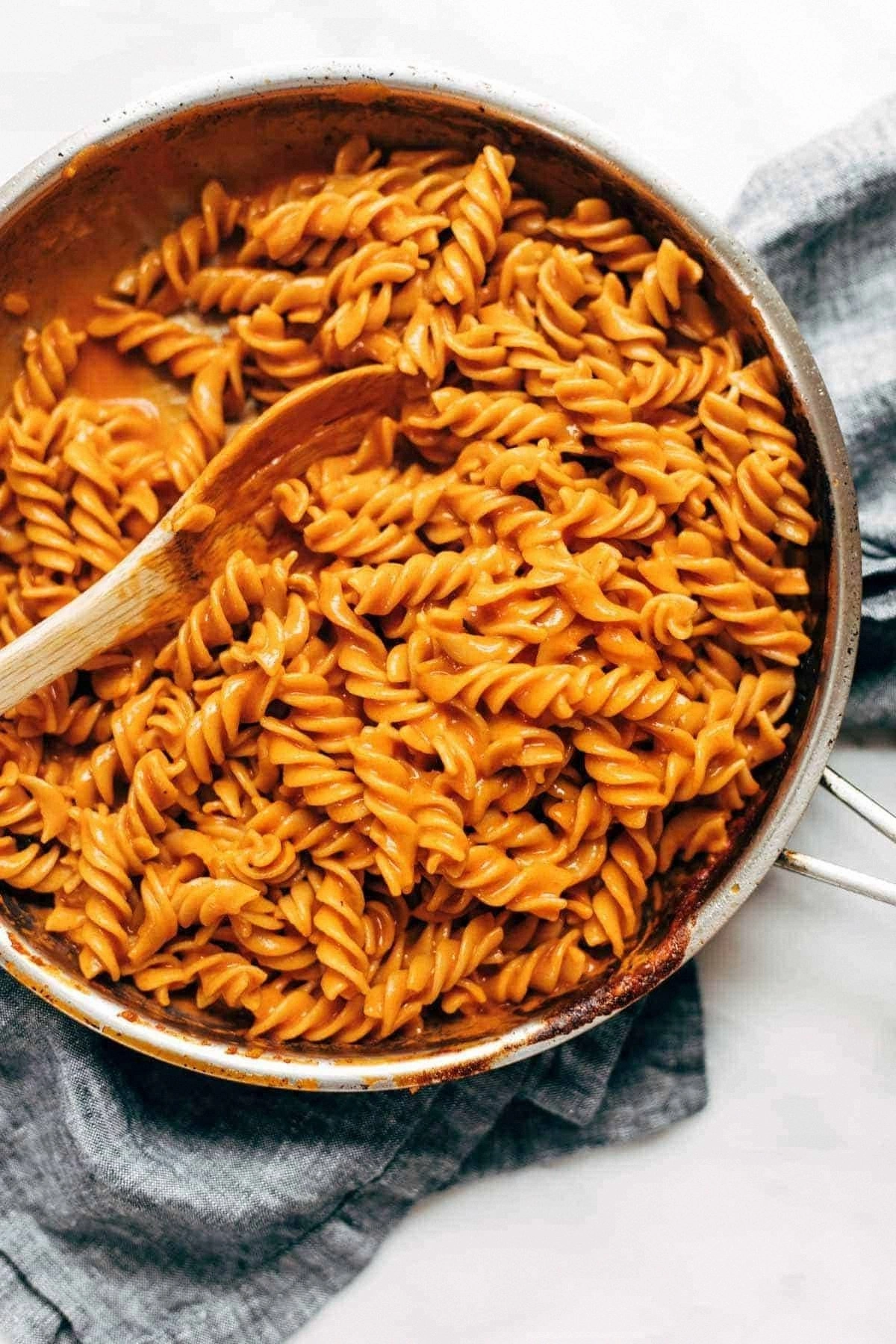
Picture this: a glossy, ruby‑red sauce that clings to each strand of penne like velvet, punctuated by the subtle warmth of vodka that cuts through the acidity of tomatoes and lifts the whole thing into a creamy dream. When you twirl a forkful, the sauce coats every nook, delivering a buttery silkiness that feels like a hug for your palate. The aroma? A seductive dance of sweet tomato, a whisper of garlic (well, a hint of it in the base), and that unmistakable, slightly sharp note of vodka that makes you think, “Yes, I’m cooking like a pro.” I’ll be honest — I ate half the batch before anyone else got to try it.
Most recipes get this completely wrong. They either drown the sauce in dairy, add a gazillion ingredients, or forget the secret that makes the sauce sing: a splash of vodka that deglazes the pan, releasing the hidden flavors locked in the tomatoes. My version strips everything down to five pure, plant‑based ingredients, yet delivers a depth of flavor that would make a non‑vegan weep with joy. The secret? A silky cashew cream that replaces heavy cream without sacrificing that luxurious mouthfeel. And there’s a technique I’ll reveal later that turns a simple stovetop simmer into a flavor‑infused masterpiece.
Okay, ready for the game‑changer? I’m about to walk you through every single step — by the end, you’ll wonder how you ever made it any other way. Stay with me here — this is worth it.
What Makes This Version Stand Out
- Pure Simplicity: Only five ingredients, yet each one shines. No hidden dairy, no mystery powders, just honest, plant‑based goodness that anyone can replicate.
- Velvet Texture: The cashew cream creates a sauce that feels like it was whisked for hours, coating the pasta with a silk that’s impossible to resist.
- Balanced Heat: The vodka isn’t just for show; it mellows the tomato’s acidity and amplifies the sweet notes, giving the sauce a rounded, almost buttery finish.
- Speedy Prep: From pantry to plate in under 45 minutes, making it perfect for weeknight dinners or a quick impress‑your‑friends dinner.
- Crowd‑Pleaser: Even the most skeptical meat‑eaters have confessed they can’t tell it’s vegan. Expect compliments, requests for seconds, and a few jealous glances.
- Make‑Ahead Magic: The sauce actually thickens and deepens in flavor after a night in the fridge, so you can prep ahead and just reheat.
- Ingredient Quality: Using high‑quality canned tomatoes and raw cashews makes the difference between “okay” and “oh‑my‑god‑this‑is‑restaurant‑level.”
- Eco‑Friendly: Five plant‑based ingredients means a lower carbon footprint, and you’ll feel good about the planet while you’re enjoying that creamy goodness.
Inside the Ingredient List
The Flavor Base
First up, the crushed tomatoes. These are the heart of the sauce, providing that bright, tangy backbone. Choose a brand that lists “San Marzano” or “Italian plum tomatoes” as the first ingredient; they’re naturally sweeter and less acidic. If you skip the tomatoes, you’ll end up with a watery, flavorless sauce that looks like a sad tomato soup. A good swap is fire‑roasted tomatoes for a smoky twist, but the classic crushed version is what gives this dish its signature vibrancy.
The Texture Crew
Next, the cashew cream. Soak raw cashews for at least four hours, then blend with a splash of water until you achieve a smooth, pourable consistency. This cream is the secret weapon that replaces dairy without compromising on richness. If you forget to soak, a quick boil for 10 minutes works in a pinch, but the texture will be slightly grainier. For an even silkier finish, strain the blended cream through a fine mesh.
The Unexpected Star
Vodka, the wild card that makes the sauce sing. It’s not there to give you a buzz; it deglazes the pan, releasing caramelized tomato sugars and binding the fat from the olive oil to the sauce. Too much vodka will make the sauce taste harsh, while too little will leave the flavors flat. A good rule of thumb is a quarter cup for four servings — enough to work the magic, but not enough to dominate.
The Final Flourish
Olive oil is the final touch, providing a glossy sheen and a subtle fruitiness that balances the acidity of the tomatoes. Use extra‑virgin olive oil for the best flavor; a cheap, neutral oil will leave the sauce feeling flat. If you prefer a buttery note, finish the sauce with a drizzle of vegan butter just before serving, but the olive oil alone does the job beautifully.
Everything's prepped? Good. Let's get into the real action…
The Method — Step by Step
Bring a large pot of salted water to a rolling boil. Add the penne and cook until al dente, about 9‑11 minutes. Pro tip: Reserve one cup of the pasta water before draining; it will become liquid gold later.
While the pasta cooks, heat two tablespoons of olive oil in a wide, heavy‑bottomed skillet over medium heat. As soon as the oil shimmers, add the crushed tomatoes. Stir, and let them simmer for three minutes, allowing the raw edge to disappear.
Now comes the moment of truth: pour in the quarter‑cup of vodka. Listen for that sizzle as the alcohol hits the hot pan — absolute perfection. Let the mixture reduce by half, about four minutes, so the sharp edge of the vodka mellows into a subtle warmth.
Stir in the cashew cream, using a whisk to create a smooth, glossy emulsion. The sauce should instantly thicken, turning a luscious pink‑orange hue. If it looks too thick, add a splash of the reserved pasta water — this is where the magic happens, turning the sauce into a silky coating.
Season with a pinch of sea salt and freshly cracked black pepper. Taste and adjust; the sauce should taste bright, slightly sweet, and have a gentle, lingering warmth from the vodka. Watch Out: Over‑salting at this stage is hard to fix later, so add gradually.
Add the drained penne directly into the sauce, tossing to coat each piece thoroughly. The pasta should glisten, and you’ll see the sauce cling to every curve like a second skin. Let it cook together for two minutes, allowing the pasta to absorb some of the sauce’s flavor.
Finish with a drizzle of extra‑virgin olive oil and, if you like, a sprinkle of fresh basil or parsley for a pop of color. The oil adds a final glossy sheen, while the herbs bring a fresh, aromatic lift.
Plate the pasta hot, garnish with a few extra basil leaves, and serve immediately. Picture yourself pulling this out of the oven, the whole kitchen smelling incredible, and your guests leaning in for that first bite.
That's it — you did it. But hold on, I've got a few more tricks that'll take this to another level…
Insider Tricks for Flawless Results
The Temperature Rule Nobody Follows
Keep the heat on medium‑low once the cream is added. High heat will cause the cashew cream to split, creating a grainy texture that no amount of whisking can fix. I once tried to rush the process on high and ended up with a curdled mess — my kitchen smelled like burnt nuts for an hour.
Why Your Nose Knows Best
When the vodka reduces, you’ll notice a subtle shift in aroma—from sharp, almost alcoholic, to warm and sweet. Trust that nose cue; it tells you the alcohol has evaporated enough to leave flavor without the bite.
The 5‑Minute Rest That Changes Everything
After plating, let the pasta sit for five minutes. The sauce continues to thicken and meld with the pasta, resulting in a richer mouthfeel. I’ve seen people rush to serve and miss out on this silky finish.
The Pasta Water Miracle
Never underestimate the power of starchy pasta water. It acts like an invisible binder, turning a thin sauce into a velvety coating. Add it gradually; you’ll see the sauce transition from glossy to glossy‑and‑smooth.
Seasoning in Layers
Season at each stage — a pinch of salt with the tomatoes, a dash after the cream, and a final taste before serving. This layering builds depth and prevents a flat final product.
Creative Twists and Variations
This recipe is a playground. Here are some of my favorite ways to switch things up:
Smoky Chipotle Kick
Swap half the crushed tomatoes for fire‑roasted tomatoes and add a teaspoon of chipotle in adobo. The result is a smoky, slightly spicy sauce that pairs beautifully with the creamy base. Ideal for those who love a little heat.
Herbaceous Green Goddess
Blend a handful of fresh spinach or kale into the cashew cream before adding it to the sauce. The green hue is eye‑catching, and the earthy greens add a fresh dimension that brightens the dish.
Mushroom Medley
Sauté a mix of shiitake, cremini, and oyster mushrooms in the olive oil before adding the tomatoes. The umami depth from the mushrooms turns the sauce into a hearty, autumn‑ready comfort food.
Lemon‑Zest Brightness
Finish the dish with a teaspoon of freshly grated lemon zest and a squeeze of juice. The citrus cuts through the richness, giving the pasta a lively, summer‑ready lift.
Protein‑Packed Chickpeas
Add a cup of cooked chickpeas after the vodka reduction. They soak up the sauce, add a pleasant bite, and boost the protein content, making the meal more filling for athletes or busy parents.
Storing and Bringing It Back to Life
Fridge Storage
Place any leftovers in an airtight container and refrigerate for up to three days. The sauce will thicken, so when reheating, add a splash of water or vegetable broth to loosen it back to sauce consistency.
Freezer Friendly
This dish freezes beautifully. Portion into freezer‑safe bags or containers, leaving a little headspace for expansion. Freeze for up to two months. To reheat, thaw overnight in the fridge, then gently warm on the stovetop, stirring in a bit of water.
Best Reheating Method
The best way to bring this pasta back to life is low‑and‑slow on the stovetop. Add a tablespoon of olive oil and a splash of water, then stir constantly until the sauce becomes glossy again. Microwaving works in a pinch, but you’ll lose the velvety texture.