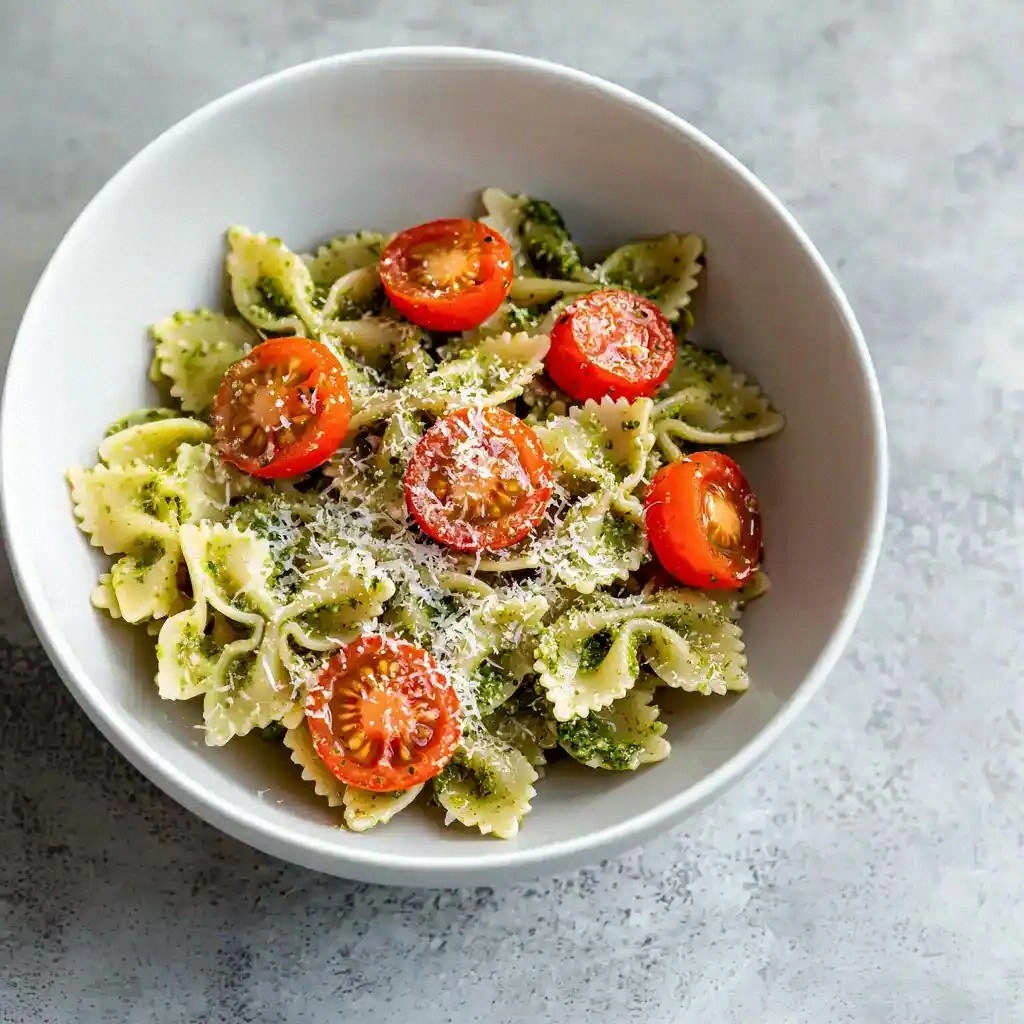
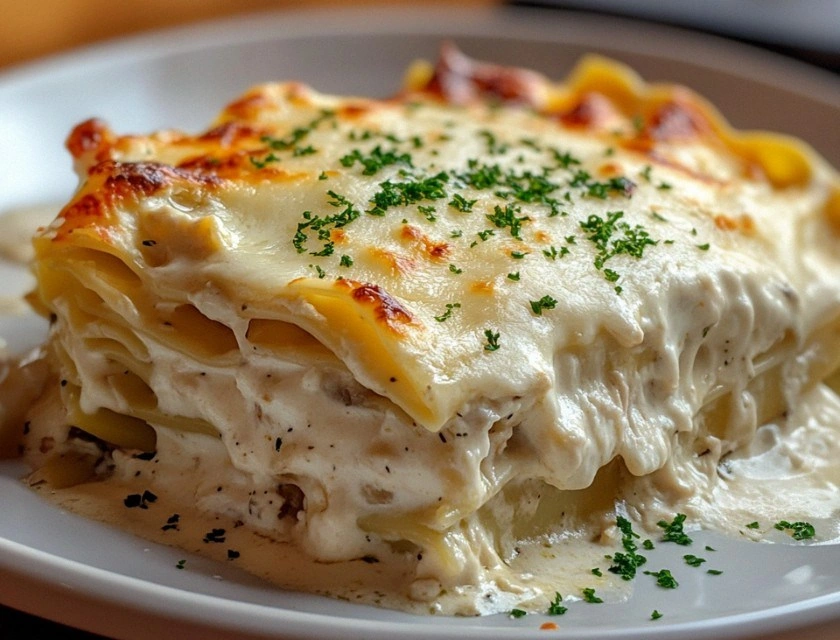
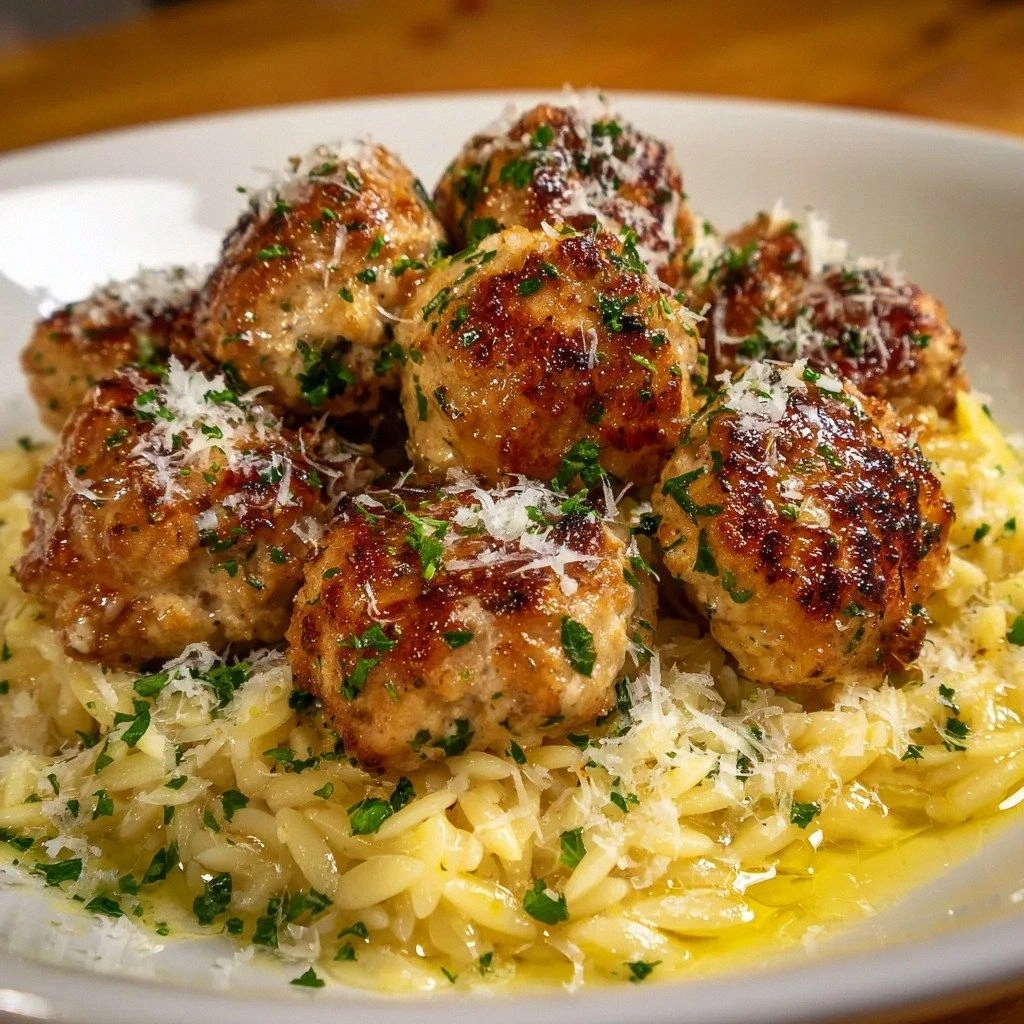
I was standing in my kitchen, surrounded by the chaos of a week’s worth of leftovers, when the idea hit me like a rogue tomato—why not turn that stale pasta into a steaming bowl of comfort that feels like a hug from an Italian grandma? The scent of garlic sizzling in olive oil already started to pull the whole house in, and the sound of the pot clanking against the stove was the soundtrack of a culinary rebellion. I could almost taste the tangy tomato, the earthy beans, and the subtle heat from the chili flakes dancing together, while the pasta swirls like a lazy river in a warm broth. If you’ve ever stared at a pot of dry pasta and wondered if it could be anything more, this is the moment that will change your perspective.
Picture this: a humble pot, a handful of beans, a splash of olive oil, and a medley of aromatics that transform ordinary noodles into a dish that feels like a passport to Naples without leaving your kitchen. The aroma rises, thick and comforting, as the tomatoes break down and mingle with the beans, creating a sauce that coats the pasta like velvet. The sound of the simmering broth is a gentle lullaby, the heat a steady pulse that promises warmth. And the first bite? A burst of umami, a whisper of herbs, and a subtle kick that lingers on your palate.
What makes this version stand out is that it doesn’t just imitate the classic Italian pasta fagioli; it elevates it by balancing the rustic charm with a few secret touches that most recipes miss. The beans are pre‑soaked for a silky texture, the tomato base is simmered low and slow to deepen flavor, and a dash of white wine adds a subtle acidity that cuts through the richness. I dare you to taste this and not go back for seconds. If you’re skeptical, I’ve got a confession: I ate half the batch before anyone else even got to try it.
Most recipes get this completely wrong by over‑cooking the pasta, using canned beans that are too watery, or neglecting the final flourish of fresh herbs. Here, we do everything right—starting with the right pasta shape that holds sauce, moving through a flavor base that sings, and finishing with a sprinkle of Parmesan that melts into a golden crust. Picture yourself pulling this out of the pot, the whole kitchen smelling incredible, and the first spoonful melting in your mouth like a dream. Let me walk you through every single step—by the end, you’ll wonder how you ever made it any other way.
What Makes This Version Stand Out
- Flavor Depth: The slow simmer of tomatoes and beans creates a sauce that feels like a slow‑cooked stew, not a quick pasta. Every spoonful is a burst of tomato, bean, and herb that lingers.
- Texture Balance: The beans are pre‑soaked and cooked to be tender yet slightly firm, while the pasta is al dente, giving each bite a satisfying bite.
- Ingredient Quality: We use a high‑quality extra‑virgin olive oil, fresh herbs, and a splash of aged white wine to elevate the dish from ordinary to extraordinary.
- Simple Prep: Despite its depth, the recipe requires no exotic tools—just a pot, a spoon, and a pinch of patience.
- Crowd‑Pleaser: This dish works for family dinners, potlucks, or a cozy night in. Friends always ask for the recipe after the first bite.
- Make‑Ahead Friendly: It tastes even better the next day, making it perfect for meal prep or busy weeknights.
- Versatility: Swap beans, pasta, or herbs and the dish adapts, making it a canvas for creativity.
Inside the Ingredient List
The Flavor Base
At the heart of this dish lies a trio of aromatics: finely diced onions, minced garlic, and a splash of white wine. The onions caramelize until they’re soft and translucent, releasing their natural sugars that create a subtle sweetness. Garlic adds a punchy bite that lingers, while the wine cuts through the richness of the beans, adding a bright, acidic note that balances the dish. Skipping any of these will leave the sauce flat and uninspired.
The Texture Crew
Beans and pasta are the pillars that give this dish its heart. We use cannellini beans, known for their creamy texture and mild flavor, which soak up the sauce beautifully. Penne pasta is chosen for its ridges that trap the sauce, ensuring every bite is flavorful. If you’re vegan, substitute the beans with chickpeas for a nuttier twist, or use gluten‑free pasta to keep it allergy‑friendly. Remember, over‑cooking the pasta will ruin its structure—aim for al dente.
The Unexpected Star
A pinch of red pepper flakes is the secret that adds a subtle heat without overpowering the dish. It’s a small ingredient that makes a big impact, turning a simple bowl of pasta into a dish that feels like a passport to Italy. If you prefer a milder version, simply omit the flakes or use a dash of smoked paprika for a different depth. This little tweak can be the difference between “good” and “great.”
The Final Flourish
Fresh parsley and grated Parmesan finish the dish, adding a burst of green freshness and a creamy, nutty finish. The parsley gives a bright, herbaceous note that cuts through the richness, while the Parmesan melts into a golden crust that’s impossible to resist. If you’re lactose‑intolerant, replace Parmesan with a nutritional yeast sprinkle for a cheesy flavor without the dairy.
Everything's prepped? Good. Let's get into the real action.
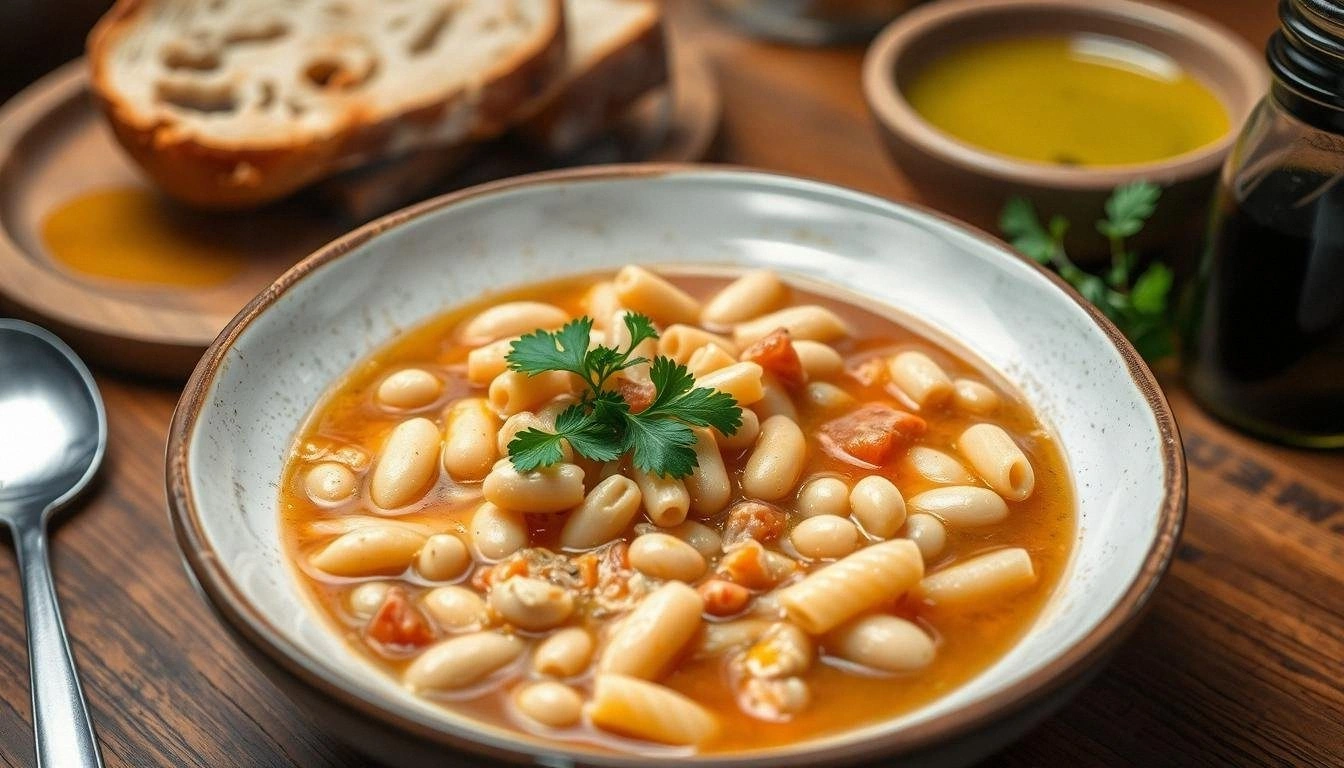
The Method — Step by Step
- Heat a large pot over medium heat and add the olive oil. Once the oil shimmers, toss in the diced onions and a pinch of salt. Let the onions soften, stirring occasionally, until they’re translucent and fragrant—about 5 minutes. This is the foundation; don’t skip it.
- Add the minced garlic to the pot and cook for 30 seconds until it’s aromatic. Watch the garlic closely—once it turns golden, it’s ready. This is the moment of truth, so keep the heat moderate to avoid burning.
- Pour in the splash of white wine, letting it deglaze the pot. The wine should reduce by half, leaving a slightly sweet, acidic base that will mingle with the tomatoes.
- Stir in the diced tomatoes and tomato sauce, then add the cannellini beans. The mixture should start to bubble gently; reduce the heat to low and let it simmer for 15 minutes, stirring occasionally.
- Add the vegetable broth, oregano, basil, and red pepper flakes. Stir well, bring back to a gentle simmer, and let the flavors marry for another 10 minutes. The broth should thicken slightly, creating a velvety sauce.
- Meanwhile, cook the pasta in a separate pot of salted boiling water until al dente. Drain, reserving a cup of pasta water for later.
- Fold the cooked pasta into the sauce, adding a splash of reserved pasta water if the sauce feels too thick. The pasta should be coated in the sauce, and the mixture should be glossy.
- Finish with a handful of fresh parsley and a generous grating of Parmesan. Toss everything together until the cheese melts into a golden crust. Taste and adjust salt or pepper as needed.
- Serve hot, ideally with a crusty baguette on the side to soak up the sauce. The dish should smell toasty, the pasta should feel firm, and the beans should be creamy.
- Enjoy immediately, or let it rest for 5 minutes before serving. The flavors will deepen, and the sauce will settle, creating a more harmonious bite.
That’s it— you did it. But hold on, I’ve got a few more tricks that’ll take this to another level.
Insider Tricks for Flawless Results
The Temperature Rule Nobody Follows
Keep the simmer low and steady. A rolling boil will break the beans and make the sauce watery. I’ve seen recipes that simmer too hot, resulting in a mushy texture. Keep the heat on medium‑low and let the flavors develop slowly.
Why Your Nose Knows Best
Smell the sauce as it cooks. If it starts to smell overly acidic or burnt, lower the heat. The aroma is a natural guide to the right flavor balance, and a quick sniff can prevent a ruined batch.
The 5-Minute Rest That Changes Everything
Let the dish sit for five minutes after cooking. This allows the pasta to absorb more sauce, and the flavors to meld. I’ve had friends skip this step and the result was a flat, under‑flavored dish.
Use Fresh Herbs, Not Dried
Fresh basil and parsley add brightness that dried herbs can’t match. Add them at the end of cooking to preserve their aroma and color. If you only have dried herbs, use them sparingly—half the amount of fresh.
Add a Splash of Cream for Richness
If you want a creamier version, stir in a tablespoon of heavy cream or a dollop of mascarpone at the end. It’ll add a silky texture without overpowering the tomato base.
Creative Twists and Variations
This recipe is a playground. Here are some of my favorite ways to switch things up:
Mediterranean Spin
Swap cannellini beans for chickpeas and add chopped Kalamata olives. The briny olives bring a Mediterranean flare that pairs beautifully with the tomato base.
Spicy Italian
Increase the red pepper flakes to a tablespoon and add a pinch of cayenne. The dish becomes a fiery adventure that still feels like comfort food.
Cheesy Delight
Incorporate a cup of shredded mozzarella during the final toss. The cheese melts into a gooey topping that makes the dish irresistible to kids.
Vegan Version
Use vegetable broth instead of chicken broth, skip the Parmesan, and add nutritional yeast. The dish remains hearty and flavorful while staying plant‑based.
Winter Warmth
Add a diced carrot and a teaspoon of cinnamon to the sauce. The subtle sweetness and warmth make this a perfect winter comfort dish.
Storing and Bringing It Back to Life
Fridge Storage
Cool the pasta fagioli completely before refrigerating. Store in an airtight container for up to 4 days. The flavors will deepen, and the pasta will hold its texture.
Freezer Friendly
Divide the dish into portioned containers and freeze for up to 2 months. Thaw overnight in the refrigerator, then reheat gently on the stovetop.
Best Reheating Method
Add a splash of water or broth before reheating to restore moisture. Heat over low heat, stirring until heated through. The sauce will become silky again.