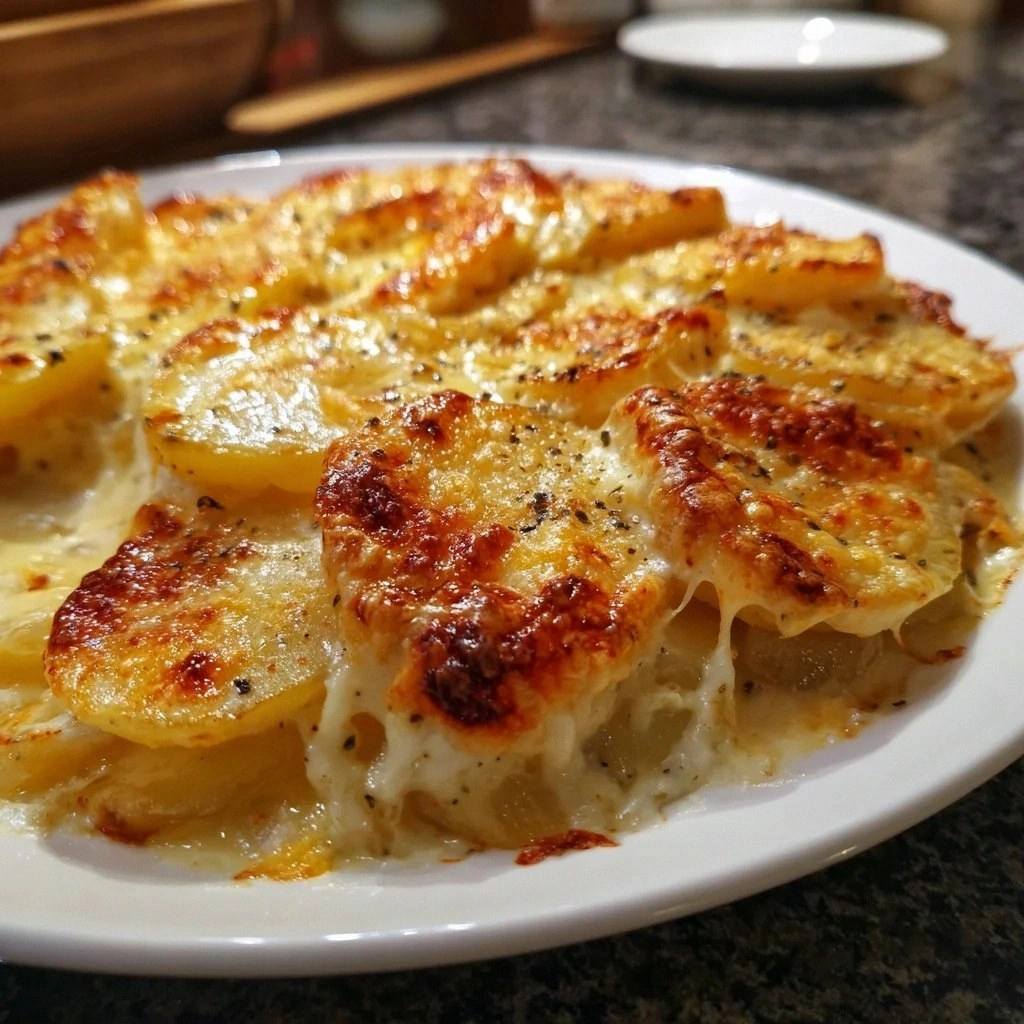
Picture this: you’re standing in a cramped kitchen, the stove humming, and the smell of burnt onions wafts from last night’s dinner. You’re craving something fresh, something that feels like a hug in a bowl, yet you’re terrified of another culinary disaster. I’ve been there—scratching my head over a fillet that turns out too dry, or a sauce that turns into a sticky mess. Then, on a whim, I tried a new baked cod recipe that turned my kitchen into a fragrant, comforting sanctuary. The moment the cod hit the oven, the aroma of lemon, garlic, and herbs filled the air, and the whole house smelled like a seaside breeze. If you’ve ever felt the anxiety of cooking fish, this is the antidote you’ve been waiting for.
I remember the first time I dared myself to bake cod with a breadcrumb crust. The fish was so tender that it practically melted in your mouth, while the crispy topping provided a satisfying crunch that made each bite feel like a mini celebration. The secret? A subtle blend of olive oil, fresh herbs, and a touch of Parmesan that lifts the flavor profile without overpowering the delicate fish. The result is a dish that is not only incredibly simple but also a crowd-pleaser that will have people begging for seconds. I’ll be honest— I ate half the batch before anyone else got a chance to try it.
Most recipes get this completely wrong. They either overcook the cod or forget the magic of a light, airy crust. This version uses a precise ratio of oil to breadcrumbs, a splash of lemon juice to brighten the flavor, and a sprinkle of herbs that add depth without drowning the fish. The technique of lightly brushing the fillets with oil before baking creates a golden, slightly crisp surface that keeps the moisture locked inside. And the best part? It’s hands down the best version you’ll ever make at home, because it balances simplicity with sophistication.
I dare you to taste this and not go back for seconds. Picture yourself pulling this out of the oven, the whole kitchen smelling incredible, and a plate of golden, buttery cod waiting for you. The edges will be crisp, the center moist, and the aroma will linger long after you’ve finished. If you’ve ever struggled with baking fish, you’re not alone—and I’ve got the fix. Stay with me here—this is worth it.
Now, let’s dive into the details that make this recipe truly stand out. I’ve broken it down into sections that will guide you from ingredient selection to plating, ensuring you hit every note of flavor and texture. The next part? Pure magic. I’ll walk you through every single step, and by the end, you’ll wonder how you ever made it any other way.
What Makes This Version Stand Out
- Taste: The subtle citrus lift from fresh lemon juice and the savory depth from a blend of herbs create a flavor profile that is bright, complex, and utterly satisfying. The lemon cuts through the natural richness of the cod, while the herbs add an aromatic backdrop that feels like a summer breeze.
- Texture: A light, airy breadcrumb coating provides a satisfying crunch, while the fish itself remains moist and flaky. The contrast between the crisp exterior and tender interior is a sensory delight that elevates the entire dish.
- Ease: No fancy equipment or time-consuming prep is required. The recipe is a one-pan wonder that keeps cleanup to a minimum and lets you focus on the cooking process.
- Ingredient Quality: Using high‑grade cod fillets and fresh herbs ensures that every bite is a testament to the ingredients’ natural flavors, not a masking of poor quality.
- Make‑ahead Potential: The assembled dish can be refrigerated for up to 24 hours before baking, making it an excellent option for meal prep or a last‑minute dinner.
- Versatility: The core technique can be adapted to other white fish or even shrimp, allowing you to experiment while staying within a proven framework.
Alright, let's break down exactly what goes into this masterpiece. The next section will give you a deep dive into each ingredient and its role in the dish.
Inside the Ingredient List
The Flavor Base
The foundation of this dish is a simple yet potent sauce of olive oil, lemon juice, and minced garlic. The olive oil acts as a carrier, allowing the flavors to spread evenly across the fillets, while the lemon juice adds a bright acidity that cuts through the fish’s natural richness. A few cloves of garlic, finely minced, bring a subtle heat that balances the citrus without overpowering it. Together, they create a harmonious base that elevates the cod’s delicate taste.
Skipping the garlic is possible but not recommended. Without it, the dish loses that aromatic depth that makes the cod feel alive. If you’re allergic to garlic or prefer a milder flavor, you can replace it with finely diced shallots for a slightly sweeter note. The key is to keep the sauce light so it doesn’t weigh down the fish.
When selecting olive oil, opt for a cold‑pressed extra virgin variety. Its robust flavor complements the lemon and garlic, and its natural antioxidants add a subtle health boost. A good rule of thumb is to use about two tablespoons per four servings, ensuring each fillet receives a generous coating that will crisp up beautifully in the oven.
The Texture Crew
A crisp, airy breadcrumb coating is the star of the show. Panko breadcrumbs are the gold standard because they’re light and airy, giving a perfect crunch without becoming soggy. To add depth, mix in a quarter cup of grated Parmesan, which adds a nutty flavor and helps bind the breadcrumbs to the fish. The breadcrumb mixture should be dry; if it’s too moist, the coating will collapse during baking.
If you’re craving a different texture, consider using crushed cornflakes or toasted rice flakes. These alternatives provide a unique crunch and a slightly sweet undertone that pairs wonderfully with the citrusy sauce. Regardless of the choice, the coating should be light enough to allow the fish’s natural moisture to shine through.
A quick tip: before baking, lightly brush the fillets with a thin layer of olive oil. This step prevents the breadcrumbs from sticking to the pan and promotes even browning. The oil also creates a protective barrier that keeps the fish from drying out.
The Unexpected Star
Fresh herbs are the unsung hero that turns a simple baked cod into an unforgettable meal. A mix of fresh parsley, oregano, thyme, and dill adds layers of flavor that dance on the tongue. Each herb brings its own character: parsley offers a bright, grassy note; oregano adds earthiness; thyme provides subtle floral undertones; and dill gives a hint of sweetness that complements the lemon.
If you’re in a pinch, dried herbs can work in a pinch, but use them sparingly—about one-third the amount of fresh herbs—since they’re more concentrated. Fresh herbs, however, bring a vibrant aroma and a fresher taste that can’t be replicated with dried alternatives. A pinch of paprika adds a gentle warmth that ties everything together.
When chopping herbs, aim for uniform pieces to ensure even distribution across the fillets. A finely chopped herb mixture will melt into the coating, creating a subtle burst of flavor with every bite. The herbs also add a splash of color that makes the dish visually appealing.
The Final Flourish
A final touch of melted butter is essential to achieve that glossy, golden finish. Butter not only adds richness but also helps the breadcrumb coating brown to a perfect, crispy state. A tablespoon per fillet is enough to coat the surface lightly without making the dish overly greasy.
When melting the butter, keep it at a low temperature to prevent it from burning. You can add a squeeze of lemon juice to the melted butter to enhance the citrus profile. This buttery glaze will cling to the fillets, giving them a velvety sheen that looks as good as it tastes.
If you prefer a lighter version, substitute half of the butter with olive oil. This tweak reduces the calorie count while still providing a pleasant mouthfeel. Regardless of your choice, the final flourish is what turns the dish from ordinary to extraordinary.
Everything's prepped? Good. Let's get into the real action. The following steps will guide you from assembling to plating, ensuring you capture every nuance of flavor and texture.
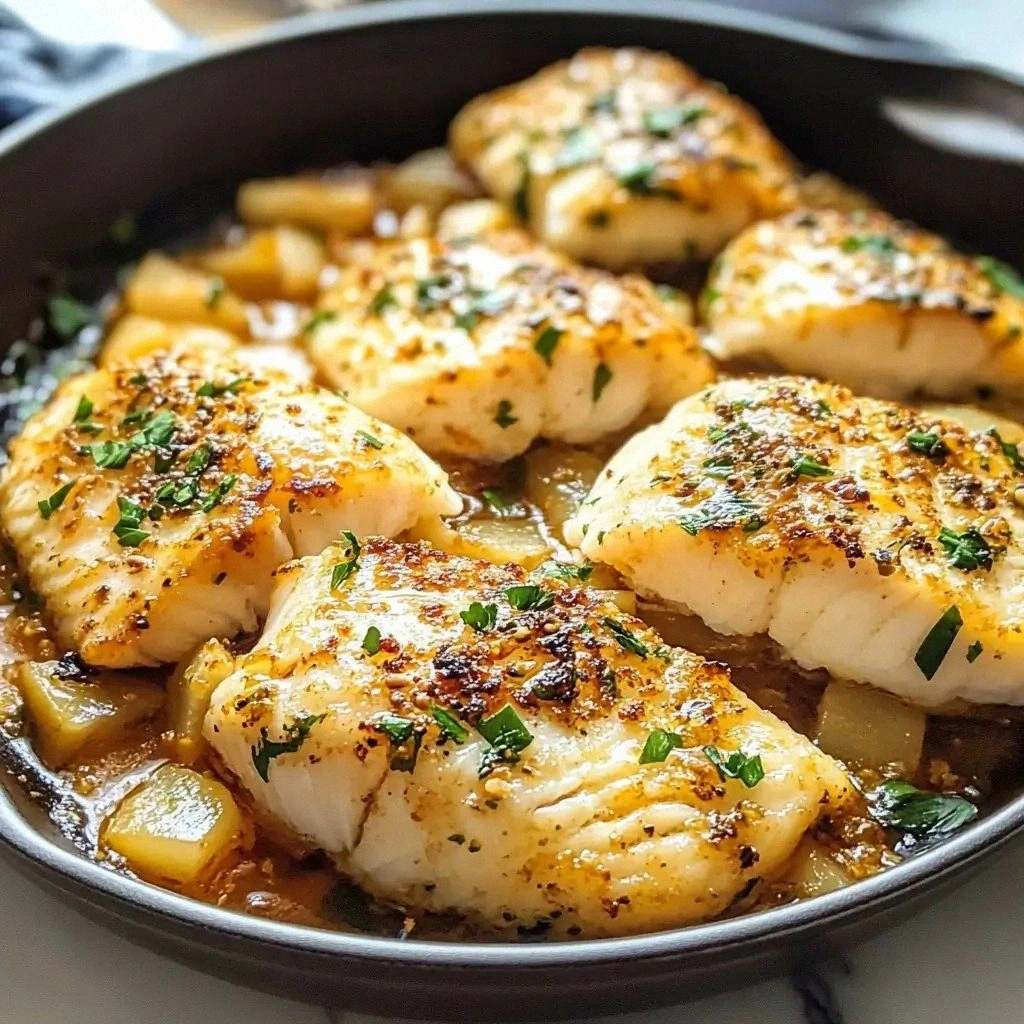
The Method — Step by Step
- Preheat the oven to 400°F (200°C). This temperature ensures a crisp breadcrumb coating while keeping the cod moist inside. The oven should be fully heated before you begin to avoid uneven cooking. A properly preheated oven is the first step toward a flawless finish.
- Prepare the breadcrumb mixture. In a shallow bowl, combine one cup of panko breadcrumbs, one-quarter cup grated Parmesan, one teaspoon dried oregano, one teaspoon dried thyme, half a teaspoon paprika, and half a teaspoon dried dill. Stir until well mixed. The dry mix will coat the fillets evenly and prevent sogginess.
- Season the cod fillets. Pat each fillet dry with paper towels to remove excess moisture. Lightly brush both sides with olive oil, then sprinkle salt and pepper to taste. The oil helps the breadcrumb coating adhere, while the seasoning enhances the natural flavor of the fish. This step is crucial for a golden crust.
- Coat the fillets with breadcrumbs. Dip each seasoned fillet into the breadcrumb mixture, pressing lightly to ensure the crumbs adhere. Shake off any excess crumbs. This creates a crisp, golden shell that locks in moisture and adds texture. The coating should feel slightly tacky but not wet.
- Arrange fillets on a baking sheet. Line the sheet with parchment paper or a silicone mat. Place each coated fillet on the sheet, leaving space between them to allow even heat circulation. The parchment prevents sticking and simplifies cleanup.
- Bake the cod. Place the sheet in the preheated oven and bake for 12–15 minutes, or until the fish flakes easily with a fork and the breadcrumb coating turns a deep golden brown. The internal temperature should reach 145°F (63°C). Keep an eye on the crust; if it browns too quickly, lower the temperature slightly.
- Prepare the lemon butter glaze. While the cod is baking, melt two tablespoons of butter in a small saucepan over low heat. Add two tablespoons of fresh lemon juice and a pinch of salt. Stir until well combined, creating a glossy, aromatic glaze. This glaze will be drizzled over the finished fillets for added richness.
- Finish with fresh herbs. Remove the cod from the oven and immediately sprinkle finely chopped fresh parsley, oregano, thyme, and dill over the top. The heat will release the herbs’ essential oils, creating an aromatic finish that enhances the citrusy undertones.
- Serve immediately. Drizzle the lemon butter glaze over the fillets and serve hot, accompanied by your choice of sides. The dish pairs wonderfully with roasted vegetables, a light salad, or a simple rice pilaf. The key is to enjoy it while it’s still warm and fragrant.
That’s it— you did it. But hold on, I've got a few more tricks that'll take this to another level. The following insider tips will help you avoid common pitfalls and elevate the dish further.
Insider Tricks for Flawless Results
The Temperature Rule Nobody Follows
Many chefs think a higher oven temperature is always better for crispiness, but that’s not the case. Baking at 400°F (200°C) strikes the perfect balance, allowing the breadcrumbs to brown without overcooking the fish. If you’re using a convection oven, reduce the temperature by 25°F (14°C) to avoid burning the coating. A consistent temperature ensures even cooking and a uniform golden crust.
Why Your Nose Knows Best
The aroma of lemon and herbs is a subtle cue that the cod is nearing perfection. If you notice a strong buttery scent with a hint of citrus, the fish is almost ready. Trusting your senses is key; the fish should feel firm yet slightly springy, and the coating should look golden and slightly crisp.
The 5-Minute Rest That Changes Everything
Once the cod is out of the oven, let it rest for five minutes. This short pause allows the juices to redistribute, ensuring the fish remains moist. A resting period also helps the breadcrumb coating set, preventing it from becoming soggy when you cut into it. The five minutes are worth the extra flavor and texture.
Don’t Skimp on the Butter
Butter is the secret weapon that gives the dish its luxurious finish. Skipping it may save a few calories, but you’ll miss out on the glossy sheen and rich mouthfeel. If you’re watching your fat intake, use a light hand—half the amount—but keep the butter to at least one tablespoon per fillet.
Use Fresh Herbs, Not Dried
Fresh herbs bring a brightness that dried cannot match. The essential oils in fresh herbs release when heated, adding a vibrant flavor profile. If you’re short on fresh herbs, use dried herbs sparingly—about one-third the amount—and add a splash of fresh lemon juice to brighten the dish.
Serve with a Simple Side
Pairing the cod with a light side keeps the meal balanced. Roasted asparagus, a quinoa salad, or a simple lemon‑butter sauce on the side will complement the fish without overpowering it. The goal is to let the cod shine while the side adds a complementary texture and flavor.
Creative Twists and Variations
This recipe is a playground. Here are some of my favorite ways to switch things up:
Mediterranean Magic
Swap the oregano and thyme for a blend of oregano, basil, and a pinch of crushed red pepper for a Mediterranean flair. Add sun‑dried tomatoes to the breadcrumb mix for a sweet, umami kick. This variation is perfect for a summer gathering.
Asian Fusion
Replace the lemon with lime and add a splash of soy sauce to the breadcrumb mixture. Toss in a sprinkle of toasted sesame seeds and a pinch of ginger powder. The result is a bright, tangy dish with a subtle umami depth.
Crispy Coconut Crunch
Coat the fillets in a mixture of shredded coconut and crushed cornflakes before baking. Finish with a drizzle of honey‑soy glaze for a sweet and savory finish. The coconut adds a tropical vibe that pairs wonderfully with a pineapple salsa.
Cheesy Delight
Add shredded mozzarella or cheddar to the breadcrumb mix for a melty, gooey coating. The cheese melts into the fish, creating a rich, savory layer that’s hard to resist. Serve with a side of garlic bread for the ultimate comfort meal.
Herb‑Infused Butter
Melt butter with finely chopped rosemary, thyme, and a touch of garlic. Brush this herb butter over the cod before baking to infuse the fish with aromatic flavors. The result is a fragrant, herb‑rich dish that feels like a gourmet experience.
Spicy Kick
Add a tablespoon of sriracha or a pinch of cayenne pepper to the breadcrumb mixture. The heat will contrast beautifully with the mild cod, creating a dish that satisfies both the palate and the senses. Pair with a cooling yogurt dip to balance the spice.
Storing and Bringing It Back to Life
Fridge Storage
Store leftover baked cod in an airtight container in the refrigerator for up to 24 hours. Keep the coating separate if possible to maintain crispness. When you’re ready to reheat, place the cod on a parchment‑lined sheet and warm in a preheated 350°F (175°C) oven for 5–7 minutes. This method preserves the texture and flavor better than microwave reheating.
Freezer Friendly
For longer storage, wrap each fillet tightly in plastic wrap and then in aluminum foil before freezing. This double‑layer protects against freezer burn and preserves the fish’s delicate texture. When you’re ready to enjoy, thaw in the refrigerator overnight and reheat as described above.
Best Reheating Method
Reheat the cod in a skillet over medium heat with a splash of water or broth to create steam. This technique keeps the fish moist and restores the breadcrumb’s crispness. A quick flip at the end of the heating process ensures an even finish. The key is gentle, steady heat that avoids drying out the fish.