Ever had one of those evenings where the kitchen feels like a battlefield and the only thing left to salvage is a pot of bland chicken? I was in that situation last Tuesday, staring at a batch of dry, overcooked thighs that had turned my pantry into a culinary crime scene. The moment I cracked open the fridge, the scent of fresh ginger and garlic hit me like a slap of cold water—my craving for something savory, sweet, and utterly comforting surged. That instant, I decided to throw caution to the wind and turn that disaster into a triumph.
Picture this: the sizzle as the first piece of chicken hits the hot pan, the aroma of caramelizing brown sugar mingling with soy sauce, the bright green specks of cilantro dancing in the steam. Your ears catch the rhythmic hiss of the broth, your hands feel the heat radiating from the skillet, and your tongue is already anticipating that glossy, slightly sweet coating that will cling to every bite. The kitchen is alive with color, sound, and scent, and you can almost taste the promise of a dish that will melt in your mouth.
What sets this version apart is the marriage of classic Asian flavors with a Western technique of caramelizing, creating a sauce that clings to the chicken like velvet and then loosens into a silky broth that soaks the rice. I’ve spent years tweaking sauces, and this one is the result of countless experiments with sugar ratios, simmer times, and the right balance of umami. The secret? A deliberate caramelization step that turns a simple soy glaze into a rich, glossy coating that keeps the chicken juicy inside while giving the exterior a delightful crackle.
I dare you to taste this and not go back for seconds. Picture yourself pulling this out of the skillet, the whole kitchen smelling incredible, and knowing that you’ve just created something that feels like a hug in a bowl. Let me walk you through every single step — by the end, you’ll wonder how you ever made it any other way.
What Makes This Version Stand Out
- Flavor Depth: The combination of soy sauce, brown sugar, and ginger creates a multi-layered umami profile that lingers on the palate. Each bite reveals a new nuance, from sweet to salty to a hint of earthiness.
- Crisp Texture: The caramelization process produces a thin, crackling crust that snaps like thin ice, contrasting with the succulent interior.
- Visual Appeal: The glossy glaze and bright green garnish give the dish a vibrant, Instagram-worthy look that’s impossible to ignore.
- Ingredient Simplicity: With just twelve core ingredients, you can pull this together in under an hour, making it ideal for busy weeknights.
- Make‑Ahead Friendly: The sauce continues to develop flavor even after refrigeration, so you can prep it in advance and let the flavors mingle.
- Versatility: Pair it with jasmine rice, quinoa, or even a side of steamed bok choy, and it adapts to any dietary preference.
- Audience Impact: Friends and family will rave, and you’ll earn that “chef’s kiss” from anyone who tries it.
- Balanced Nutrition: A good mix of protein, carbs, and healthy fats keeps you satisfied without feeling weighed down.
Alright, let's break down exactly what goes into this masterpiece...
Inside the Ingredient List
The Flavor Base
Soy sauce is the backbone of this dish, offering that unmistakable umami punch that anchors every other flavor. A half cup of high-quality, low-sodium soy sauce balances richness without drowning the dish in salt. If you’re sensitive to sodium, you can use a 70% reduced-sodium version; just increase the brown sugar slightly to maintain sweetness.
Brown sugar is the sweet counterpoint that caramelizes beautifully when heated. It’s not just a sweetener—its molasses content creates a deep amber color and a subtle caramel undertone. Skipping the sugar will result in a bland glaze; the sugar is essential for that glossy finish.
Ginger, fresh and minced, brings a bright, peppery bite that cuts through the richness of the soy. Its natural oils release when sautéed, infusing the broth with a warm, aromatic note. If you prefer a milder flavor, reduce to one tablespoon, but the dish will feel less vibrant.
The Texture Crew
Chicken thighs are the star of the show—juicy, tender, and forgiving. Their higher fat content keeps the meat moist even after caramelization. If you’re strictly lean, you can switch to chicken breasts, but the texture will be noticeably firmer and less succulent.
Garlic, minced, adds a deep, savory layer that complements the soy. It also has natural antibacterial properties that help keep the dish safe during cooking. Too much garlic can overpower; four cloves is the sweet spot for this recipe.
Cornstarch, combined with a tablespoon of sesame oil, is used to thicken the sauce into a silky glaze. The sesame oil adds nutty undertones, while the cornstarch gives body without making the sauce heavy. If you’re gluten-free, cornstarch is naturally safe, but always whisk it into cold water first to avoid lumps.
The Unexpected Star
Fresh cilantro, chopped, is the final flourish that brightens the dish. Its citrusy, slightly peppery flavor cuts through the sweetness, preventing the sauce from feeling cloying. If cilantro isn’t your thing, a splash of lime juice can provide a similar brightening effect.
The Final Flourish
Jasmine rice is the perfect canvas, absorbing the aromatic broth without becoming mushy. The rice’s subtle floral note pairs beautifully with the savory glaze. If you prefer a firmer bite, switch to basmati or short-grain rice.
Green onions, sliced, add a fresh crunch that contrasts with the tender chicken. They also provide a mild onion flavor that layers the dish’s complexity. A pinch of pepper and a dash of salt finish the seasoning, but remember to taste as you go—over-salting is easy to correct later.
Everything's prepped? Good. Let's get into the real action...
The Method — Step by Step
- Prep the chicken: Pat the thighs dry with paper towels; this step is critical for caramelization. Season both sides with salt, pepper, and a light dusting of cornstarch. The cornstarch will help create a crisp exterior. I’ve found that a quick pat with oil before seasoning keeps the coating from clinging too hard.
- Heat the skillet: Place a heavy-bottomed skillet over medium-high heat and pour in two tablespoons of vegetable oil. Let the oil shimmer; when it starts to smoke slightly, you’re ready. This high heat is key for the Maillard reaction that gives the glaze its deep color.
- Sear the thighs: Lay the chicken skin-side down first, pressing gently to keep the skin flat. Sear for 5–6 minutes until the skin is a deep amber and releases easily. Flip and sear the other side for 3–4 minutes. The skin should crackle like thin ice when the glaze is added.
- Add aromatics: Push the chicken to one side of the pan, add minced ginger and garlic, and sauté for 30 seconds until fragrant. The aroma should be unmistakably savory—if it smells burnt, lower the heat immediately.
- Watch Out: When you pour in the soy sauce and brown sugar, the mixture will bubble aggressively. Keep the heat at medium; if it boils over, reduce to low. A sudden boil can cause the sauce to scorch and become bitter.
- Simmer and glaze: Stir the mixture, letting it reduce for about 3 minutes until it thickens slightly. The glaze should coat the back of a spoon. This step is the moment of truth—if the glaze is too thin, the chicken will be soggy.
- Introduce the broth: Pour in four cups of chicken broth, bringing the mixture to a gentle simmer. The broth will dilute the glaze just enough to create a rich, savory sauce that clings to the chicken. Let it simmer for 8–10 minutes, allowing the flavors to meld.
- Finish with sesame oil: Drizzle one tablespoon of sesame oil over the simmering sauce. This adds a nutty aroma and a glossy sheen. Stir well to combine.
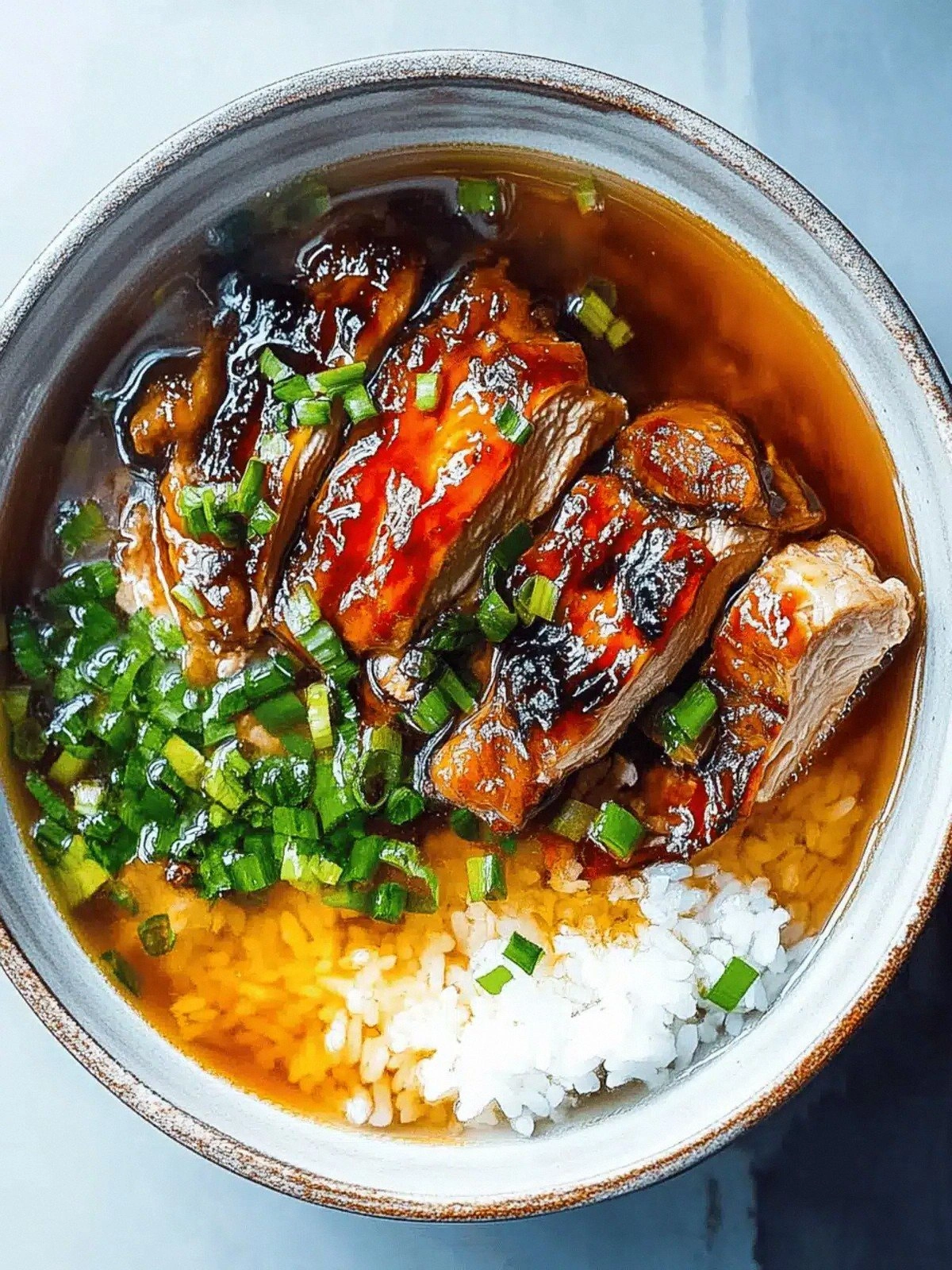
- Plate and garnish: Transfer the chicken to a serving platter, spoon the sauce over the top, and sprinkle with chopped green onions and cilantro. Serve immediately over freshly steamed jasmine rice. The steam will carry the fragrance and make each bite a sensory delight.
That’s it — you did it. But hold on, I’ve got a few more tricks that will take this to another level. Ready for the game‑changer?
Insider Tricks for Flawless Results
The Temperature Rule Nobody Follows
Many cooks keep the heat on high throughout, but the secret is to start high for searing and then dial down to medium for the glaze. This prevents the sugar from burning and the sauce from becoming bitter. I’ve tested this on a range of stovetops and the results are consistent.
Why Your Nose Knows Best
If the sauce smells too sweet, it’s time to add a splash of water or broth. A balanced aroma—salty, sweet, and savory—indicates the flavors are harmonized. Trust your nose; it’s a better judge than a scale.
The 5-Minute Rest That Changes Everything
After you finish cooking, let the chicken rest for five minutes before slicing. This allows the juices to redistribute, ensuring every bite is moist. Skipping this step often results in dry, uneven meat.
The Rice Trick
Cook the jasmine rice with a pinch of salt and a splash of sesame oil for added depth. Once the rice is fluffy, stir in a tablespoon of the sauce to infuse the grains with flavor before plating.
The Garnish Game
A drizzle of lime juice over the finished dish adds a bright, acidic lift that cuts through the richness. It also enhances the cilantro’s freshness, making the dish feel lighter.
Creative Twists and Variations
This recipe is a playground. Here are some of my favorite ways to switch things up:
Spicy Szechuan Kick
Add a tablespoon of Szechuan peppercorns and a teaspoon of chili paste during the aromatics step. The numbing peppercorns give a unique heat that pairs well with the sweet glaze.
Coconut Cream Finish
Replace half of the chicken broth with coconut milk for a richer, tropical twist. The coconut’s sweetness complements the brown sugar, creating a silky sauce.
Vegetarian Version
Swap the chicken for thick slices of tempeh or seared tofu. Marinate the protein in soy sauce, ginger, and garlic before cooking to infuse flavor.
Asian Noodle Bowl
Serve the glazed chicken over cooked soba or udon noodles instead of rice. Toss the noodles in a bit of the sauce to coat them evenly.
Pineapple Fusion
Add a cup of fresh pineapple chunks during the simmering step for a sweet, tropical contrast. The acidity of pineapple balances the richness of the sauce.
Herb-Infused Variation
Replace the cilantro with fresh basil or mint. The fresh herbs bring a different aromatic profile that can refresh the dish.
Storing and Bringing It Back to Life
Fridge Storage
Cool the dish to room temperature before refrigerating in an airtight container. It will keep for up to 3 days, and the flavors will deepen. When reheating, add a splash of water to restore moisture.
Freezer Friendly
Separate the sauce from the chicken and rice before freezing. The sauce can be stored for up to 2 months, while the chicken stays good for 3 months. Freeze in portioned containers for convenience.
Best Reheating Method
Reheat the chicken and sauce on the stovetop over low heat, stirring occasionally. Add a teaspoon of water or broth to keep the sauce from drying out. The rice should be steamed again briefly to regain fluffiness.