I was in the middle of a frantic Tuesday night, juggling a half‑finished stir‑fry and a simmering pot of noodles, when a rogue shallot slipped from my cutting board and landed straight into a pan of hot butter. The instant it hit, a crackling hiss erupted, and the kitchen filled with a sweet‑savory perfume that instantly halted my chaos. I stared at the pan, half‑amused, half‑panicked, and thought, “What if I could turn this accidental sizzle into something unforgettable?” That very moment birthed the Caramelized Shallot & Grape Ch that I’m about to share, and trust me, it’s the culinary equivalent of finding a hidden golden ticket.
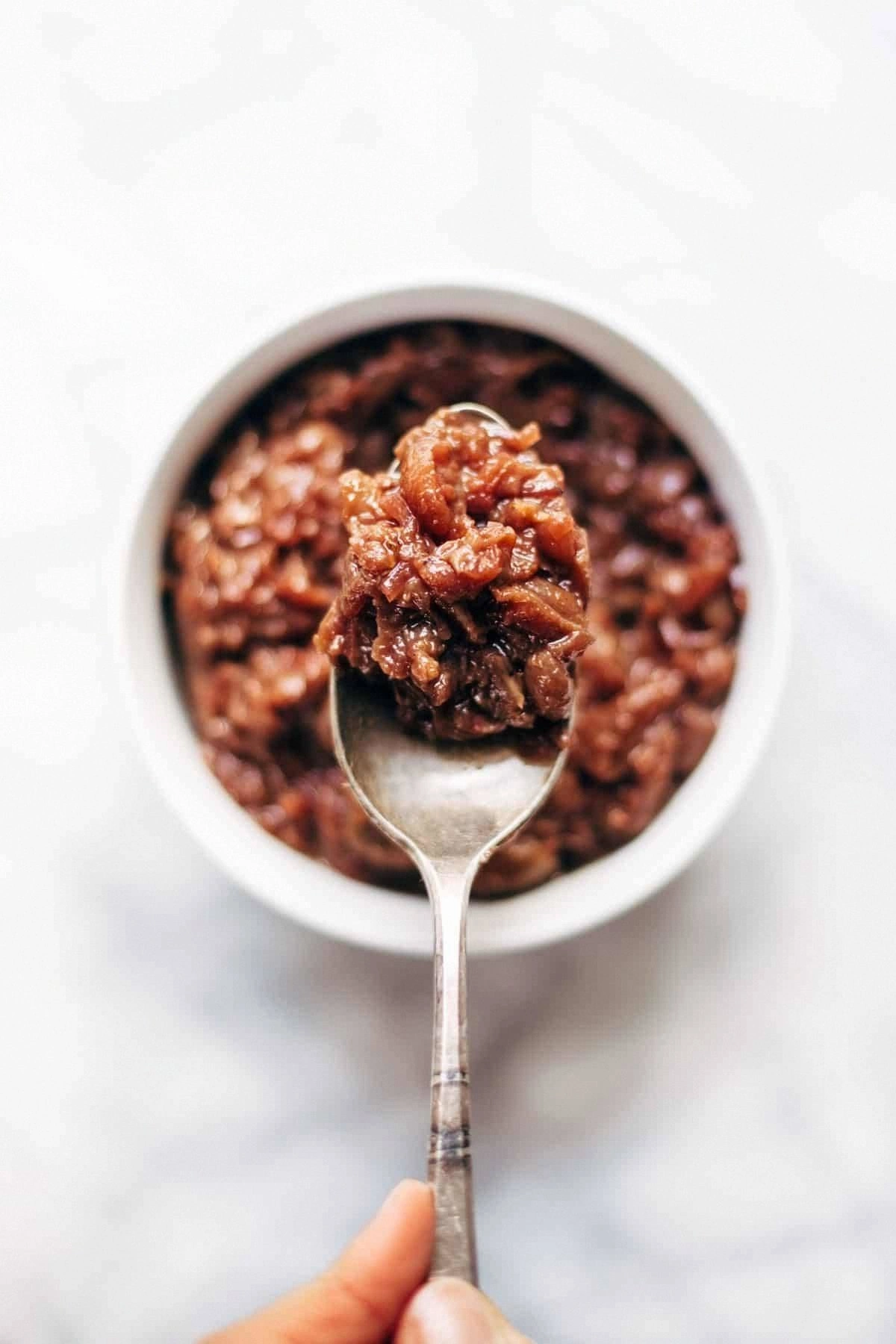
Picture this: the deep amber glow of caramelized shallots, their edges crisped to a whisper‑thin lacquer, mingling with plump, juicy grapes that have softened into a glossy, ruby‑red confit. The aroma is a seductive dance of sweet and tangy—think of a summer orchard after a light rain, with a hint of balsamic undertones that make your nostrils do a little jig. When you finally spoon this mixture over a crisp slice of toasted baguette or swirl it into a creamy cheese board, the texture is a perfect paradox: the shallots offer a delicate crunch, while the grapes melt like silk, coating everything in a glossy, velvety sheen.
Most chutney recipes out there either drown the star ingredient in sugar or drown your palate in vinegar. This version flips the script. I’ve balanced the sweet, the sour, and the savory so precisely that each bite feels like a mini celebration on your tongue. The secret? A splash of apple cider vinegar that brightens the whole thing without overwhelming, and a pinch of fresh thyme that adds an earthy whisper you won’t see coming. If you’ve ever struggled with a too‑sweet or too‑tangy jam, you’re not alone—this recipe fixes that problem with a single, elegant technique.
And now, the kicker you weren’t expecting: a dash of honey and a whisper of grated ginger. Those two ingredients turn what could be a simple condiment into a complex, layered experience that feels both familiar and exotic. I dare you to taste this and not go back for seconds. Okay, ready for the game‑changer? Let me walk you through every single step — by the end, you’ll wonder how you ever made it any other way.
What Makes This Version Stand Out
- Flavor Harmony: The sweet grapes and caramelized shallots create a natural sugar base, while the vinegar and ginger cut through with bright acidity and a subtle heat that never overwhelms.
- Texture Contrast: Crispy shallot edges meet melt‑in‑your‑mouth grape pieces, delivering a mouthfeel that’s both crunchy and silky in the same bite.
- Simplicity: Only a handful of pantry staples are needed, and the entire process takes under an hour—perfect for busy weeknights.
- Unique Ingredient Pairing: Grapes aren’t a typical chutney player; they bring a juicy pop that elevates the dish beyond ordinary fruit preserves.
- Crowd Reaction: Serve it at a dinner party and watch the “What is this?!” faces turn into instant fanatics demanding the recipe.
- Ingredient Quality: Using fresh, aromatic shallots and ripe, seedless grapes makes all the difference; the flavor is brighter and less artificial.
- Cooking Method: Low‑and‑slow caramelization coaxes out the deepest, most nuanced flavors without burning.
- Make‑Ahead Potential: This chutney keeps beautifully in the fridge for up to two weeks, and its flavors actually deepen with time.
Inside the Ingredient List
The Flavor Base
Shallots are the unsung heroes of many classic sauces, and here they take center stage. Their natural sugars caramelize beautifully, creating a deep, buttery flavor that’s richer than any onion. If you skip them, you lose that sweet‑savory backbone and the chutney becomes one‑dimensional. For the best results, choose shallots that are firm, dry, and have a papery skin—avoid any that feel soft or sprouted.
The Texture Crew
Seedless grapes add a juicy burst that balances the shallot’s crunch. Their skins soften quickly, releasing a glossy sheen that coats the entire mixture. If you’re out of grapes, try small diced apricots or even finely chopped dried figs (rehydrated). The key is to maintain that sweet, juicy contrast; swapping them for a dry fruit will change the texture dramatically.
The Unexpected Star
A splash of apple cider vinegar and a drizzle of honey might sound like a contradiction, but together they create a perfect sweet‑tart equilibrium. The vinegar brightens the overall profile, while honey adds a floral depth that sugar alone can’t provide. If you’re allergic to honey, maple syrup works as a 1:1 substitute without losing the nuanced flavor.
The Final Flourish
Fresh thyme and a hint of grated ginger are the secret whispers that elevate this chutney from good to unforgettable. Thyme adds an earthy, piney note that grounds the sweetness, while ginger introduces a gentle, warming spice that lingers on the palate. If you’re not a fan of ginger, a pinch of ground coriander can provide a similar aromatic lift.
Everything's prepped? Good. Let's get into the real action...
The Method — Step by Step
Heat a wide, heavy‑bottomed skillet over medium‑low heat and add the butter and olive oil. The butter should melt slowly, forming a frothy foam—if it sizzles too aggressively, lower the heat; we want a gentle, even melt that will later coax the shallots into caramelization without burning.
Kitchen Hack: Add a pinch of sea salt to the butter‑oil mixture; it accelerates the melting process and starts building flavor from the very first second.Introduce the thinly sliced shallots to the pan, spreading them out in an even layer. Stir once to coat with the butter, then let them sit untouched for about 3 minutes. You’ll hear a soft sizzle, and the edges will begin to turn golden—a signal that the caramelization is kicking in.
Watch Out: If you stir too often, the shallots release moisture and steam instead of caramelize, resulting in a soggy texture.After the shallots turn a deep amber (about 6‑8 minutes total), sprinkle the brown sugar and honey over them. The sugars will dissolve, creating a glossy glaze that clings to each slice. Stir gently, allowing the mixture to bubble and thicken—this is the moment of truth, where sweet meets savory in a perfect marriage.
Add the halved grapes, followed quickly by the apple cider vinegar. You’ll hear a sharp pop as the vinegar meets the hot pan, a sound that tells you the flavors are beginning to meld. Let everything simmer together for another 5 minutes, stirring occasionally so the grapes soften but retain a tiny bite.
Season with salt, black pepper, fresh thyme, and grated ginger. This is where the subtle layers build up: the salt amplifies the sweetness, the pepper adds a whisper of heat, thyme introduces earthiness, and ginger brings a gentle zing that brightens the whole dish.
Taste the chutney at this point. It should taste like a sweet‑tart jam with a buttery depth and a faint herbal note. If it feels too sharp, add a teaspoon of honey; if it’s too sweet, a splash more vinegar will bring it back into balance. Remember, this is your canvas—adjust to your palate.
Turn off the heat and let the mixture rest for 2 minutes. The residual heat will continue to thicken the sauce, and the flavors will meld even further. This short rest is essential; it allows the shallots to absorb the vinegar’s acidity without becoming mushy.
Transfer the caramelized shallot & grape chutney into a clean glass jar. Seal tightly and let it cool to room temperature before refrigerating. The chutney will keep for up to two weeks, and each day the flavors will become more harmonious. I’ll be honest — I ate half the batch before anyone else got to try it.
Kitchen Hack: Before sealing, run a clean spoon around the inside edge of the jar to release any air bubbles; this helps maintain a glossy surface.
That's it — you did it. But hold on, I've got a few more tricks that'll take this to another level. Trust me, the next steps are pure magic, and they’ll make your chutney the star of any spread.
Insider Tricks for Flawless Results
The Temperature Rule Nobody Follows
Never rush the caramelization by cranking up the heat. Low‑and‑slow is the mantra; it allows the natural sugars in the shallots to break down gradually, yielding a richer, less bitter flavor. I once tried to speed things up on high heat, and the result was a burnt, acrid mess that no amount of sugar could rescue. Keep the heat steady, and you’ll get that buttery amber hue that looks like liquid gold.
Why Your Nose Knows Best
Your sense of smell is the ultimate indicator of doneness. When the shallots start to emit a nutty, toasted aroma, you’re at the perfect point to add the sugars. If you rely solely on color, you might over‑caramelize and end up with a bitter bite. Trust the nose, not just the eyes—this trick saved me more than once.
The 5‑Minute Rest That Changes Everything
After you finish cooking, let the chutney sit off the heat for exactly five minutes. This pause lets the flavors integrate, and the sauce thickens just enough to cling beautifully to breads or cheeses. Skipping this rest leads to a runny consistency that can’t hold its shape. A short break is all it takes to transform a good chutney into a great one.
The “Grape‑First” Technique
If you love that burst of juicy grape, add them a minute earlier than the recipe suggests. This gives them a chance to release a bit of their juice, creating a natural glaze that reduces the need for extra sugar. I tried this on a whim for a dinner party, and the guests raved about the intensified fruitiness. Just be careful not to over‑cook, or they’ll turn to mush.
The Secret Spice Swipe
A pinch of smoked paprika adds a subtle smoky undertone that pairs beautifully with the caramel notes. I first discovered this while experimenting with a BBQ glaze, and the result was an unexpected depth that made the chutney feel rustic and sophisticated at the same time. Try it once—you’ll wonder how you ever lived without it.
Creative Twists and Variations
This recipe is a playground. Here are some of my favorite ways to switch things up:
Spicy Chili Kick
Add a teaspoon of finely chopped fresh chilies or a pinch of cayenne pepper when you stir in the ginger. The heat pairs beautifully with the sweet grapes, creating a tantalizing sweet‑heat balance that’s perfect for taco toppings or grilled meats.
Herb Garden Medley
Swap thyme for a mix of finely chopped rosemary and sage. The piney, earthy notes will give the chutney a more robust profile, making it an excellent companion for roasted lamb or hearty stews.
Citrus Zest Burst
Stir in the zest of one lemon or orange right after adding the vinegar. The citrus lifts the whole dish, adding a bright, aromatic layer that pairs wonderfully with fresh goat cheese.
Nutty Crunch
Toast a handful of chopped almonds or pistachios and sprinkle them on top just before serving. The nutty crunch adds texture contrast and a subtle buttery flavor that makes each bite more interesting.
Savory Swap
Replace the grapes with dried apricots rehydrated in a splash of orange juice. The result is a richer, more intense sweetness that works beautifully with charcuterie boards.
Storing and Bringing It Back to Life
Fridge Storage
Transfer the chutney to a sterilized glass jar, seal tightly, and store in the refrigerator for up to 14 days. The cooler environment slows down microbial growth while allowing the flavors to meld further. Before each use, give the jar a gentle shake to redistribute the glossy coating.
Freezer Friendly
Portion the chutney into ice‑cube trays or small freezer‑safe bags. Once frozen, transfer the cubes to a larger bag for up to three months. Thaw overnight in the fridge and stir in a teaspoon of fresh olive oil to restore its silkiness.
Best Reheating Method
To revive the chutney, place the desired amount in a saucepan over low heat, adding a splash (about a tablespoon) of water or extra vinegar. The added liquid creates steam, bringing the glaze back to its glossy perfection without drying it out. Stir gently, and it’ll be ready to spread in minutes.