I remember the night I almost ruined my entire week of dinner plans because I tried to impress a date with a fancy Italian dish and ended up with a sauce that tasted like it had been left out in the rain. The kitchen was a mess, the meat was overcooked, and the tomatoes had turned into a thick, unappetizing paste. That disaster was the catalyst for my obsession with the perfect Bolognese, a sauce that balances the richness of meat with the brightness of tomatoes, the earthiness of herbs, and the velvety smoothness of milk. I spent hours researching, tasting, and refining until I found a version that feels like a hug in a bowl.
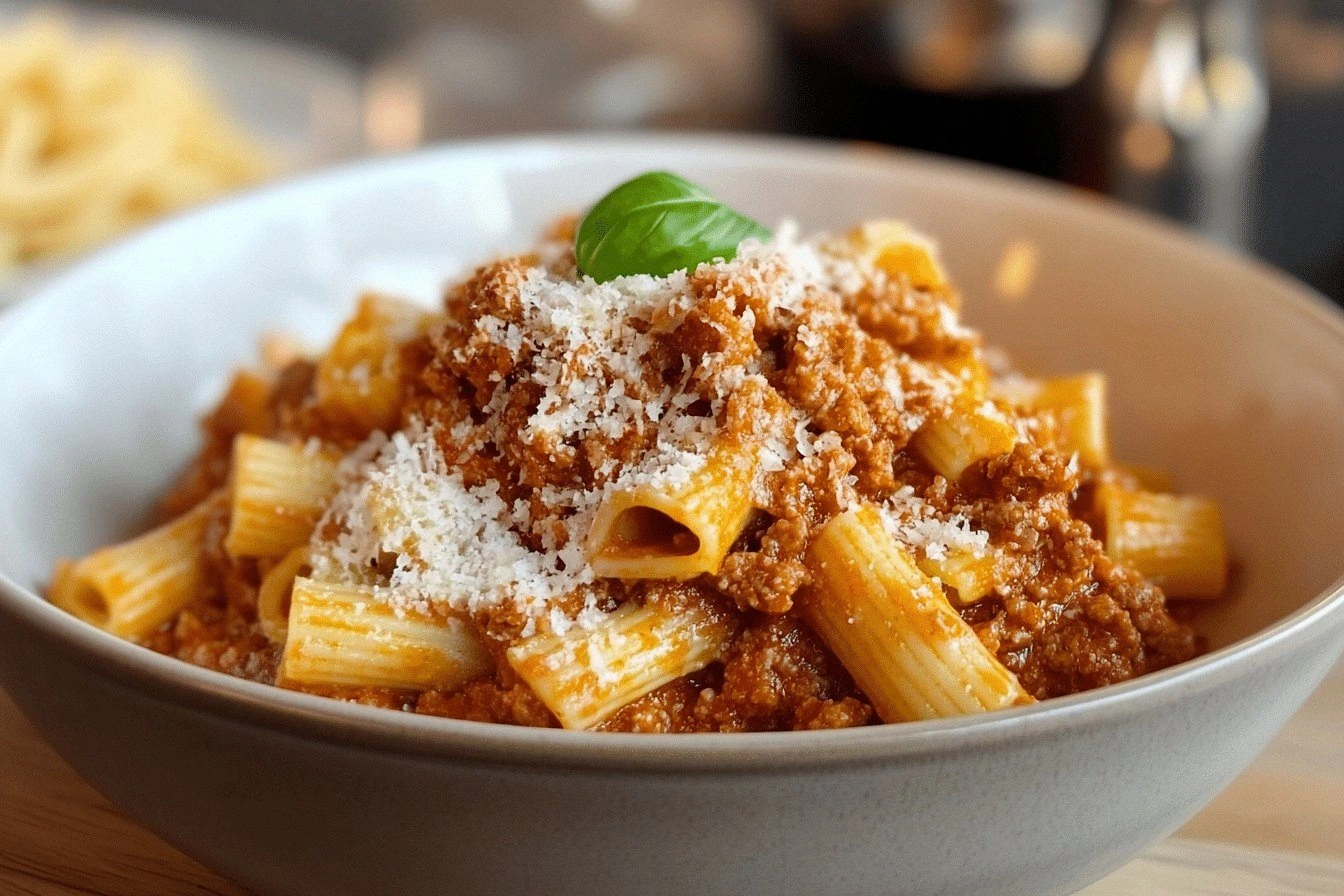
Picture this: a pan sizzling with ground beef and pork, the aroma of garlic and onions dancing in the air, the gentle hiss of tomatoes simmering, and a splash of red wine adding depth like a secret handshake between flavors. The sound of the sauce thickening is like a comforting lullaby, and the sight of it bubbling with herbs makes your mouth water even before you taste it. Each ingredient plays a role—meat for depth, tomatoes for acidity, milk for creaminess, herbs for that unmistakable Italian character. The result? A sauce that coats the pasta like velvet, with a finish that lingers on your palate and leaves you craving a second plate.
What sets this version apart is the meticulous layering of flavors and the strategic use of both beef and pork. The beef brings a robust, savory base, while the pork adds a subtle sweetness and silky texture that balances the meatiness. I dared you to taste this and not go back for seconds, and I promise you will. Most recipes get this completely wrong by either over-sautéing the meat or neglecting the slow simmer that allows the flavors to meld. My version is hands down the best you’ll ever make at home because it captures the true essence of a Bolognese without the fuss.
I’ll be honest—once I tasted this sauce, I ate half the batch before anyone else even got a fork. That’s the power of a well-crafted Bolognese: it’s so satisfying that it almost eats itself. If you've ever struggled with getting the sauce to thicken or the flavors to balance, you're not alone—and I've got the fix. Stay with me here, because the next part is pure magic and will change how you approach Italian sauces forever.
What Makes This Version Stand Out
- Richness: Combining ground beef and pork creates a depth that a single meat can’t achieve. The pork’s natural fat melts into the sauce, giving it a silky mouthfeel that lingers on the tongue. This duo also allows the sauce to stay juicy even after a long simmer.
- Balance: The addition of milk or cream after the long simmer neutralizes tomato acidity, creating a harmonious flavor profile. The dairy smooths the edges without masking the tomato’s bright notes, resulting in a sauce that feels both hearty and refined.
- Herb Harmony: Fresh or dried basil, oregano, and bay leaves infuse the sauce with unmistakable Mediterranean warmth. The herbs are added at different stages to release their flavors gradually, ensuring a layered aroma.
- Texture: The soffritto of onion, carrot, and celery forms a silky base that coats the meat. When cooked slowly, the vegetables break down into a subtle puree that adds body without being chunky.
- Time Efficiency: Despite its depth, the recipe can be prepared in under an hour, making it ideal for busy weeknights. The long, low simmer is the secret to unlocking flavor without sacrificing time.
- Make‑Ahead Friendly: This sauce tastes better the next day, making it perfect for meal prep or a weekend batch. The flavors continue to develop, and the sauce can be reheated without losing its character.
- Audience Appeal: Whether you’re a novice cook or an experienced chef, the recipe is approachable yet impressive. It’s a crowd-pleaser that works for family dinners, dinner parties, or a quiet night in.
Inside the Ingredient List
The Flavor Base
Ground Beef and Pork: Combining both adds richness and complexity to the sauce’s base. The beef provides a robust savory note, while the pork’s natural fat melts into the sauce, creating a silky texture that keeps the sauce from drying out. If you skip the pork, the sauce will still be tasty, but it will lack the subtle sweetness that balances the acidity of the tomatoes.
Onion, Carrot, and Celery: This classic soffritto forms the aromatic foundation of the Bolognese. The vegetables release their natural sugars as they cook, creating a sweet undertone that counters the tomato’s tartness. If you omit any of these, the sauce will feel flat, missing that essential depth that makes the dish sing.
The Texture Crew
Garlic: Adds a layer of sharp, fragrant warmth that elevates the entire sauce. Garlic’s aroma is released as it cooks, creating a fragrant halo around the meat. Skipping garlic will make the sauce less complex, but the dish will still be hearty.
Canned Tomatoes: Choose good quality plum tomatoes for a smooth, fresh tomato flavor. The tomatoes should be crushed or whole, then blended for a silky consistency. If you use low-quality tomatoes, the sauce will taste watery and lack depth.
The Unexpected Star
Tomato Paste: Concentrates the tomato essence and thickens the sauce beautifully. Adding tomato paste early allows it to caramelize slightly, adding a nutty sweetness that enhances the overall flavor. If you skip the paste, the sauce will be thinner and less robust.
The Final Flourish
Red Wine: Provides depth and a subtle acidity that brightens up the meatiness. The wine should be a dry red, and it’s best to let it reduce before adding the tomatoes. Without wine, the sauce will feel flat and lacking that characteristic Italian complexity.
Milk or Cream: Balances acidity and enriches the texture with creamy softness. Adding dairy after the long simmer softens the tomato’s sharp edges and creates a velvety finish. If you skip dairy, the sauce will be tangier and less smooth.
Italian Herbs: Fresh or dried basil, oregano, and bay leaves add that signature Mediterranean touch. Herbs should be added at different stages to release their flavors gradually, ensuring a layered aroma. If you use too much, the sauce can become overpowering; if you use too little, it will taste bland.
Salt and Pepper: Essential seasonings that bring everything together with precision. Salt enhances the natural flavors, while pepper adds a subtle heat. Use them to taste, and remember that the sauce will absorb more salt as it simmers.
Pasta: Traditionally tagliatelle or pappardelle, but spaghetti works perfectly too. The pasta should be al dente to hold the sauce’s weight. If you overcook the pasta, it will become mushy and fail to carry the sauce.
Parmesan Cheese: For grating over the top, finishing the dish with a nutty, savory boost. Freshly grated parmesan adds a salty, umami punch that complements the sauce’s richness. If you use pre-grated cheese, it may not melt as smoothly.
Everything's prepped? Good. Let's get into the real action…
The Method — Step by Step
- Heat a large, heavy‑bottomed pot over medium heat and add 2 tablespoons of olive oil. Once the oil shimmers, add the diced onion, carrot, and celery, and cook for 5 minutes until they soften and begin to caramelize. The vegetables should release their natural sugars, creating a sweet base. Keep the heat steady to avoid burning the aromatics.
- Add the minced garlic and sauté for 30 seconds until fragrant. Watch the garlic closely; it should turn a pale gold, not brown. This quick step infuses the oil with garlic’s sharpness without bitterness. Stir constantly to prevent sticking.
- Introduce the ground beef and pork to the pot, breaking it up with a wooden spoon. Let the meat sear undisturbed for 3–4 minutes to develop a crust. This caramelization adds depth and a savory base that will carry the sauce’s flavors. Once browned, reduce the heat to low.
- Pour in the red wine and allow it to reduce by half, which should take about 4 minutes. The wine’s acidity brightens the meat and caramelizes the sugars from the vegetables. If the liquid evaporates too quickly, add a splash of water to keep the mixture from scorching.
- Stir in the tomato paste and let it cook for 2 minutes, letting it caramelize slightly. This step deepens the tomato flavor and adds a subtle nutty sweetness. Keep the mixture moving to prevent the paste from sticking to the bottom.
- Add the crushed tomatoes and a pinch of salt, then stir to combine. Bring the mixture to a gentle simmer, reduce the heat to low, and let it cook for 45 minutes, uncovered. The sauce should thicken and the flavors should meld into a cohesive, savory broth.
- During the last 15 minutes of simmering, add the bay leaves, dried oregano, and dried basil. These herbs will release their aromas slowly, creating a layered flavor profile. Remove the bay leaves before serving to avoid a bitter note.
- Stir in the milk or cream and let the sauce simmer for an additional 10 minutes. The dairy will mellow the acidity, creating a silky, velvety texture. Taste and adjust salt and pepper as needed; the sauce should be well‑seasoned.
- While the sauce finishes, bring a large pot of salted water to a boil and cook the pasta until al dente, about 8–10 minutes. Reserve a cup of pasta water before draining. Toss the pasta with the sauce, adding pasta water as needed to achieve a silky coating. Finish with a generous grating of Parmesan and serve immediately.
That's it — you did it. But hold on, I've got a few more tricks that'll take this to another level…
Insider Tricks for Flawless Results
The Temperature Rule Nobody Follows
The key to a silky Bolognese is low and slow. Keep the heat on the lower end of medium after the initial sear. This prevents the meat from drying out and allows the tomatoes to break down fully, creating a luscious base. A quick, high‑heat simmer can cause the sauce to become greasy and uneven.
Why Your Nose Knows Best
Before you taste the sauce, sniff it first. A good Bolognese should have a deep, earthy aroma with hints of tomato and herbs. If the smell is too acidic, let it simmer longer; if it’s too flat, add a pinch of sugar or a splash of wine. Trust your nose; it’s the quickest way to gauge balance.
The 5‑Minute Rest That Changes Everything
After you finish cooking, let the sauce rest for five minutes before serving. This allows the flavors to meld and the fat to redistribute, giving the sauce a richer mouthfeel. If you’re in a hurry, you can skip this step, but the rest will elevate the dish from good to unforgettable.
The Secret of the Soffritto
Cook the onion, carrot, and celery until they’re just translucent, not browned. A lightly cooked soffritto preserves the sweetness and prevents bitterness. If you rush this step, you’ll end up with a harsh, over‑cooked base that ruins the sauce’s delicate balance.
The Milk‑Water Trick
When adding milk, mix it with a small amount of pasta water before pouring it into the sauce. This tempering step prevents the dairy from curdling and ensures a smooth, velvety finish. It’s a simple technique that professional chefs swear by.
The Finish With Parmesan
Grate Parmesan fresh right before serving. Freshly grated cheese melts more evenly and offers a more intense flavor compared to pre‑grated varieties. Sprinkle it generously over the pasta; the cheese’s salty, nutty notes finish the dish on a high note.
Creative Twists and Variations
This recipe is a playground. Here are some of my favorite ways to switch things up:
Spicy Sriracha Bolognese
Add a tablespoon of Sriracha during the simmer to give the sauce a subtle heat. The chili’s sweetness balances the acidity of the tomatoes, creating a complex, comforting dish that’s perfect for a cozy night in.
Mushroom & Walnut Bolognese
Sauté sliced mushrooms and chopped walnuts with the soffritto. The earthiness of the mushrooms complements the meat, while the walnuts add a nutty crunch. This version is ideal for vegetarians who crave a meaty texture.
Vegetarian Bolognese
Replace the ground meat with lentils or finely chopped seitan. The lentils provide protein and a hearty texture, while the seitan offers a chewy, meat‑like bite. The sauce remains rich, and the tomato base carries the flavors beautifully.
Herb‑Infused Olive Oil
Before adding the meat, sauté the soffritto in a mixture of olive oil and fresh rosemary, thyme, and bay leaves. The infused oil adds a fragrant, herbal aroma that permeates the entire sauce, creating an elevated flavor profile.
Pasta Swap: Fettuccine or Rigatoni
Swap tagliatelle for fettuccine or rigatoni for a different mouthfeel. Fettuccine’s flat shape holds the sauce well, while rigatoni’s ridges trap the Bolognese, delivering a burst of flavor in every bite.
Citrus‑Bright Finish
Finish the sauce with a squeeze of fresh lemon or a splash of orange zest. The citrus adds a bright, zesty counterpoint to the rich, savory base, refreshing the palate and enhancing the overall complexity.
Storing and Bringing It Back to Life
Fridge Storage
Cool the sauce completely before transferring it to an airtight container. Store in the refrigerator for up to 4 days. When reheating, add a splash of water or milk to restore its silky texture. The sauce will keep its depth of flavor.
Freezer Friendly
Divide the sauce into portions and freeze in freezer‑safe containers or bags. It will stay good for up to 3 months. Thaw overnight in the fridge before reheating; this prevents separation and keeps the sauce smooth.
Best Reheating Method
Reheat gently on low heat, stirring frequently. Add a small amount of water or milk to loosen the sauce and avoid scorching. When the sauce is heated through, serve immediately over freshly cooked pasta.