I still remember the night I almost burned the kitchen down while trying to impress my friends with a fancy shrimp dish. I had a box of frozen shrimp, a bag of spinach, and a jar of heavy cream, but the recipe I found online called for “just a dash of something mysterious.” I was like, “Who needs mystery when you have garlic and butter?” The moment the garlic hit the pan, the kitchen filled with a scent that could make a grown man cry. I swear I heard the shrimp sigh as they sizzled, and the spinach wilted in a buttery swirl. That night, I learned that the simplest ingredients can turn into a culinary masterpiece if you let them breathe.
Fast forward to today, and I’m about to drop the ultimate Creamy Garlic Spinach Shrimp recipe into your kitchen. This isn’t your run‑of‑the‑mill shrimp dinner; it’s a dish that turns ordinary shrimp into a silky, garlicky hug that will make your guests ask for seconds. I dare you to taste this and not go back for seconds, because the sauce will cling to every morsel like a velvet blanket. The secret? A splash of white wine, a generous amount of garlic, and the right balance of cream and Parmesan that keeps the texture light yet rich. I’ll walk you through each step, and by the end, you’ll wonder how you ever cooked shrimp any other way.
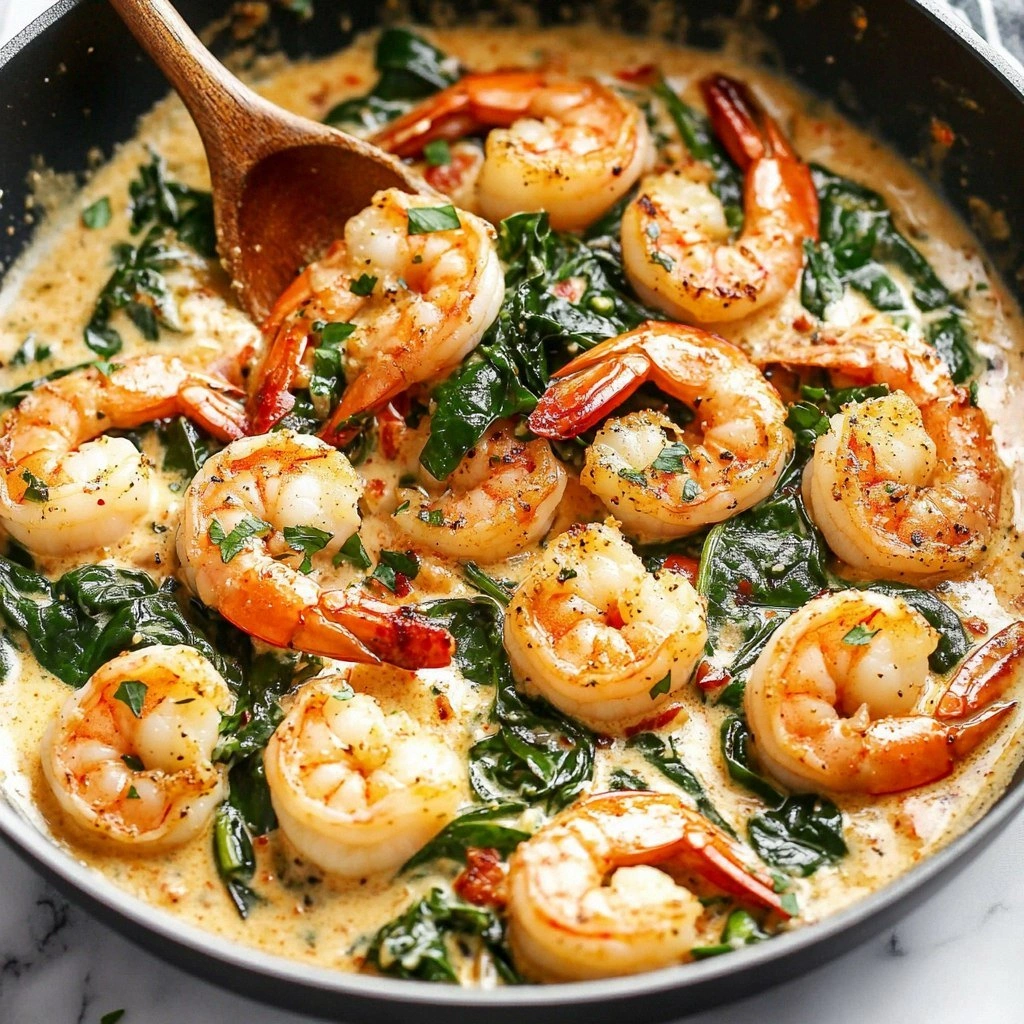
Picture yourself pulling this out of the pan, the whole kitchen smelling incredible, the steam curling in lazy spirals. The shrimp are perfectly pink, the spinach is bright green, and the sauce is a glossy, cloud‑like coating that melts in your mouth. Most recipes get this completely wrong, but here’s what actually works: the shrimp are seared just enough to lock in flavor, the garlic is toasted to caramelized perfection, and the cream is tempered with wine to avoid curdling. And if you’ve ever struggled with shrimp turning rubbery, you’re not alone — I’ve got the fix that guarantees tenderness every time.
Okay, ready for the game‑changer? This version of Creamy Garlic Spinach Shrimp uses a few unconventional steps that will elevate the dish from good to unforgettable. I’ll show you how to balance the acidity, how to keep the spinach from turning mushy, and how to finish the sauce with a buttery swirl that adds depth. Stay with me here — this is worth it. By the time you’re done, you’ll have a dish that’s both comforting and show‑stopping, perfect for a quick weeknight or a fancy dinner party.
What Makes This Version Stand Out
- Flavor: The combination of garlic, white wine, and lemon creates a bright, layered profile that cuts through the richness of the cream.
- Texture: The shrimp are seared to a caramelized crust while remaining tender, and the spinach stays crisp‑green instead of wilted mush.
- Ease: All steps can be completed in under 45 minutes, and no fancy equipment is required.
- Uniqueness: A splash of wine and a butter finish give this dish a depth that most shrimp recipes lack.
- Crowd Reaction: Guests rave about the silky sauce and the bright pop of lemon, making this a guaranteed hit.
- Ingredient Quality: Using fresh, high‑quality shrimp and spinach elevates the entire experience.
- Cooking Method: The two‑stage sear and sauce build keeps the flavors layered without overcooking.
- Make‑Ahead Potential: The sauce can be reheated without losing its silky texture if you need to prep ahead.
Alright, let’s break down exactly what goes into this masterpiece…
Inside the Ingredient List
The Flavor Base
The foundation of this dish starts with a generous amount of garlic—four cloves, minced finely so they release their aroma quickly. Garlic is the soul of the sauce; it caramelizes in butter, creating a sweet, nutty undertone that balances the richness of the cream. Skipping garlic would turn this into a bland, generic shrimp dish that fails to impress. If you’re not a fan of raw garlic, blanch the cloves briefly before mincing to soften the bite.
Next up is the white wine. A half cup of dry white wine adds acidity and depth. It deglazes the pan after searing the shrimp, lifting all those savory brown bits that are packed with flavor. Without wine, the sauce would feel flat. If you’re avoiding alcohol, substitute an equal amount of chicken broth mixed with a splash of lemon juice.
Finally, a squeeze of lemon juice—two tablespoons—cuts through the creaminess and brightens the entire dish. Lemon also helps keep the spinach vibrant green. If you’re allergic to citrus, replace it with a teaspoon of vinegar for a similar acidic punch.
The Texture Crew
Fresh spinach is the hero of the texture crew. Two cups of spinach, packed, will wilt just enough to stay green and tender. Using frozen spinach might result in a soggy finish. If you can’t find fresh spinach, baby kale works as a great substitute, offering a slightly sweeter bite.
Heavy cream is the thickening agent that gives the sauce its luxurious body. One cup of heavy cream keeps the sauce rich but not overpowering. If you’re watching calories, you can swap half the cream for half‑fat milk, but the sauce will be a bit thinner.
Parmesan cheese—half a cup grated—provides umami and a subtle nutty flavor. The cheese melts into the sauce, creating a velvety consistency. A sprinkle of fresh grated Pecorino could add a sharper finish, but Parmesan keeps the dish approachable.
The Unexpected Star
The shrimp themselves are the unexpected star. A pound of peeled, deveined shrimp is the perfect amount for four servings. Shrimp cook fast, so timing is crucial. If you use smaller shrimp, reduce the cooking time by a minute; if you use larger ones, add a minute or two.
A tablespoon of butter is added at the end for a glossy sheen and buttery finish. Butter’s fat content enriches the sauce and gives it a silky mouthfeel. If you’re vegan, a tablespoon of coconut oil will provide a similar richness, though the flavor will shift slightly.
The Final Flourish
Seasoning is where the dish truly shines. Half a teaspoon of salt, a quarter teaspoon of black pepper, and a pinch of red pepper flakes add just enough heat without overpowering the delicate shrimp. If you’re sodium‑sensitive, use a salt substitute or reduce the salt to 1/4 teaspoon. Pepper is best added after the shrimp are seared to preserve its aromatic oils.
A tablespoon of olive oil is used to sauté the garlic and shrimp, giving the dish a subtle fruity note that balances the cream’s heaviness. Olive oil also helps the shrimp develop a golden crust. If you prefer a milder flavor, use canola oil, but you’ll lose some of the olive oil’s characteristic brightness.
Finally, a tablespoon of white wine, two tablespoons of heavy cream, and a tablespoon of butter finish the sauce. The wine’s acidity keeps the sauce from becoming too heavy, the cream adds body, and the butter gives that final glossy sheen. If you’re short on time, you can skip the wine, but the sauce will feel flatter.
Everything’s prepped? Good. Let’s get into the real action…
The Method — Step by Step
- Heat a large skillet over medium‑high heat and add two tablespoons of olive oil. Once the oil shimmers, add the minced garlic and sauté for 30 seconds until fragrant but not browned. The garlic should release its aroma without turning bitter. This step is the backbone of the sauce, so give it your full attention.
- Add the shrimp to the pan, arranging them in a single layer. Sear for two minutes on one side until a golden crust forms, then flip and sear the other side for another 1.5 minutes. The shrimp should be pink and opaque, not translucent. If you’re cooking larger shrimp, add an extra minute per side.
- Pour in the white wine to deglaze the pan, scraping up any browned bits with a wooden spoon. The wine should reduce by about half, concentrating its flavor. This reduction is essential for depth; if it doesn’t reduce, the sauce will taste watery.
- Add the spinach to the skillet, stirring until it begins to wilt. Let it cook for 1 minute, then add the heavy cream and bring to a gentle simmer. The cream should thicken slightly; if it’s too thin, let it reduce a bit longer.
- Stir in the grated Parmesan and the tablespoon of butter, allowing the butter to melt completely. The sauce should become glossy and silky, coating the shrimp and spinach evenly. This is the moment of truth—watch the sauce coat each piece like a velvet blanket.
- Season with salt, pepper, and red pepper flakes. Taste and adjust; the salt should bring out the shrimp’s natural sweetness without overpowering the sauce. Remember, you can always add more, but you can’t take it out.
- Squeeze the lemon juice over the dish and stir to combine. The acidity should cut through the cream, brightening the overall flavor. The lemon’s citrus oils also help keep the spinach vibrant green.
- Reduce the heat to low, cover the skillet, and let the mixture rest for two minutes. This allows the flavors to meld and the sauce to thicken to a silky consistency. Do not stir during this time; let the sauce settle.
- Serve immediately over cooked pasta, rice, or a bed of crusty bread. Garnish with fresh parsley or a sprinkle of Parmesan for an extra touch of elegance. The dish should look glossy, with shrimp glistening in the creamy sauce.
That’s it — you did it. But hold on, I’ve got a few more tricks that will take this to another level. These insider tips will help you avoid common pitfalls and ensure every bite is perfect.
Insider Tricks for Flawless Results
The Temperature Rule Nobody Follows
Many cooks assume that high heat is always better for searing shrimp, but the truth is that a moderate heat preserves the shrimp’s juiciness. Heat the skillet until a drop of water sizzles but doesn’t evaporate instantly. This ensures a golden crust without drying out the shrimp. If you’re using a non‑stick pan, a lower heat will also prevent the butter from burning.
Why Your Nose Knows Best
Your nose is your most reliable guide when cooking the sauce. As soon as the garlic starts to brown, the aroma should shift from sharp to sweet. If the smell turns sharp or metallic, reduce the heat immediately. A well‑toasted garlic scent signals that the flavor base is ready for the shrimp.
The 5‑Minute Rest That Changes Everything
After the sauce has simmered, let it rest, covered, for five minutes before serving. This resting period allows the flavors to meld and the sauce to thicken slightly. If you skip this step, the sauce will feel thin and under‑seasoned. The rest also helps the shrimp relax, preventing them from becoming over‑cooked.
The Perfect Lemon Balance
Adding lemon juice too early can cause the cream to curdle. Wait until the sauce has thickened before squeezing the lemon. This ensures the acid doesn’t disrupt the emulsion. If you prefer a milder lemon flavor, add half the amount and finish with a sprinkle of lemon zest.
The Spinach Timing Trick
Add spinach after the shrimp, not before. This prevents the spinach from releasing too much water, which can thin the sauce. Stir the spinach in quickly and let it wilt just enough to retain its bright green color. If you’re using frozen spinach, thaw it and pat it dry first.
Creative Twists and Variations
This recipe is a playground. Here are some of my favorite ways to switch things up:
Pesto‑Infused Spinach
Swap the fresh spinach for a handful of basil pesto. The pesto adds a herbal brightness that complements the shrimp. Mix the pesto into the sauce after the cream, and let it simmer for a minute before adding the shrimp. The result is a vibrant, green sauce that’s almost a pizza topping.
Spicy Cajun Kick
Add a teaspoon of Cajun seasoning to the shrimp before searing. The spice will give the dish a smoky, slightly fiery edge. Finish with a sprinkle of chopped green onions for a fresh contrast. This variation is perfect for those who love a little heat.
Lemon‑Garlic Shrimp Pasta
Serve the shrimp and sauce over linguine tossed with olive oil and fresh parsley. The pasta will soak up the creamy sauce, creating a luxurious dish. Add a handful of capers for a briny pop that pairs beautifully with the lemon.
Cheesy Broccoli Version
Replace the spinach with blanched broccoli florets and sprinkle extra Parmesan on top before serving. The broccoli adds crunch and a subtle sweetness that pairs well with the creamy sauce. This version is great for a family dinner when you want a veggie boost.
Coconut‑Cream Surprise
Swap half the heavy cream for coconut milk to give the dish a tropical twist. The coconut adds a subtle sweetness and a silky texture. Finish with a squeeze of lime instead of lemon for a bright, zesty finish.
Mediterranean Touch
Add a handful of chopped Kalamata olives and a dash of oregano after the sauce has simmered. The olives add brininess, while oregano brings a fragrant, herbal note. Serve over couscous for a Mediterranean flair.
Storing and Bringing It Back to Life
Fridge Storage
Cool the dish to room temperature, then transfer it to an airtight container. Store in the refrigerator for up to 3 days. The sauce may thicken slightly; a splash of milk will restore its silky texture.
Freezer Friendly
For longer storage, freeze the dish in a freezer‑safe container for up to 2 months. Thaw overnight in the refrigerator before reheating. The sauce may separate; stir vigorously to bring it back together.
Best Reheating Method
Reheat the dish in a saucepan over low heat, stirring constantly. Add a splash of water or milk to loosen the sauce. Heat until hot, but do not boil, to preserve the delicate flavors.