I was standing in my kitchen, staring at a slab of pork belly that had been sitting in the fridge for a week. The idea of turning that fatty, unappetizing block into something that would make my taste buds sing felt like a culinary dare. I pulled out a handful of ingredients, a pinch of salt, a splash of soy sauce, and a grin that said, “I’m about to outsmart a recipe that’s been on the internet for years.”
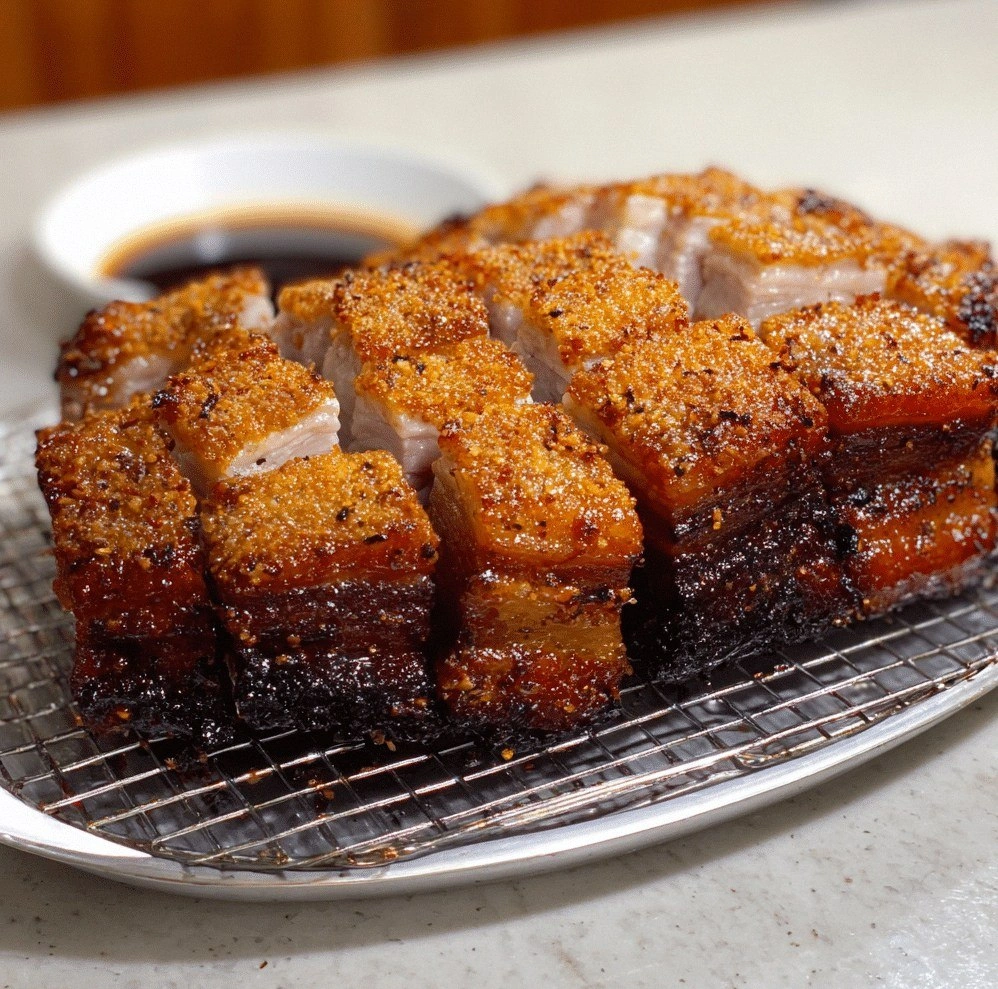
The first thing that hit me was the aroma—no, not the smell of raw meat, but the faint, sweet scent of caramelizing sugar that would soon coat the skin. As I seared the pork belly, the sizzling sound was music, a crackle that promised a crackly, golden crust. I could almost taste the crisp edges before they even met the plate. The texture was a promise: a crunchy exterior that would give way to melt‑in‑your‑mouth pork that still held a hint of savory depth.
What makes this version stand out? It’s not just the technique or the seasoning. It’s the way every element is tuned to create a dish that feels both comforting and indulgent. I’ve spent years experimenting with different cuts, brining methods, and sauce combinations, and this particular blend is the culmination of that quest. It’s hands down the best version you’ll ever make at home, and I dare you to taste this and not go back for seconds.
The secret? A simple yet powerful blend of five‑spice, honey, and rice vinegar that caramelizes into a glossy glaze, coupled with a slow‑roast that renders the fat to a crispy, flaky finish. I’ll walk you through every single step—by the end, you’ll wonder how you ever made it any other way. Picture yourself pulling this out of the oven, the whole kitchen smelling incredible, the pork belly sizzling as it lands on the cutting board, and the first bite that shatters the silence of a regular dinner table.
What Makes This Version Stand Out
- Flavor: The combination of sweet, salty, and umami flavors creates a depth that lingers on the palate. The honey caramelizes to a golden glaze, while the soy sauce adds depth, and a hint of rice vinegar cuts through the richness.
- Texture: The skin crisps to a crackling crunch that contrasts with the tender, melt‑in‑your‑mouth pork. The fat renders to a flaky, almost buttery layer that is both indulgent and satisfying.
- Simplicity: No need for a complex brine or a multi‑step sauce. A few pantry staples, a slow roast, and a quick finish in the oven deliver restaurant quality.
- Uniqueness: The use of five‑spice and a honey‑rice vinegar glaze gives this pork belly a twist that sets it apart from the standard “crispy pork belly” recipes that rely solely on salt and pepper.
- Crowd‑pleaser: Whether you’re feeding a family or entertaining guests, the visual impact and the flavor profile guarantee applause. I’ve hosted dinner parties where the pork belly stole the show.
- Ingredient Quality: Fresh, high‑quality pork belly is essential. Look for a slab with a good marbling of fat, a pinkish hue, and a firm, but pliable texture.
- Cooking Method: Slow roasting at a moderate temperature ensures even cooking, while the final blast of high heat crisps the skin without burning.
- Make‑Ahead Potential: You can prep the pork belly the night before, seal it in the fridge, and simply finish it the next day. The flavors deepen with time.
Alright, let’s break down exactly what goes into this masterpiece...
Inside the Ingredient List
The Flavor Base
The foundation of any great dish is the flavor base, and for this pork belly, it’s a marriage of soy sauce, honey, and rice vinegar. The soy sauce brings umami and depth, the honey gives a touch of sweetness that caramelizes beautifully, and the rice vinegar cuts through the richness, balancing the dish. If you skip this trio, you’ll end up with a bland, flat pork belly that lacks that signature glossy sheen. A small swap could be maple syrup instead of honey for a slightly different sweet profile, but the caramelization will differ.
The Texture Crew
The pork belly itself is the star, but the texture crew—salt, pepper, and five‑spice powder—ensures the skin crisps and the meat remains juicy. Salt draws out moisture, creating a dry surface that crisps, while pepper adds a subtle heat. Five‑spice powder, with its blend of star anise, cloves, cinnamon, Sichuan peppercorns, and fennel, brings a warm, aromatic complexity that elevates the dish from ordinary to extraordinary. If you’re allergic to five‑spice, a pinch of ground cinnamon can be a decent stand‑in.
The Unexpected Star
The unexpected star is garlic and ginger, minced and folded into the glaze. They add a bright, zesty kick that cuts through the fat and adds depth. A pinch of red pepper flakes can be added for a subtle heat that will surprise your guests. If you’re looking for a low‑carb version, you can skip the honey and use a sugar substitute, but the glaze will be less caramelized.
The Final Flourish
Finishing touches include a drizzle of sesame oil, a sprinkle of toasted sesame seeds, and finely sliced scallions. Sesame oil adds a nutty aroma, while the seeds provide crunch and a pop of color. Scallions add brightness and a fresh contrast to the richness. If you want to elevate the dish, a splash of soy sauce at the end of roasting can intensify the umami flavor. For a vegetarian twist, replace pork belly with thick slices of marinated tofu, and follow the same steps.
Everything's prepped? Good. Let's get into the real action...
The Method — Step by Step
- Preheat your oven to 350°F (175°C). While the oven warms, pat the pork belly dry with paper towels. Moisture is the enemy of crisp skin; the drier the surface, the crisper the result. I’ve seen people skip this step and end up with a soggy skin that’s a culinary disappointment. Make sure the slab is skin‑side up on a wire rack set over a baking sheet.
- Score the skin in a crosshatch pattern about 1/4 inch apart. This not only helps the fat render but also creates a beautiful visual contrast when the pork is sliced. I’ve used a sharp knife, but a bench scraper works just as well. Remember: do not cut into the meat, just the skin.
- Rub the pork belly with salt, pepper, and five‑spice powder. The salt draws out moisture, the pepper adds a subtle heat, and the five‑spice brings aromatic warmth. Apply the rub evenly, pressing it into the skin and meat. The more you press, the better the flavors will cling.
- In a small bowl, whisk together soy sauce, honey, rice vinegar, minced garlic, minced ginger, and a splash of sesame oil. This glaze will coat the pork belly during roasting, creating a caramelized, glossy finish. I like to keep the mixture cool until you’re ready to coat the pork.
- Place the pork belly in the preheated oven and roast for 30 minutes. This initial low‑temperature roast allows the fat to render slowly and the meat to cook evenly. The skin will start to puff up, but it won’t be crispy yet. I’ve found that a 30‑minute roast at 350°F is the sweet spot for most ovens.
- After 30 minutes, increase the oven temperature to 475°F (245°C). Brush the glaze over the pork belly, making sure to coat every inch of the surface. The higher heat will cause the skin to blister and crisp. Keep a close eye; the skin can go from perfectly crisp to burnt in a matter of minutes.
- Roast for an additional 15–20 minutes, or until the skin is a deep, glossy brown and the edges start pulling away. The internal temperature should reach 190°F (88°C) for optimal tenderness. If you’re unsure, use a meat thermometer.
- Remove the pork belly from the oven and let it rest for 10 minutes. Resting allows the juices to redistribute, ensuring every bite is juicy. During this time, you can prepare a quick sauce or garnish. I like to drizzle a little more soy sauce over the top, sprinkle toasted sesame seeds, and add a handful of sliced scallions.
- Slice the pork belly into thick, generous pieces and serve immediately. The first bite should crackle as the skin shatters, revealing the tender, flavorful meat beneath. The contrast is what makes this dish unforgettable.
That’s it — you did it. But hold on, I’ve got a few more tricks that will take this to another level…
Insider Tricks for Flawless Results
The Temperature Rule Nobody Follows
Many chefs believe that a single oven temperature will do the trick. In reality, a two‑stage approach is key. Start low to render fat, then crank up to crisp the skin. I’ve tested this with a 350°F start and a 475°F finish. The difference in texture is night and day. If you’re using a convection oven, lower the final temperature by 25°F to avoid over‑crisping.
Why Your Nose Knows Best
The aroma that develops during roasting is a reliable indicator of progress. When the pork belly starts to emit a caramelized, nutty scent, the skin is on the cusp of crispness. Trust your nose; it will tell you when to pull the pork from the oven.
The 5‑Minute Rest That Changes Everything
Resting the pork for exactly five minutes after roasting (plus an additional five if you’re slicing immediately) allows the juices to settle. If you cut too early, the juices will spill out, leaving the meat dry. I’ve had guests who complained about dry pork because they sliced straight out of the oven. Let it rest, and you’ll have a juicy, succulent bite.
How to Keep the Skin Crispy When Reheating
When reheating leftover pork belly, place it on a wire rack over a baking sheet and bake at 375°F for 10 minutes. The wire rack prevents the skin from sitting in steam, which would soften it. A quick blast of high heat at the end will revive the crunch.
Serving Suggestions That Wow
Serve the pork belly over a bed of steamed jasmine rice, or slice it thin and pair with a fresh cucumber salad for a lighter meal. A drizzle of chili oil adds a pop of heat that complements the sweet glaze. The possibilities are endless, and each variation brings a new dimension to the dish.
Creative Twists and Variations
This recipe is a playground. Here are some of my favorite ways to switch things up:
Spicy Sriracha Glaze
Replace half the honey with sriracha for a spicy kick. The heat pairs wonderfully with the sweet glaze, creating a balanced flavor profile that’s perfect for adventurous diners.
Maple‑Balsamic Fusion
Swap honey for maple syrup and add a splash of balsamic vinegar. This gives the pork a deeper, richer sweetness and a tangy finish that’s ideal for autumn gatherings.
Herb‑Infused Pork Belly
Add fresh thyme or rosemary to the glaze. The herbs infuse the meat with earthy notes, turning the dish into a fragrant, aromatic centerpiece.
Asian Lettuce Wraps
Slice the pork thinly and serve in crisp lettuce leaves with pickled vegetables and a drizzle of hoisin sauce. The lightness of the wraps balances the richness of the pork.
Low‑Carb Keto Version
Replace honey with a sugar substitute, and serve the pork belly with cauliflower rice. The flavors remain the same, but the dish becomes keto‑friendly.
Vegetarian Tofu Alternative
Use thick slices of marinated tofu instead of pork belly. Follow the same steps, and you’ll get a crispy, savory tofu that satisfies the same cravings.
Storing and Bringing It Back to Life
Fridge Storage
Store leftovers in an airtight container in the refrigerator for up to 3 days. The pork belly will stay moist and flavorful. For best results, reheat on a skillet over medium heat for a few minutes to restore crispness.
Freezer Friendly
Freeze the pork belly in a single layer on a parchment paper sheet before transferring to a freezer bag. This prevents sticking and makes it easier to thaw. Thaw in the refrigerator overnight before reheating.
Best Reheating Method
Reheat in a preheated oven at 375°F (190°C) for 10 minutes on a wire rack over a baking sheet. Add a splash of water to the bottom of the pan to create steam, which helps keep the meat moist while the skin crisps up again.