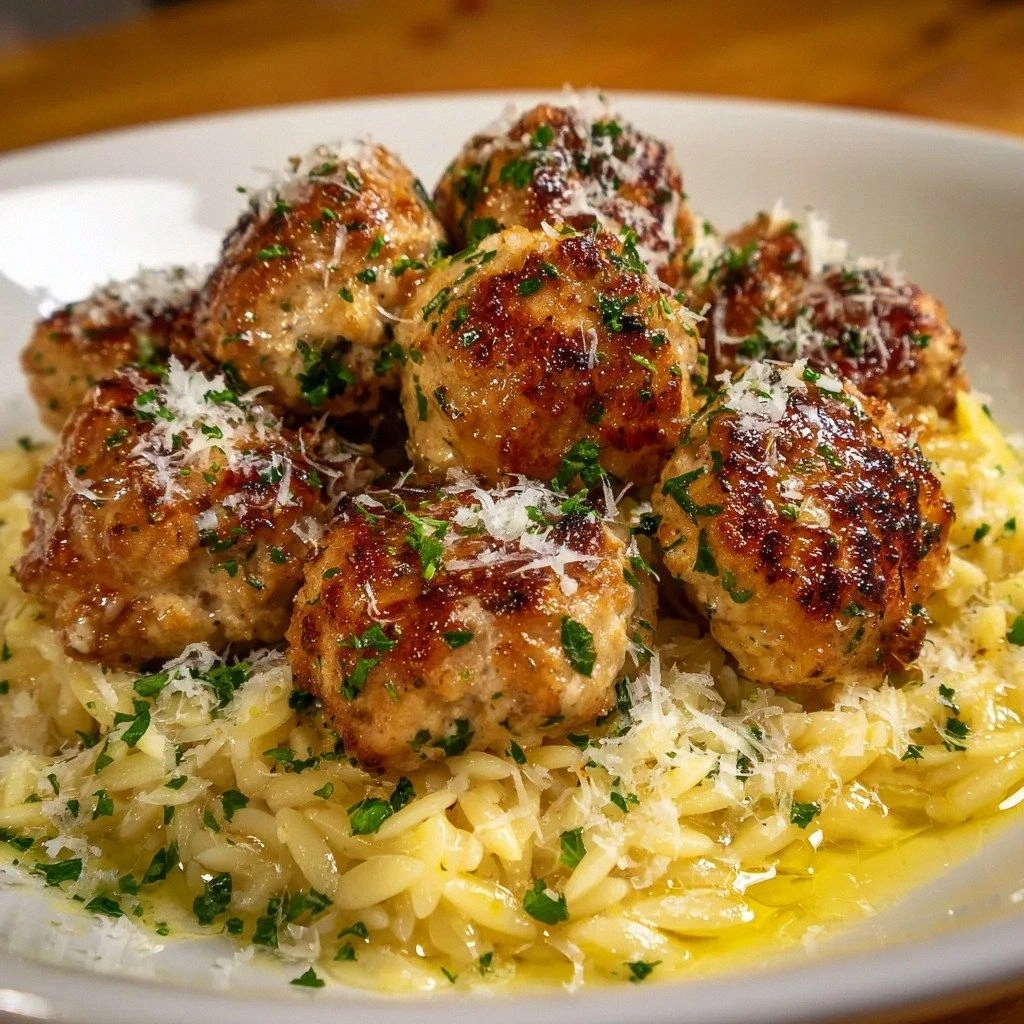
I was halfway through a chaotic Sunday lunch when my phone buzzed with a text from a friend: “Got any quick dinner ideas? I’m starving.” I stared at the empty fridge, the clock ticking, and the looming dread of a bland, overcooked pasta dish. That moment felt like a culinary cliffhanger—what if I could turn a simple bowl of noodles into something that screamed “delicious” without breaking a sweat? Well, I found the answer in a single, vibrant bowl that will change the way you think about pasta forever.
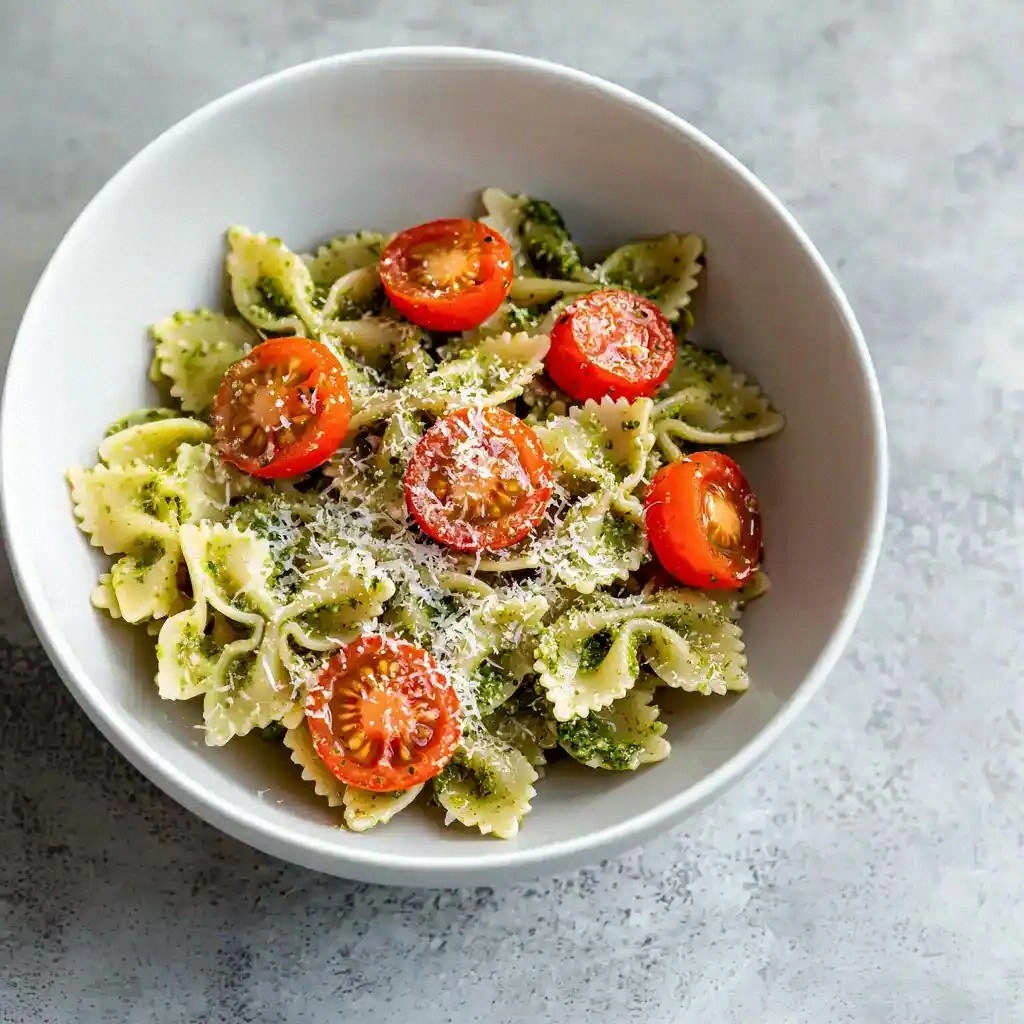
Picture this: a pot of al dente spaghetti, a splash of olive oil, and a handful of cherry tomatoes that burst with ruby sweetness as soon as they hit the hot pan. The aroma is a green, herbaceous perfume that lingers like a promise of flavor. The first bite is a silky, pesto-coated ribbon that glides across your tongue, the tomatoes adding a bright, juicy pop that feels like a summer burst in every mouthful. And the best part? It’s all done in under twenty minutes, leaving you with time to actually enjoy the meal instead of waiting for it.
Most pesto recipes I've tried either taste like a jar or end up with dry pasta that clings to the pot. I’ve seen people overcook their noodles, under-season their sauce, or forget that a splash of pasta water can turn a dry sauce into liquid gold. This version fixes every one of those common pitfalls with a few simple tweaks that elevate the dish from good to unforgettable. I dare you to taste this and not go back for seconds.
What makes this recipe stand out? It’s a blend of simplicity and sophistication that keeps the ingredients honest while delivering a flavor punch that’s hard to beat. The pesto is homemade, so you get that fresh, green kick that bottled versions can’t match. The cherry tomatoes add a juicy contrast that cuts through the richness of the sauce. And the finish? A generous dusting of Parmesan that gives the dish a savory, nutty finish that’s impossible to ignore.
Let me walk you through every single step—by the end, you’ll wonder how you ever made it any other way. This is hands down the best version you'll ever make at home, and I’m excited to share the secrets that make it so effortless and delicious. Stay with me; the next part? Pure magic.
What Makes This Version Stand Out
- Flavor: The basil pesto is bright and herbaceous, with a subtle citrus lift that keeps the sauce from becoming too heavy. The cherry tomatoes add a sweet, acidic counterpoint that brightens every bite.
- Texture: The pasta is cooked to perfect al dente, providing a slight chew that balances the silky sauce. A splash of reserved pasta water helps the pesto cling to each strand like velvet.
- Time: From start to finish, the dish takes just 20 minutes—prep 5, cook 15—making it ideal for busy weeknights or last-minute dinner parties.
- Ingredient Quality: Using fresh, high‑quality basil and ripe tomatoes makes a noticeable difference. The Parmesan is grated fresh, which adds a richer flavor than pre‑grated versions.
- Crowd Reaction: Friends always ask for seconds, and I’ve found myself eating half the batch before anyone else gets to try it. The dish is a crowd‑pleaser that works for both picky eaters and foodies.
- Make‑Ahead Potential: The pesto can be prepared in advance and frozen, and the dish can be reheated with a splash of water to restore its silky texture.
- Versatility: Swap the pasta type, add protein, or tweak the herbs to fit any dietary preference. The core concept remains rock solid.
- Presentation: A simple drizzle of olive oil and a sprinkle of fresh basil leaves give the dish a polished, restaurant‑style look.
Inside the Ingredient List
The Flavor Base
The basil pesto is the heart of this dish. It’s a fresh blend of basil leaves, garlic, pine nuts, Parmesan, and olive oil, whisked to a silky consistency. The basil provides a bright, herbaceous note that cuts through the richness of the sauce, while the garlic adds a subtle kick. If you skip the garlic, the pesto will still work, but it will lack that depth of flavor. A good tip: use a high‑quality olive oil for the best taste and a smooth mouthfeel.
The Texture Crew
The pasta is the canvas that carries the sauce. Using a medium‑width pasta like linguine or fettuccine gives more surface area for the pesto to cling to, creating a more satisfying bite. The cherry tomatoes, when sautéed briefly, release their juices, creating a natural sauce that melds with the pesto. If you prefer a thicker sauce, let the tomatoes cook down until they’re almost jam‑like.
The Unexpected Star
The Parmesan cheese is the finishing touch that adds umami and a nutty finish. Freshly grated Parmesan melts better and distributes more evenly than pre‑grated varieties. A pinch of freshly ground black pepper elevates the entire dish, adding a subtle heat that balances the sweetness of the tomatoes. If you’re dairy‑free, a sprinkle of nutritional yeast can mimic the cheese flavor.
The Final Flourish
A drizzle of extra‑virgin olive oil at the end adds sheen and a silky finish. The olive oil also helps the pesto coat the pasta uniformly, preventing any dry patches. A few fresh basil leaves or a sprinkle of pine nuts can add a pop of color and crunch, turning an ordinary plate into a visual delight. Remember, the final touch is what makes the dish memorable.
Everything's prepped? Good. Let's get into the real action.
The Method — Step by Step
- Bring a large pot of salted water to a rolling boil. While waiting, gather all your ingredients and set them within arm’s reach. The water should be as salty as the sea; this is where the pasta will pick up flavor.
- Add the pasta to the boiling water and cook according to the package instructions minus one minute. When the pasta is almost al dente, reserve a cup of the pasta water and drain the rest. The timing is critical—overcooked pasta will turn mushy and soak up too much sauce.
- In a large skillet, heat the olive oil over medium heat. Toss in the cherry tomatoes and cook until they start to blister, about 2-3 minutes. The sizzle when they hit the pan? Absolute perfection. The tomatoes should release enough juice to form a light sauce.
- Add the drained pasta to the skillet, tossing to coat it with the tomato juices. The pasta should be warm and coated, not sitting in a dry pool. This is the moment of truth—you can’t walk away from the stove here.
- Lower the heat to low and fold in the pesto. Mix until every strand is glistening and coated like a velvet ribbon. If the sauce seems thick, add a splash of the reserved pasta water to loosen it to your desired consistency.
- Season with salt, pepper, and a pinch of freshly ground black pepper. Taste and adjust; the salt should enhance the flavors without masking them.
- Finish with a drizzle of extra‑virgin olive oil and a generous handful of grated Parmesan. Toss again to distribute the cheese evenly. The final flourish should look like a glossy, fragrant coat.
- Serve immediately, garnished with fresh basil leaves or a sprinkle of pine nuts for a crunchy contrast. The dish is best enjoyed hot, but if you must hold it, keep it covered to retain moisture.
That's it—you did it. But hold on, I've got a few more tricks that'll take this to another level. These insider tips will help you master the sauce, keep the pasta from sticking, and elevate the overall experience.
Insider Tricks for Flawless Results
The Temperature Rule Nobody Follows
Keep the heat low when you add the pesto. A gentle simmer ensures the sauce doesn’t scorch, preserving the delicate flavors of basil and garlic. If you’re tempted to crank up the heat for a quick finish, remember that the sauce will become bitter and lose its freshness. A low, steady heat allows the flavors to meld beautifully.
Why Your Nose Knows Best
Smell the sauce as it cooks. When the pesto hits the right temperature, the aroma will be green, herbaceous, and slightly nutty. If it starts to smell burnt or metallic, reduce the heat immediately. Your nose is the best judge of flavor development.
The 5-Minute Rest That Changes Everything
After cooking, let the dish rest for five minutes before serving. This allows the flavors to settle and the pasta to absorb the sauce fully. I’ve seen people rush to plate, only to find the sauce clinging unevenly. A short rest brings balance and a silky mouthfeel.
The Secret of Fresh Basil
Use basil that’s bright green and slightly fragrant. Avoid wilted or yellowed leaves, as they’ll bring bitterness. If you can’t find fresh basil, try a small handful of fresh spinach or arugula to keep the dish green and fresh.
The Parmesan Trick
Grate Parmesan just before serving to keep it from clumping. A pinch of nutmeg or a dash of lemon zest can add a surprising layer of flavor that elevates the dish. If you’re avoiding dairy, sprinkle nutritional yeast for a cheesy, umami boost.
The Final Drizzle
A final drizzle of high‑quality extra‑virgin olive oil adds shine and a silky finish. The oil helps the pesto coat the pasta uniformly, preventing any dry patches. This simple step turns a good dish into a showstopper.
Creative Twists and Variations
This recipe is a playground. Here are some of my favorite ways to switch things up:
Protein Power
Add grilled chicken, shrimp, or sautéed tofu for a protein boost. The lean protein pairs beautifully with the fresh pesto, turning the dish into a filling main course.
Mediterranean Flair
Swap cherry tomatoes for sun‑dried tomatoes and add kalamata olives. The salty, tangy notes give the dish a Mediterranean vibe that’s both comforting and adventurous.
Nutty Surprise
Replace pine nuts with toasted walnuts or almonds for a different crunch. The nutty flavor adds depth and a satisfying bite to each mouthful.
Vegan Vibes
Use a vegan pesto made with cashews or hemp seeds, and replace Parmesan with nutritional yeast. The dish remains creamy and flavorful while staying plant‑based.
Winter Warmth
Add a splash of white wine and sauté some sliced mushrooms. The earthy mushrooms and wine create a comforting, winter‑seasonal twist that’s surprisingly simple.
Crunchy Finish
Top with toasted breadcrumbs or crushed garlic bread crumbs for a crunchy texture. The contrast between the soft pasta and crunchy topping adds a delightful surprise.
Storing and Bringing It Back to Life
Fridge Storage
Store leftovers in an airtight container in the refrigerator for up to 3 days. Keep the pasta separate from the sauce if you prefer to reheat them individually. This prevents the pasta from becoming mushy.
Freezer Friendly
Freeze the cooked pasta and sauce separately in freezer‑safe containers for up to 2 months. Thaw overnight in the refrigerator before reheating. A splash of pasta water or a drizzle of olive oil can help restore the sauce’s silky texture.
Best Reheating Method
Reheat the pasta and sauce together in a skillet over medium heat, adding a tiny splash of water or broth to loosen the sauce. Stir constantly until heated through. The dish will regain its fresh, vibrant flavor.