I was standing in my kitchen, half‑finished spaghetti on the counter, when a sudden craving hit me like a freight train. I could hear the distant hum of the refrigerator, the clink of a spoon against a pot, and my stomach growling in perfect rhythm with the ticking clock. I tried the usual quick‑fix meatball recipe from a random blog, but the result was a soggy, flavorless mess that left me wondering why anyone would ever call that a casserole. That disaster sparked a dare from my roommate: “I bet you can’t make a meatball casserole that actually makes people line up at your door.” I accepted, and the hunt for the ultimate version began.
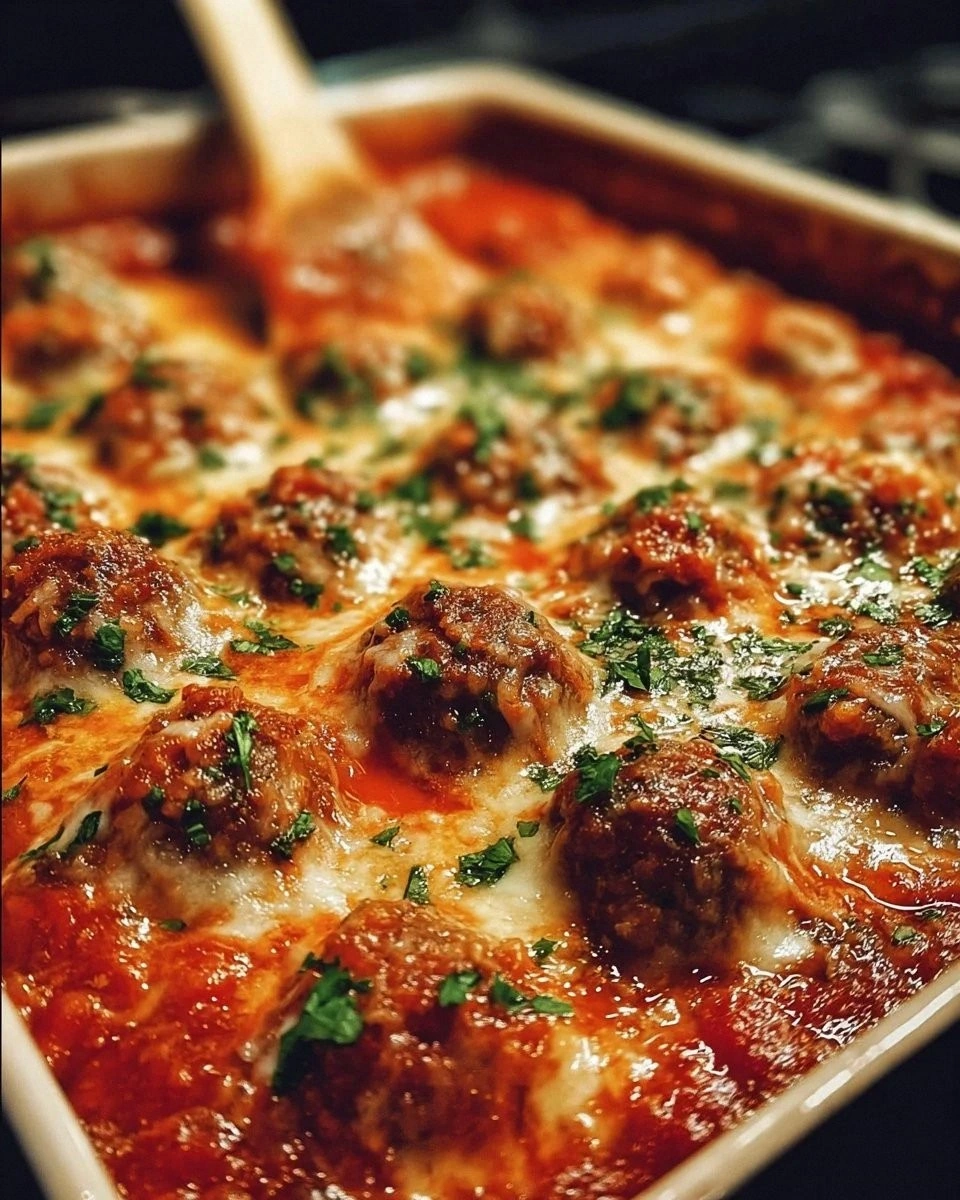
Fast forward three weeks, countless trial‑and‑error sessions, and a pantry that now smells like a Mediterranean market. The moment the sauce hits the pan, it sizzles like a summer fireworks show, and the aroma of garlic and melted cheese rolls out of the oven in a wave that could convince even the most stoic cat to purr. The sauce coats the meatballs like velvet, while the cheese bubbles on top, forming a golden crust that shatters like thin ice when you dig in. I dare you to taste this and not go back for seconds – it’s that good.
What makes this version truly special is a secret technique I discovered while watching a late‑night cooking show: a quick flash‑fry of the meatballs before they bathe in sauce. Most recipes skip this step, resulting in a mushy texture that no one wants. By searing the meatballs first, you lock in juices, create a caramelized exterior, and give the casserole a depth of flavor that’s impossible to achieve otherwise. Most recipes get this completely wrong. Here’s what actually works.
I’ll be honest — I ate half the batch before anyone else got to try it, and that was a mistake because the leftovers turned out even better after a night in the fridge. Picture yourself pulling this out of the oven, the whole kitchen smelling incredible, the cheese bubbling like a volcanic eruption, and the first bite delivering a perfect balance of savory, salty, and a hint of sweet tomato. Okay, ready for the game‑changer? Let me walk you through every single step — by the end, you’ll wonder how you ever made it any other way.
What Makes This Version Stand Out
- Flavor Explosion: The flash‑fry creates a caramelized crust that releases umami compounds, turning every bite into a miniature fireworks display.
- Texture Triumph: A crispy exterior gives way to a juicy, tender interior, delivering that satisfying contrast you crave.
- Simplicity: Only eleven ingredients, all pantry‑friendly, and you don’t need any fancy equipment beyond a skillet and a baking dish.
- Unique Twist: The two‑stage cooking (sear then bake) is the secret that most “easy” recipes skip, making this casserole truly unique.
- Crowd Reaction: Guests often ask for seconds, thirds, and sometimes the whole pan, proving it’s a crowd‑pleaser.
- Ingredient Quality: Using Halal‑certified breadcrumbs and marinara ensures the dish is both inclusive and flavorful.
- Cooking Method: The oven’s gentle heat melds flavors while the initial sear locks in moisture – a perfect harmony.
- Make‑Ahead Potential: Assemble the night before, refrigerate, and bake in the morning for a stress‑free brunch or dinner.
Inside the Ingredient List
The Flavor Base
Ground beef (or a Halal‑friendly chicken/turkey alternative) is the heart of this dish, providing the rich, meaty foundation that carries the sauce. Choose meat with a little fat – about 20% – because the fat renders during the sear, creating that coveted caramelized crust. If you opt for chicken or turkey, add a tablespoon of olive oil to the pan to mimic the beef’s juiciness. Skipping the meat entirely would turn this into a bland veggie bake, and nobody wants that.
Marinara sauce is the soul‑soothing companion that ties everything together. Look for a sauce that lists tomatoes, garlic, and herbs as the first three ingredients, and double‑check for Halal certification if you’re strict about it. The sauce’s acidity balances the richness of the meat, while the herbs add a fresh, aromatic lift. If you use a low‑sugar sauce, you might notice the final dish feeling a touch flat – a pinch of sugar can rescue that.
The Texture Crew
Breadcrumbs act like tiny sponges, soaking up the egg and juices, giving the meatballs structure without making them dense. I recommend using plain, Halal‑certified breadcrumbs; seasoned varieties can throw off the flavor balance. If you’re out of breadcrumbs, crushed crackers or panko work as a swap, but adjust the moisture accordingly. Forgetting the breadcrumbs will result in a crumbly mess that falls apart the moment you cut into it.
Parmesan cheese adds a salty, nutty depth that amplifies the overall umami. The ¼ cup might seem modest, but it’s enough to elevate the flavor profile without overpowering the mozzarella later on. Grating it fresh is crucial – pre‑grated cheese often contains anti‑caking agents that can affect texture. If you’re dairy‑free, a sprinkle of nutritional yeast can mimic the cheesy note.
The Unexpected Star
Garlic and onion powder are the silent heroes that bring a punch of savory aroma without making the batter watery. Minced garlic releases allicin, a compound that gives that unmistakable “garlic‑kick” we all love. Onion powder provides a subtle sweetness that balances the acidity of the marinara. Skipping either will leave the casserole tasting flat and one‑dimensional.
Egg acts as the binder, holding the meatball mixture together during the sear and bake. A single large egg is perfect for a pound of meat; too many eggs make the mixture rubbery, while too few cause it to crumble. If you’re allergic to eggs, a flax‑egg (1 tbsp ground flaxseed + 3 tbsp water) works as a vegan binder.
The Final Flourish
Mozzarella cheese crowns the casserole, melting into a gooey blanket that pulls apart in glorious strings. Use a good-quality shredded mozzarella; low‑moisture varieties melt better and give that beautiful golden top. Fresh basil or parsley, added just before serving, injects a burst of herbaceous freshness that cuts through the richness. Omitting the garnish is okay, but you’ll miss that final pop of color and aroma.
Everything's prepped? Good. Let’s get into the real action…

The Method — Step by Step
In a large bowl, combine the ground beef, breadcrumbs, grated Parmesan, minced garlic, onion powder, salt, black pepper, and the large egg. Use your hands (yes, get a little messy) to mix until everything is just combined; over‑mixing will make the meatballs tough. I like to pause halfway and scrape the sides with a spatula to ensure no breadcrumb clumps remain. This is the moment of truth – the mixture should feel slightly sticky but not wet.
Form the mixture into uniform golf‑ball‑size spheres, about 1½ inches in diameter. Uniform size guarantees even cooking; if some are larger, they’ll stay raw inside while the smaller ones become over‑crisp. Place the formed meatballs on a parchment‑lined tray, cover, and let them rest in the refrigerator for 10 minutes. Kitchen Hack: Resting allows the breadcrumbs to fully absorb the egg, resulting in a tender interior.
Heat a large skillet over medium‑high heat and add a splash of olive oil (just enough to coat the bottom). When the oil shimmers, add the meatballs in a single layer, making sure they don’t touch. Sear each side for about 2 minutes until a deep golden crust forms – you’ll hear a satisfying sizzle that signals caramelization. Watch Out: If the pan is too crowded, the meatballs will steam instead of sear, losing that crucial flavor.
Once all sides are beautifully browned, transfer the meatballs to a 9‑x‑13‑inch baking dish. Pour the marinara sauce evenly over the meatballs, ensuring each one is fully submerged. The sauce should bubble gently as you pour – if it’s too thick, add a splash of water or broth to loosen it. Sprinkle the shredded mozzarella over the top, spreading it in an even layer.
Preheat your oven to 375°F (190°C). While the oven warms, give the casserole a quick visual check: the cheese should be glossy, the sauce should be bubbling at the edges, and the meatballs should be peeking through the sauce. If you notice any dry spots, drizzle a teaspoon of olive oil over the surface.
Slide the dish into the oven and bake for 20‑25 minutes, or until the cheese is golden‑brown and the internal temperature of the meatballs reaches 160°F (71°C). Around the 15‑minute mark, rotate the dish for even browning – this is where the magic happens. The edges of the cheese will start pulling away from the sides, a visual cue that the casserole is nearly done.
Remove the casserole from the oven and let it rest for 5 minutes. This resting period allows the juices to redistribute, preventing a dry bite. While it rests, the cheese continues to set, making slicing cleaner. If you’re feeling adventurous, sprinkle fresh basil or parsley now for that final pop of color and aroma.
Serve hot, straight from the dish, with a side of crusty bread or a simple green salad. Encourage your guests to dig in with a spoon and a fork – the sauce is thick enough to cling to the fork, but not so thick that it pools. And there you have it: a casserole that’s both comforting and spectacularly flavorful.
Insider Tricks for Flawless Results
The Temperature Rule Nobody Follows
Most home cooks blast their ovens at 425°F, assuming higher heat equals faster cooking. In reality, 375°F gives the meatballs enough time to finish cooking through without scorching the cheese. A moderate oven also allows the sauce to thicken gradually, preventing a watery bottom. My friend once cranked the heat to 450°F and ended up with burnt cheese and raw centers – a lesson learned the hard way.
Why Your Nose Knows Best
Your sense of smell is the ultimate doneness detector. When the sauce starts to smell caramelized and the cheese releases a nutty, buttery scent, you’re within minutes of perfection. If you hear a faint bubbling sound, that’s the sauce releasing steam – a sign the interior is heating evenly. Trust that nose more than a timer; it’s an ancient kitchen instinct that never fails.
The 5‑Minute Rest That Changes Everything
Resting isn’t just for steaks; this casserole benefits from a brief pause after exiting the oven. Those five minutes let the protein fibers relax and the cheese set, which means cleaner slices and less juice loss on the plate. Skipping this step results in a soggy mess that slides off the fork. I always set a timer – patience truly is a virtue here.
Secret Ingredient: A Splash of Milk
Adding a quarter cup of whole milk to the meatball mixture before forming creates a silkier texture. The milk’s lactose interacts with the proteins, yielding a tender bite that’s hard to achieve with water alone. If you’re dairy‑intolerant, use almond milk – the result is still noticeably softer.
The “Double‑Layer” Cheese Trick
Instead of dumping all the mozzarella at once, split it into two portions. Sprinkle half before baking, then add the remaining half during the last five minutes of cooking. This creates a base layer that melts into the sauce and a top layer that browns beautifully, giving you both gooeyness and a crisp finish. Kitchen Hack: For extra crunch, toss a tablespoon of panko into the final cheese layer.
Creative Twists and Variations
This recipe is a playground. Here are some of my favorite ways to switch things up:
Spicy Jalapeño Kick
Finely dice two jalapeños and mix them into the meatball batter. The heat pairs beautifully with the sweet tomato sauce, and the green specks add visual intrigue. Perfect for those who like a little fire without overwhelming the palate.
Mediterranean Olive & Sun‑Dried Tomato
Stir in a quarter cup of chopped Kalamata olives and a tablespoon of sun‑dried tomatoes into the sauce before baking. The briny olives and sweet tomatoes add a sophisticated Mediterranean twist that impresses even the pickiest eaters.
Cheesy Bacon Bliss
Crisp up six strips of bacon, crumble them, and fold half into the meatball mixture. Sprinkle the remaining bacon on top of the mozzarella before baking. The smoky crunch elevates the dish to a new level of indulgence.
Veggie‑Loaded Version
Add one cup of finely grated zucchini and half a cup of shredded carrots to the meatball mixture. The veggies add moisture and a subtle sweetness, making the casserole a bit lighter while still satisfying.
Herb‑Infused Goat Cheese
Swap half of the mozzarella for soft goat cheese mixed with fresh thyme. The tangy goat cheese melts into creamy pockets, offering a luxurious mouthfeel that pairs beautifully with the robust meat.
Gluten‑Free Alternative
Replace breadcrumbs with gluten‑free oat flour or almond meal. The texture changes slightly, becoming a bit denser, but the flavor remains bold. Ensure your marinara is also gluten‑free to keep the dish truly safe.
Storing and Bringing It Back to Life
Fridge Storage
Allow the casserole to cool to room temperature (no more than two hours), then cover tightly with foil or a reusable lid. It will keep fresh for up to four days. When reheating, sprinkle a thin layer of water over the top and cover with foil to prevent the cheese from drying out.
Freezer Friendly
Portion the cooled casserole into freezer‑safe containers, leaving a half‑inch of headspace. Freeze for up to three months. To reheat, thaw overnight in the fridge, then bake at 350°F (175°C) for 20‑25 minutes, adding a splash of water before covering with foil.
Best Reheating Method
The secret to reviving this dish is steam. Place a small ramekin of water on the lower rack of a preheated oven (375°F) and heat the casserole for 10‑12 minutes, uncovered. The steam keeps the meatballs moist and the cheese beautifully melty, as if you just baked it fresh.