Last Tuesday, I set my kitchen on fire. Not in the romantic, flickering-candle sense—more in the "why is the smoke alarm narrating my life" sense. I was chasing a dragon of a craving: ramen that punched harder than a K-pop chorus, broth that glowed like molten rubies, chicken that tasted like it had been personally blessed by a phoenix. Three take-out containers lay in my recycling bin, each one a gravestone for mediocre attempts at spicy ramen. Somewhere between the charred garlic and the volcanic coughing fit, I had a revelation that changed everything. What if the heat wasn't just a dare, but a symphony? What if the burn built slowly, bass-note deep, then bloomed into layers of smoky, tangy, umami-rich bliss that made your forehead glow but your heart sing? I scribbled blueprints while waving smoke away from my cat, convinced I could tame the inferno. By midnight, the ladle in my hand felt like a wand, and the broth—deep, glossy, impossibly red—tasted exactly like the daredevil spirit of Tokyo back-alleys I'd fallen in love with years ago. Friends still talk about that first successful batch the way people talk about their first concert: a little terrifying, completely addictive, impossible to forget. I ended up eating three bowls standing up, noodles slapping my chin, broth dripping onto the counter, swearing softly between each bite because anything that hurts that good deserves reverence. If you've ever chased perfect spicy ramen and been disappointed by watery, one-note bowls that taste like hot-for-hot's-sake, stay with me here—this one is worth every scorched pan and every ecstatic tear.
Most recipes treat gochujang like a guest star; I treat it like the lead actor, the director, and the entire production crew. Instead of a polite teaspoon, we're gliding in a full, swaggering tablespoon, letting it caramelize against the pot until the kitchen smells like a Korean barbecue ran head-first into a sesame-roasted dream. The trick is coaxing out its fruity, fermented complexity before drowning it in broth, so the chili paste becomes a bass line rather than a shrill solo. Add soy for depth, rice vinegar for brightness, sesame oil for nutty perfume, ginger and garlic for sparkle, and suddenly you've got layers that play tug-of-war on your palate—sweet, salty, tangy, roasty, spicy, all at once. Picture yourself pulling this out of the oven—okay, off the stovetop—steam curling like red silk, the noodles glossy and alive, the chicken so tender it practically signs autographs. Your neighbors will knock. Your cat will stare in betrayal because you won't share. And you'll hover protectively over your bowl, slurping faster than polite society allows, because some pleasures refuse to be civilized.
Okay, ready for the game-changer? We're going to double-decker the heat: a slow-building chili base in the broth and a quick sear of marinated chicken that carries its own little flame-thrower vibe. That marinade is where the magic percolates—soy, gochujang, sesame oil, ginger, garlic—turning supermarket chicken into something that tastes like it danced through night markets at 2 a.m. The first bite is a warm handshake; the second is a dare you can't back down from; the third is pure addiction. I dare you to taste this and not go back for seconds—actually, thirds—while promising yourself you'll do an extra lap at the gym tomorrow. Spoiler: you'll skip the gym, slurp happily, and spend the evening plotting your next bowl. Let me walk you through every single step—by the end, you'll wonder how you ever made it any other way.
What Makes This Version Stand Out
Depth Charge: We bloom gochujang in hot oil until it darkens and smells almost like bittersweet chocolate, unlocking sugars and fermented funk that watery dump-and-stir methods completely miss. The result is a broth with bass-note complexity rather than shallow heat.
Two-Wave Spice: The marinade provides a bright, zippy top note while the slow-simmered broth delivers a mellow, lingering burn. Each spoonful crests and recedes like proper waves instead of slapping you once and leaving.
Chicken That Thinks It's Steak: A hard, fast sear in a ripping-hot pan creates caramelized edges that shatter like thin ice, yet the inside stays juicy thanks to a soy-powered brine. You get contrast in every bite—no rubbery sadness allowed.
Nest of Chew: Fresh ramen noodles cook in the same iron-rich broth for the final minute, soaking up flavor without turning soggy. If you can only find dried, we revive them with baking-soda water for that authentic springy bounce.
Make-Ahead Friendly: The broth improves after a night in the fridge, letting the chili and garlic honeymoon overnight. Prep your toppings while it reheats, and dinner hits the table faster than delivery.
No Specialty Store Required: Gochujang lives in most supermarket Asian aisles now, and kombu is optional. We're building big flavor from humble staples, so you won't hunt down esoteric spices that collect dust later.
Alright, let's break down exactly what goes into this masterpiece...
Inside the Ingredient List
The Flavor Base
Gochujang is the crimson engine of this operation, a fermented Korean chili paste that's smoky, slightly sweet, and packed with glutinous-rice umami. Buy the tub that lists chili, rice, and fermented soy as the first ingredients—avoid anything with corn syrup hogging the spotlight. Soy sauce lays down a salty backbone; use low-sodium so you can reduce aggressively without the broth turning into a salt lick. Rice vinegar isn't just for brightness—it lifts the heavy flavors so the spoon doesn't feel like it's bench-pressing your tongue. Sesame oil should smell nutty, not rancid; give the bottle a sniff—if it reminds you of peanut butter left in a hot car, leave it on the shelf.
The Texture Crew
Chicken breasts get a bad rap for drying out, but we're slicing them thin and marinating just long enough for the salt and soy to season, not mush-ify. If you've ever struggled with leathery chicken, you're not alone—and I've got the fix: a screaming-hot pan and leaving the meat alone until it develops a crust. Fresh ramen noodles are springy gold; if they're unavailable, spaghetti boiled with ½ teaspoon of baking soda per quart mimics the alkaline snap. Soft-boiled eggs provide that Instagram-ready lava flow; cook them for exactly six and a half minutes, then plunge into ice water to stop the simmer. Corn kernels pop with sweet juice against the spicy broth, and bamboo shoots add a crisp, slightly funky note that screams authentic ramen-ya.
The Unexpected Star
Kombu, a leathery sheet of dried kelp, quietly releases glutamic acids that make the broth feel richer than it is. Skip it and the soup still rocks, but add it and you'll notice a subtle marine sweetness that plays hide-and-seek under the chili heat. Scallion whites go into the simmer for earthy backbone, while the greens stay fresh for a bright finish. Garlic gets smashed rather than minced because aggressive chopping can trigger bitter compounds; we want sweet, roasted vibes instead. Mirin, a sweet rice wine, rounds sharp corners and adds a glossy sheen that makes the broth look like it's wearing lip gloss.
The Final Flourish
Nori strips deliver oceanic perfume and a delicate crunch that dissolves on the tongue. Sesame seeds should be toasted until they smell like popcorn; anything paler is just decorative gravel. A final drizzle of chili oil amps the aroma—warm the oil with star anise and cinnamon first for spice-market complexity, then fish out the aromatics so they don't hijack the bowl. If you like your heat borderline punitive, sprinkle a pinch of Sichuan peppercorns; they'll buzz your lips like a tiny electrical storm.
Everything's prepped? Good. Let's get into the real action...
The Method — Step by Step
- Start the chicken marinade by whisking soy sauce, gochujang, rice vinegar, sesame oil, grated ginger, minced garlic, and black pepper in a bowl the color of molten brick. Lay the chicken breasts between two sheets of parchment and pound them to an even ½-inch thickness; this isn't aggression therapy, it's science—uniform thickness equals uniform cooking. Slide the chicken into the marinade, turning to coat every crevice, then cover and refrigerate for at least 15 minutes while you build the broth. Don't push past two hours or the salt will start curing the meat, giving it a hammy texture.
- Set a heavy pot over medium heat and drizzle in a teaspoon of neutral oil. When the oil shimmers like a mirage, scrape in the remaining gochujang; it should sizzle and darken from bright lipstick to oxblood within 90 seconds. Stir constantly—this next part is pure magic—as the sugars caramelize and the air fills with smoky, slightly fruity perfume that will make you close your eyes involuntarily.
- Pour in chicken broth and water, then add soy, mirin, sesame oil, sliced ginger, smashed garlic, scallion whites, kombu, and optional red-pepper flakes. Bring to a gentle simmer, never a rolling boil—think Jacuzzi bubbles, not jacuzzi jets. Let it murmur for 20 minutes so the flavors mingle like strangers at a rooftop party who leave best friends.
- While the broth lazes, heat a cast-iron pan on high until a flick of water evaporates instantly. Sear the marinated chicken for 3 minutes per side; resist the urge to nudge it—crust forms through trust. You'll see the edges caramelize into sticky, crimson-black lacquer that smells like Seoul street food. Transfer to a plate to rest; the carry-over heat finishes the interior while juices reabsorb instead of bleeding out into your cutting board.
- Strain the broth through a fine mesh, pressing on the solids like you're wringing secrets from them. Return the liquid to the pot and keep hot on the lowest flame; you want a gentle sigh, not volcanic turbulence. Taste—if it makes you raise an eyebrow and smile at the same time, you've nailed the sweet-heat balance.
- Cook your ramen noodles in the broth for the final minute; fresh noodles need only 60 seconds of that chili jacuzzi to drink up flavor. If using dried, cook separately in salted baking-soda water, then rinse and briefly rewarm in the broth so they don't sponge away your precious soup.
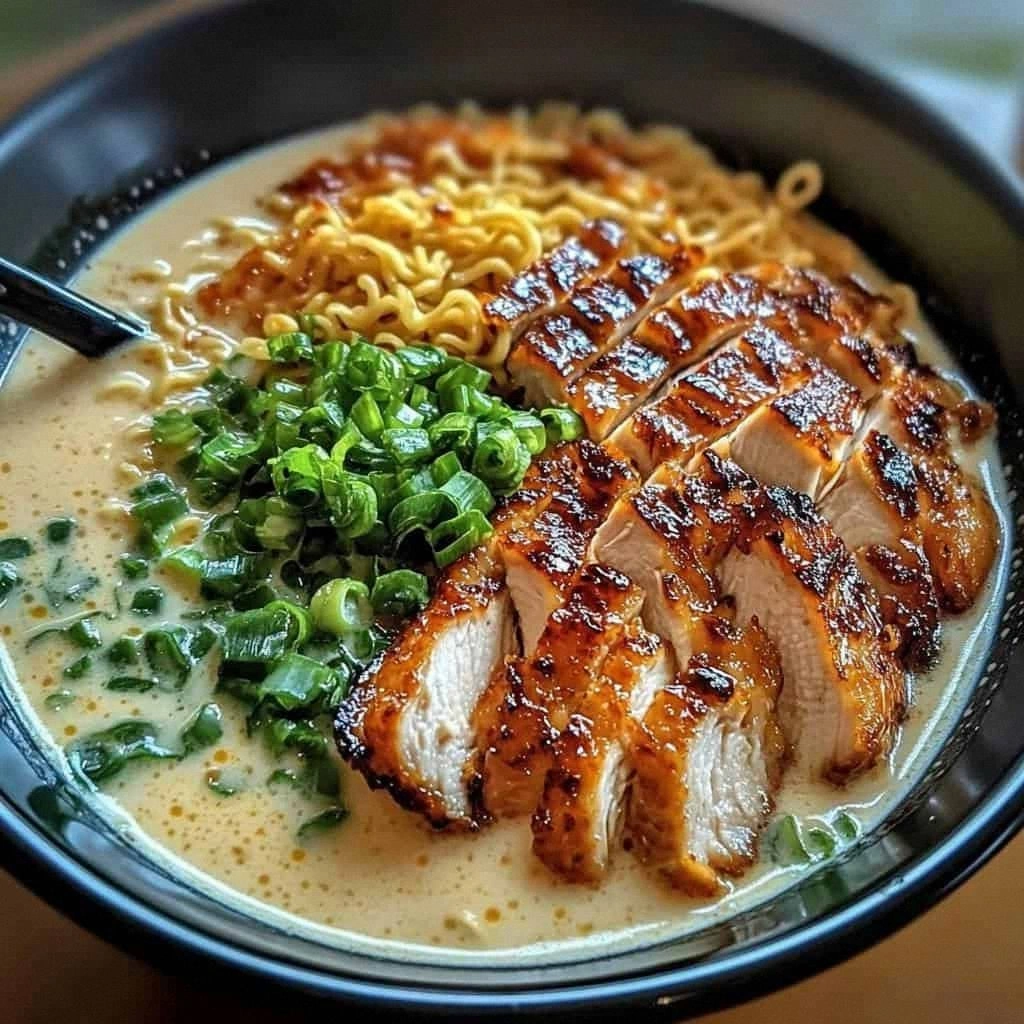
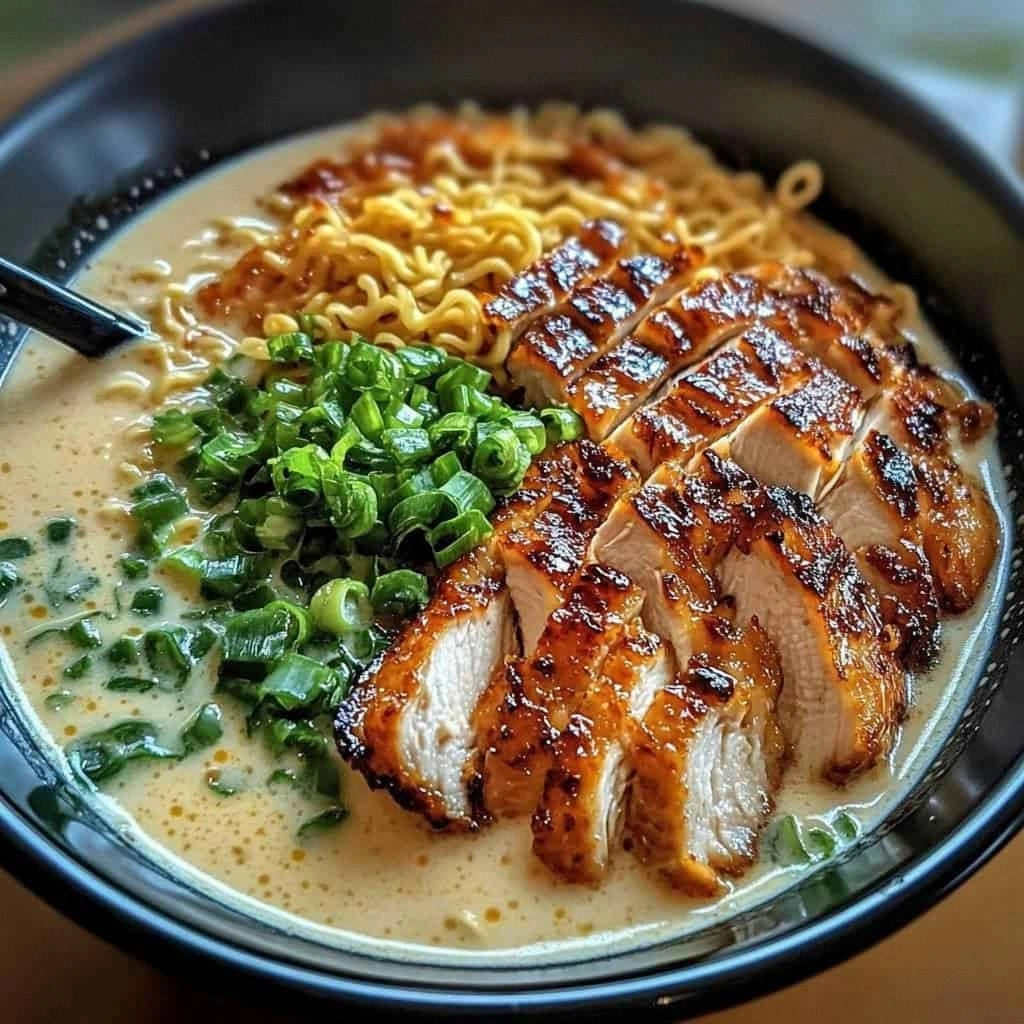
- Slice the rested chicken on a bias into juicy planks that reveal a pale-gold center. Fan them over the noodles like you're dealing winning cards. Arrange soft-boiled egg halves, corn kernels, bamboo shoots, and nori strips with the casual confidence of someone who knows beauty tastes better. Shower with sesame seeds and finish with a slow-motion drizzle of chili oil that blooms across the surface like a lava lamp.
- Bring the bowls to the table immediately; ramen waits for no Instagram filter. Slurp loudly—yes, it's culturally correct—and let the first spoonful write fiery calligraphy across your palate. The broth should coat the noodles like velvet, each bite building from warm handshake to passionate crescendo. If your forehead glows pleasantly and your taste buds stand at attention, you've landed in the sweet spot between pain and pleasure.
That's it—you did it. But hold on, I've got a few more tricks that'll take this to another level...
Insider Tricks for Flawless Results
The Temperature Rule Nobody Follows
Most home cooks serve ramen lukewarm because they forget that every component steals heat. Warm your bowls by filling them with boiling water for 30 seconds, then dump and dry; this tiny step keeps the broth singing hot to the last slurp. Likewise, have your toppings at room temp so they don't chill the soup like tiny icebergs. Think of heat as currency—budget it wisely and your final bowl feels luxurious instead of tepid.
Why Your Nose Knows Best
Before serving, lean over the pot and inhale deeply; you should get sesame first, then fermented chili, then a whiff of oceanic sweetness. If any aroma dominates—too much vinegar or a harsh singe—adjust with pinches of sugar or drops of water. Your nose is a faster diagnostic tool than tasting because smell detects volatile compounds instantly. Trust it like a built-in quality control manager who never takes coffee breaks.
The Five-Minute Rest That Changes Everything
After assembling, let the bowl sit for exactly five minutes. The noodles absorb just enough broth to swell with flavor but stay springy, while the chicken relaxes into juicy submission. A friend tried skipping this step once—let's just say it ended with broth-sloshed tables and under-seasoned noodles. Patience here is the difference between good ramen and restaurant-quality ramen that makes you close your eyes involuntarily.
Spice Calibration Without Fear
Gochujang brands vary wildly—taste yours first. If it makes you cough, pull back a teaspoon and add it later; if it's mellow, live dangerously. Remember, you can always drizzle chili oil at the end, but you can't un-spice a lava broth. Keep a sidecar of cooling corn kernels or a dollop of Kewpie mayo to tame rogue heat for cautious guests.
Creative Twists and Variations
This recipe is a playground. Here are some of my favorite ways to switch things up:
Thai Coconut Blaze
Replace 2 cups of broth with full-fat coconut milk and add a stalk of lemongrass smashed with the flat of a knife. Finish with lime zest and Thai basil; the coconut smooths the gochujang's edges into a silky, tropical heat that feels like a beach party during a lightning storm.
Miso Smoke Show
Stir in a tablespoon of red miso during the last five minutes for extra umami depth. The fermented soybean funk marries with Korean chili paste like long-lost cousins reuniting over sake and soju. Top with a pat of butter for glossy J-pop shine that makes the whole bowl taste mysteriously richer.
Sichuan Pepper Pop
Toast a teaspoon of Sichuan peppercorns until fragrant, then grind and sprinkle just before serving. The citrusy numbing sensation plays electric guitar against the gochujang's drumbeat, creating a tingling duet that'll have your lips buzzing like you've kissed a nine-volt battery.
Green Verde Volcano
Swap gochujang for a purée of tomatillos, jalapeños, and poblano, then add a handful of cilantro stems to the broth. The resulting neon-green soup tastes like Mexico City meets Seoul after midnight—tangy, herby, with a slow burn that blooms minutes after you swallow.
Vegan Firestorm
Use silken tofu slabs seared in chili oil instead of chicken, and replace chicken broth with mushroom dashi. The tofu soaks up the spicy broth like edible sponges, offering creamy pockets that soothe while the chili keeps swinging. Even carnivores inhale this version and leave five-star reviews.
Breakfast Ramen Rebel
Add a slice of American cheese and a runny fried egg on top. The cheese melts into stretchy ribbons that tame the heat, while the egg yolk becomes silky sauce. Sounds wild, but it's a Korean-American diner staple that hits the same comforting notes as grilled cheese with tomato soup—only with way more swagger.
Storing and Bringing It Back to Life
Fridge Storage
Store the strained broth separately from noodles and toppings in airtight containers; combining them turns everything into a soggy time bomb after 24 hours. Broth keeps for four days, but the flavor peaks at day two when the chili and garlic have finished their slow dance. Chicken stays juicy for three days if refrigerated promptly in a lidded bowl with a splash of broth poured over like a protective blanket.
Freezer Friendly
Freeze the broth in muffin trays for easy two-inch pucks; pop them out, bag them, and you've got portion-controlled firebombs ready for instant cravings. They'll keep three months without flavor fade; thaw overnight in the fridge or defrost in a saucepan over gentle heat. Don't freeze noodles—they emerge from the ice like fragile, heartbroken strands. Cook fresh when needed.
Best Reheating Method
Reheat the broth slowly, never in a microwave blast that separates fat and turns aromatics bitter. Add a splash of water to loosen it, then warm over medium-low until the first lazy bubbles appear. Reassemble with freshly cooked noodles and room-temperature toppings; the contrast of hot broth and cool garnishes recreates the restaurant experience. If you've ever struggled with reheated ramen tasting flat, you're not alone—and I've got the fix: a squeeze of fresh lime and a drop of toasted sesame oil right before serving revives the chorus like hitting refresh on your browser.