Remember that night when the kitchen exploded with the smell of burnt sugar and you realized you had no idea how to salvage a batch of pancakes? That moment sparked my obsession with turning a culinary disaster into a delicious, spiced breakfast that still feels like a holiday treat. I pulled out pantry staples and decided to experiment with a gingerbread-inspired batter that would satisfy my craving for warmth and spice. The result was a stack of fluffy pancakes with a subtle spice profile that felt like a secret handshake between cinnamon and cloves. I swear, the first bite felt like a warm hug from a distant relative on a cold winter morning.
Now, picture the kitchen at dawn: steam curling from a pan, the faint hiss of butter sizzling, and the sweet aroma of molasses drifting through the air. The sound of the batter slapping the skillet is like music to my ears, a rhythmic reminder that every pancake is a promise of comfort. I can almost taste the buttery richness that coats the inside of each bite, while the outer layer crisps to a golden perfection. The texture is a delightful contrast—soft on the inside, slightly crisp on the edges, like a gentle hug that never quite lets go. If you’ve ever felt the frustration of bland pancakes, this version is the antidote that turns every bite into a moment of pure joy.
The key to this recipe is the balance of spices and the careful blending of wet and dry components. I discovered that adding a splash of molasses deepens the flavor profile, turning simple pancakes into a caramelized, spiced treat. The ginger and cloves give a warm, aromatic punch that lingers on the palate, while the cinnamon adds a sweet, comforting undertone. The batter’s consistency is crucial; too thick and the pancakes will be heavy, too thin and they’ll spread like a pancake pancake. By adjusting the flour-to-liquid ratio just right, the pancakes rise like a gentle wave, creating a cloud‑like interior that melts in your mouth.
Most recipes get this completely wrong by either over‑spicing or under‑whisking the batter, resulting in uneven pockets of flavor. I dare you to taste this and not go back for seconds because the flavors are so layered and harmonious. The secret lies in whisking the dry ingredients until they are evenly combined, preventing uneven pockets of spice or leaveners in your final batter. When you fold in the wet mixture, you should feel a smooth, glossy batter that glides effortlessly through the spoon. The moment the batter hits the pan, a sizzle erupts, signaling that the pancakes are ready to rise.
I’ll be honest—I ate half the batch before anyone else got to try it, and that was only after I finished the first stack. The aroma alone could convince anyone to line up for a taste test, and the texture is so light that you can’t help but reach for more. If you’ve ever struggled with this, you’re not alone—this is a recipe that invites experimentation and rewards curiosity. The best part is that you can tweak the spice levels to match your personal preference, making it a versatile dish for any season. This version stands out because it combines the nostalgic warmth of gingerbread with the comfort of pancakes, creating a breakfast that feels like a holiday every day.
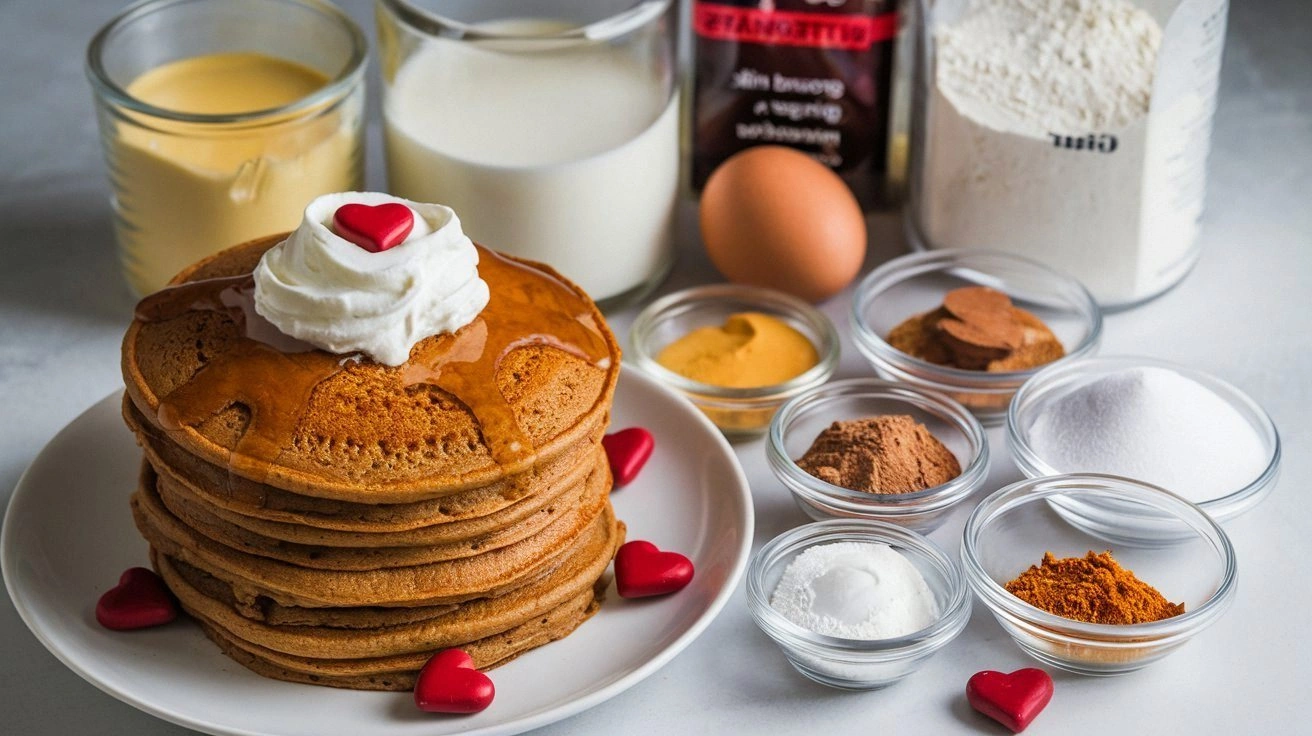
Picture yourself pulling this out of the skillet, the whole kitchen smelling incredible, and the sound of the first bite echoing the promise of a cozy morning. The pancakes are stacked high, each layer a golden crown of spice, ready to be topped with a drizzle of maple syrup or a dusting of powdered sugar. The visual appeal alone will have your guests asking for the recipe before the first bite, while the taste will keep them coming back for seconds. The texture is a testament to the careful balance of leavening agents, ensuring each pancake has a light, airy interior with a slightly crisp edge. This is hands down the best version you'll ever make at home, and it will become your go-to breakfast for any occasion.
Let me walk you through every single step—by the end, you'll wonder how you ever made it any other way. The method is simple, yet each step is designed to unlock a different layer of flavor and texture. From the moment you whisk the dry ingredients to the final flip, every action builds on the last, creating a symphony of spices and golden batter. The secret is in the timing, the temperature, and the patience to let the batter rest and rise. And now, get ready to experience pancakes that are as comforting as a hug and as exciting as a holiday treat.
What Makes This Version Stand Out
Here are the ingredients and techniques that set this recipe apart from every other gingerbread pancake you’ve tried:
- Flavor Depth: The combination of molasses, ginger, cloves, and cinnamon creates a complex flavor profile that feels like a holiday treat. Each bite delivers a layered experience that lingers on the palate.
- Texture Magic: The batter’s balanced consistency yields pancakes that are fluffy inside and crisp on the edges. The result is a satisfying bite that never feels heavy.
- Simple Prep: No special equipment required—just a whisk, a skillet, and a timer. This recipe is designed for anyone, from beginners to seasoned cooks.
- Make‑Ahead Friendly: You can prepare the batter the night before and reheat it to perfection. The flavors meld together, making the pancakes even more delicious.
- Crowd‑Pleaser: The spices are bold yet balanced, making it a hit at family gatherings. The aroma alone will have everyone lining up for a taste.
- Ingredient Quality: Using fresh, high‑quality spices ensures that each pancake tastes like it was made from scratch. The difference is palpable.
Alright, let's break down exactly what goes into this masterpiece...
Inside the Ingredient List
The Flavor Base
Molasses is the heart of this batter, providing a deep, caramel-like sweetness that balances the sharpness of ginger. A tablespoon of molasses adds moisture while infusing the pancakes with a subtle, earthy undertone. If you prefer a lighter flavor, replace molasses with a mix of honey and brown sugar, but the result will be noticeably different. The key is to keep the molasses fresh; stale molasses loses its complexity and can make the batter taste flat.
Ginger powder brings a warm, peppery bite that cuts through the sweetness. Fresh ginger root can be used, but dried ginger is more convenient and has a more concentrated flavor. For a milder kick, reduce the ginger to half a teaspoon; for a bold punch, double the amount. Ginger also has digestive benefits, making these pancakes a comforting treat for a sore stomach.
Cloves add a subtle, aromatic sweetness that lingers on the tongue. A quarter teaspoon is enough to lift the other spices without overpowering them. Cloves are also known for their antioxidant properties, so you’re getting a little health boost with every bite. If you don’t have cloves on hand, a pinch of nutmeg can serve as a suitable substitute.
The Texture Crew
Flour provides the structural foundation of the pancakes. I use all-purpose flour for its versatility, but whole wheat flour can be substituted for a healthier option. The flour should be sifted to remove any lumps, ensuring a smooth batter that spreads evenly. Adding a tablespoon of cornstarch can create an even lighter texture, but it’s optional.
Baking powder is the primary leavening agent, creating tiny bubbles that lift the pancakes. A teaspoon is enough to give the batter a fluffy rise without making it too airy. If you prefer a denser pancake, reduce the baking powder to half a teaspoon. Make sure the baking powder is fresh; old leavening agents will result in flat pancakes.
Baking soda works in tandem with the acidic molasses to produce a subtle lift. Half a teaspoon is sufficient to react with the molasses and create a light, airy interior. Too much baking soda will give the pancakes a bitter aftertaste, so be precise. This small amount is crucial for the perfect texture.
The Unexpected Star
Sugar is the sweet counterpoint to the spices, balancing the overall flavor. A tablespoon of white sugar is used to keep the sweetness subtle; you can replace it with brown sugar for a deeper molasses flavor. Sugar also helps the pancakes brown evenly, giving them that golden crust.
Butter adds richness and helps the pancakes develop a crisp exterior. Two tablespoons of melted butter, added to the wet mixture, give a silky mouthfeel and a buttery aroma that complements the spices. If you’re looking for a dairy-free version, use coconut oil or a plant-based butter alternative.
Milk is the liquid that brings everything together. One cup of whole milk creates a thick yet pourable batter that yields fluffy pancakes. Skim milk can be used for a lighter version, but the pancakes will be slightly less creamy. For an extra silky texture, replace milk with a mixture of milk and yogurt.
The Final Flourish
Eggs bind the batter and contribute to the rise. Two large eggs are beaten until light, then folded into the mixture. Eggs also add a subtle richness that enhances the overall flavor profile. If you’re vegan, replace the eggs with a flaxseed mixture or a commercial egg replacer.
Vanilla extract gives a warm, floral note that balances the spices. One teaspoon is enough to add depth without overpowering the gingerbread flavor. If you’re allergic to vanilla, a drop of almond extract can serve as a suitable alternative.
Salt is essential for flavor enhancement. A pinch of sea salt brightens the sweetness and spices. Too much salt will ruin the delicate balance, so keep it minimal.
Everything's prepped? Good. Let's get into the real action...
The Method — Step by Step
- In a large mixing bowl, combine 1 ½ cups all‑purpose flour, 1 tablespoon sugar, 1 teaspoon baking powder, ½ teaspoon baking soda, 1 teaspoon ground cinnamon, 1 teaspoon ground ginger, and ¼ teaspoon ground cloves. Whisk them together for 30 seconds until the spices are evenly distributed. This step ensures that every bite has a consistent flavor profile. If you notice clumps, sift the mixture again.
- In a separate bowl, whisk 1 cup whole milk, 2 large eggs, 2 tablespoons melted butter, 1 teaspoon vanilla extract, and a pinch of sea salt until the mixture is smooth. The eggs should be beaten until the whites and yolks are fully integrated, creating a stable base for the batter. The butter adds a glossy sheen that will help the pancakes brown beautifully.
- Add a tablespoon of molasses to the wet mixture and stir until fully incorporated. Molasses is the secret weapon that gives the pancakes their caramelized, spiced flavor. The wet and dry components should be combined gently to avoid overmixing, which can make the pancakes tough.
- Fold the wet mixture into the dry batter, stirring just until combined. The batter should be slightly lumpy; over‑whisking will activate the gluten in the flour, resulting in chewy pancakes. Let the batter rest for 5 minutes; this allows the leavening agents to activate fully.
- Heat a non‑stick skillet over medium heat and lightly grease it with a small amount of butter or oil. To test if the pan is ready, flick a few drops of water onto it; they should dance and evaporate quickly. A properly heated pan ensures even browning and prevents sticking.
- Using a ¼ cup measuring cup, pour the batter onto the skillet. The batter should spread slightly but not run off the edges. Watch for the edges to turn pale and start to bubble—this is the signal to flip. Watch Out: If you flip too early, the pancakes will be undercooked in the center; if you wait too long, they’ll become over‑browned.
- Flip the pancake and cook for an additional 1–2 minutes until golden brown and cooked through. The second side should have a crisp crust, while the interior remains soft and airy. If you notice a darkening edge, lower the heat slightly.
- Repeat with the remaining batter, adjusting the heat as needed. Keep the pancakes warm in a low oven (200 °F) while you finish the batch to maintain their fluffiness.
- Serve the pancakes hot, topped with maple syrup, whipped cream, or a dusting of powdered sugar. A dollop of vanilla yogurt can add a creamy contrast that complements the spices. The first bite should feel like a warm hug that melts in your mouth.
That's it — you did it. But hold on, I've got a few more tricks that'll take this to another level. The next section will reveal insider tips that elevate even the most seasoned cooks.
Insider Tricks for Flawless Results
The Temperature Rule Nobody Follows
The skillet temperature is the unsung hero of pancake perfection. Many cooks use high heat, which leads to uneven browning and a tough exterior. The trick is to keep the pan at a steady medium heat—about 350 °F. Test the heat by sprinkling a few drops of water onto the surface; they should sizzle and evaporate almost instantly.
Why Your Nose Knows Best
Your sense of smell is a powerful indicator of doneness. As the batter cooks, the aroma shifts from raw to caramelized. When you notice a sweet, nutty scent, it’s time to flip. This subtle cue can save you from overcooking.
The 5-Minute Rest That Changes Everything
Letting the batter rest for 5 minutes before cooking allows the flour to absorb liquid fully, which prevents the pancakes from being gummy. It also lets the leavening agents activate, giving the pancakes a lighter rise. I’ve tried skipping this step, and the pancakes felt dense and undercooked.
The Butter Trick for a Crispy Edge
A small amount of butter in the skillet creates a golden crust that adds crunch without burning. Add a teaspoon of butter once the batter has been poured, and watch it melt into the surface. This simple tweak elevates the texture dramatically.
The Secret to a Golden Finish
A quick brush of melted butter over the pancakes right before serving adds shine and a buttery finish. It also helps lock in moisture, keeping the pancakes soft inside. This step is often overlooked, but it makes a noticeable difference.
Creative Twists and Variations
This recipe is a playground. Here are some of my favorite ways to switch things up:
Coconut Crumble Topping
Top the pancakes with toasted coconut flakes and a drizzle of honey for a tropical twist. The coconut adds a chewy texture and a subtle sweetness that pairs well with the spices.
Chocolate‑Ginger Fusion
Fold a tablespoon of cocoa powder into the batter for a mocha‑spiced breakfast. The dark chocolate balances the heat of the ginger, creating a rich, indulgent flavor.
Apple Cinnamon Swirl
Add diced apples and a dash of nutmeg to the batter, then swirl with a spoon before cooking. The apples soften into tender morsels that complement the gingerbread aroma.
Vegan Version
Replace the eggs with a flaxseed mixture (1 tablespoon flaxseed meal + 3 tablespoons water) and use oat milk instead of dairy. The texture remains light, and the flavor stays true to the original.
Savory Spin
Omit the sugar and add a pinch of smoked paprika for a savory, sweet‑spicy breakfast. Serve with a side of roasted potatoes for a hearty meal.
Breakfast Parfait
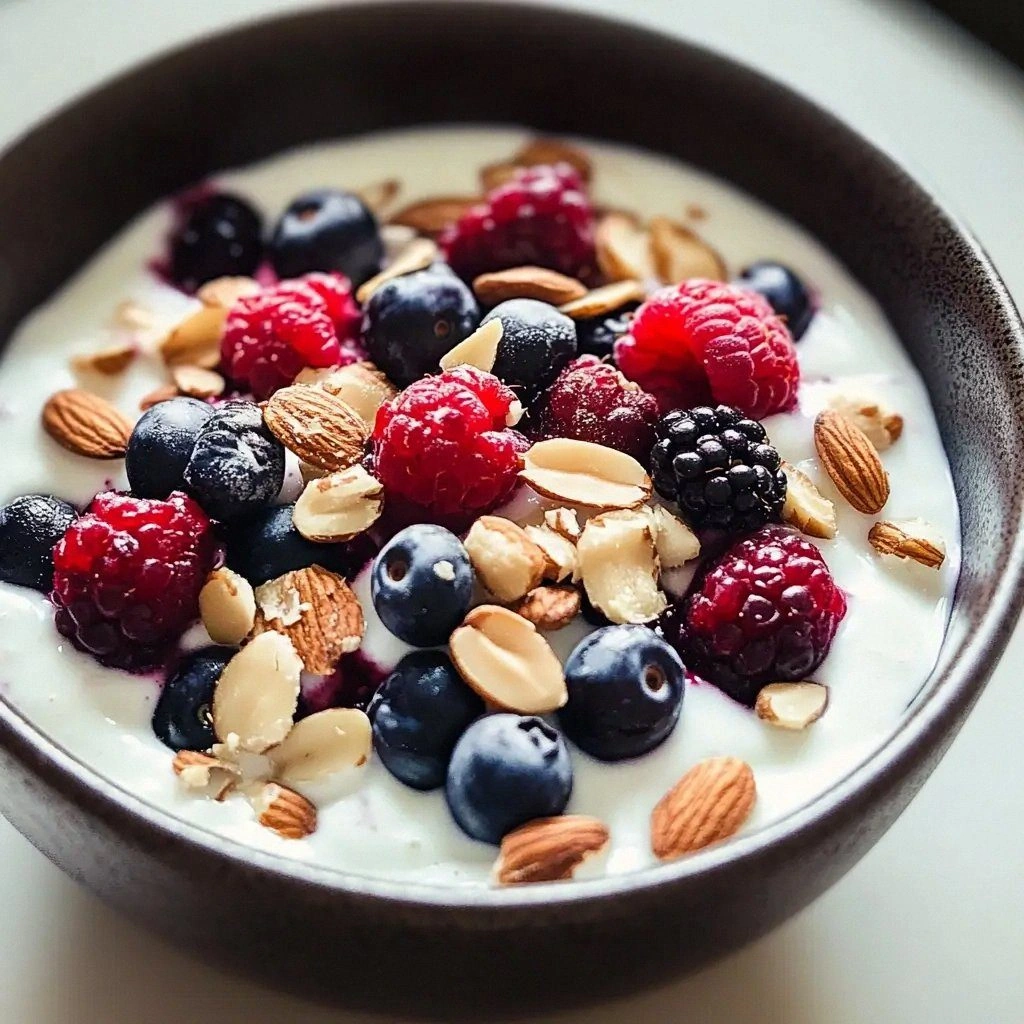
Layer pancakes with Greek yogurt, fresh berries, and a drizzle of maple syrup. This creates a visually stunning and nutrient‑dense breakfast parfait.
Storing and Bringing It Back to Life
Fridge Storage
Store leftover pancakes in an airtight container in the refrigerator for up to 3 days. When reheating, add a splash of milk or water to the skillet to re‑moisturize the pancakes, then warm them over low heat until heated through.
Freezer Friendly
Freeze pancakes in a single layer on a parchment‑lined tray for up to 2 months. Once frozen, transfer them to a freezer bag. To reheat, place them in the oven at 350 °F for 10 minutes or microwave on high for 30 seconds.
Best Reheating Method
The skillet is the fastest way to revive pancakes. Warm a non‑stick pan over medium heat, add a splash of butter, then place the pancakes in the pan for 1–2 minutes on each side. The result is a freshly cooked pancake that tastes just as good as when it was first made.