I was halfway through a midnight snack run, juggling a half‑baked naan, a bag of frozen peas, and a recipe card that looked like it belonged on a medieval scroll. The paneer was still cold, the spices were in a jumble, and the kitchen smelled like burnt oil and burnt hope. I stared at the list of ingredients, the faint scent of cumin drifting from the pantry, and decided to throw caution to the wind. In that moment, a spark of culinary rebellion ignited, and I set out to create a paneer tikka masala that would not only rescue my dinner but also rewrite the rules of comfort food.
Picture this: the first sizzle as the neutral oil hits the hot skillet, a hiss that feels like a tiny applause from the stove. The paneer cubes, marinated in a blend of turmeric and cayenne, begin to caramelize, their edges turning a golden amber that glistens like a sunrise on a silver plate. The air fills with the warm, earthy aroma of garam masala, the sharp bite of serrano pepper, and the sweet, mellow undertones of fresh ginger. My tongue anticipates the first bite, a burst of creamy tomato sauce that coats the paneer like velvet, punctuated by a whisper of lemon zest that lifts the dish into a fresh, bright dimension. The texture is a dance of tender paneer, crisp bell pepper, and silky cream, all harmoniously balanced.
What makes this version stand out is not just the careful layering of flavors but the deliberate choice to use neutral‑tasting oil and ghee in a way that elevates the dish without overpowering it. The paneer is marinated just long enough to absorb the spices but not so long that it becomes mushy. The tomato sauce is simmered until it thickens into a glossy base that clings to every morsel. The final splash of heavy cream turns the sauce into a luxurious, cloud‑like finish that feels indulgent yet light. And the lemon, squeezed at the very end, adds a zesty counterpoint that cuts through the richness, making every bite feel fresh and alive.
I dare you to taste this and not go back for seconds. Most recipes get this completely wrong, relying on too much garlic or too little heat. Here’s what actually works: a balanced spice blend, a brief sear for the paneer, and a gentle simmer for the sauce. If you’ve ever struggled with achieving that perfect creamy texture, you’re not alone, and I’ve got the fix. Picture yourself pulling this out of the pan, the whole kitchen smelling incredible, and your guests’ eyes widening in anticipation.
Let me walk you through every single step — by the end, you'll wonder how you ever made it any other way. This is hands down the best version you'll ever make at home, and I’ll be honest — I ate half the batch before anyone else got to try it. And now, stay with me here — this is worth it.
What Makes This Version Stand Out
- Flavor: The combination of neutral oil and ghee creates a subtle base that lets the spices shine without competing for attention.
- Texture: The paneer is seared to a crisp edge while remaining soft inside, a contrast that feels like a satisfying bite.
- Heat: The serrano pepper is used sparingly, delivering just enough bite to excite the palate without overwhelming.
- Creaminess: Heavy cream is folded in at the end, giving the sauce a silky finish that coats the paneer like velvet.
- Freshness: A squeeze of lemon at the last moment adds a bright, citrusy note that lifts the dish.
- Versatility: This recipe can be served over rice, naan, or even tossed with pasta for a fusion twist.
- Time Efficiency: The entire process takes less than an hour, making it perfect for weeknight dinners.
- Make‑ahead Potential: The sauce keeps well in the fridge and can be reheated with a splash of water to restore its silkiness.
Inside the Ingredient List
The Flavor Base
The foundation of this dish is a carefully balanced spice mix that starts with ½ teaspoon turmeric and ¼ teaspoon cayenne. Turmeric lends a warm, earthy undertone, while cayenne provides a subtle kick that awakens the senses. These spices are toasted in 3 tablespoons of neutral‑tasting oil, releasing their aromas and creating a fragrant bed for the paneer. If you skip this step, the sauce will lack depth and the dish will feel flat. Swap turmeric with ground ginger for a slightly different profile, but keep the cayenne for that essential heat.
The Texture Crew
Paneer is the star of the show, and its texture is paramount. Fresh paneer, cut into 1‑inch cubes, should be drained and patted dry before marination. 16 ounces of paneer will yield four generous servings. The paneer is coated with the spice mix and a pinch of salt, then left for 15 minutes to absorb the flavors. When cooked, the outer layer crisps up, while the inside remains silky and soft. If you use low‑fat paneer, the texture will be more rubbery, so stick to full‑fat for the best results.
The Unexpected Star
Dried fenugreek leaves (1 tablespoon) might seem like a minor detail, but they introduce a subtle bitterness that balances the richness of the cream. Fenugreek is a staple in many Indian dishes, often used in small quantities to add depth. If you can't find it, substitute with a pinch of dried oregano, but be prepared for a different flavor profile. The green bell pepper adds crunch and a sweet freshness that cuts through the heaviness of the sauce.
The Final Flourish
The heavy cream (1.5 cups) is the secret to the dish’s luxurious mouthfeel. It’s whisked gently into the simmering tomato sauce, ensuring a smooth, velvety texture. Lemon juice from a whole lemon is added at the very end to brighten the dish and provide a subtle acidity that balances the cream’s richness. Salt is added twice—once for marination and once for seasoning—to keep the flavors balanced. If you prefer a dairy‑free version, substitute the cream with coconut milk and use a splash of soy sauce instead of salt for umami.
Everything's prepped? Good. Let's get into the real action.
The Method — Step by Step
- Marinate the Paneer: In a bowl, combine the paneer cubes with ½ teaspoon turmeric, ¼ teaspoon cayenne, 1 teaspoon salt, and 1 tablespoon neutral‑tasting oil. Toss gently until each cube is coated. Cover and refrigerate for 15 minutes. This step lets the spices seep into the cheese, creating a flavor core that will shine through the sauce.
- Prepare the Base: Heat 3 tablespoons neutral oil in a large skillet over medium heat. Add 1 diced white onion and sauté until translucent, about 4 minutes. Stir in 4 minced garlic cloves, 1 tablespoon grated fresh ginger, and 1 diced serrano pepper. Cook for another 2 minutes until the aromatics are fragrant and the peppers soften.
- Build the Sauce: Pour in the 8‑ounce can of tomato sauce, ½ teaspoon paprika, and 1.5 teaspoons garam masala. Bring the mixture to a gentle simmer, then reduce the heat to low. Let it thicken, stirring occasionally, for about 10 minutes. The sauce should develop a glossy sheen and a slightly thickened consistency.
- Cook the Paneer: In a separate pan, melt 2 tablespoons ghee over medium‑high heat. Add the marinated paneer cubes, letting them sear for 2–3 minutes on each side until golden brown. The edges should develop a crisp texture while the center stays tender. Remove from heat and set aside.
- Combine: Return the paneer to the skillet with the sauce. Add 1 diced green bell pepper and 1 tablespoon dried fenugreek leaves. Stir gently to coat the paneer in the sauce. Simmer for an additional 5 minutes, allowing the flavors to meld.
- Add Cream: Reduce the heat to low and pour in 1.5 cups heavy cream. Stir until the cream is fully incorporated and the sauce becomes silky and glossy. This step is crucial; do not let the sauce boil vigorously, or the cream will curdle. Watch out: if the mixture starts to separate, lower the heat immediately and stir continuously.
- Finish with Lemon: Squeeze the juice of a whole lemon over the dish, then give it a final stir. The acidity brightens the sauce and balances the richness. Taste and adjust seasoning with a pinch of salt if needed.
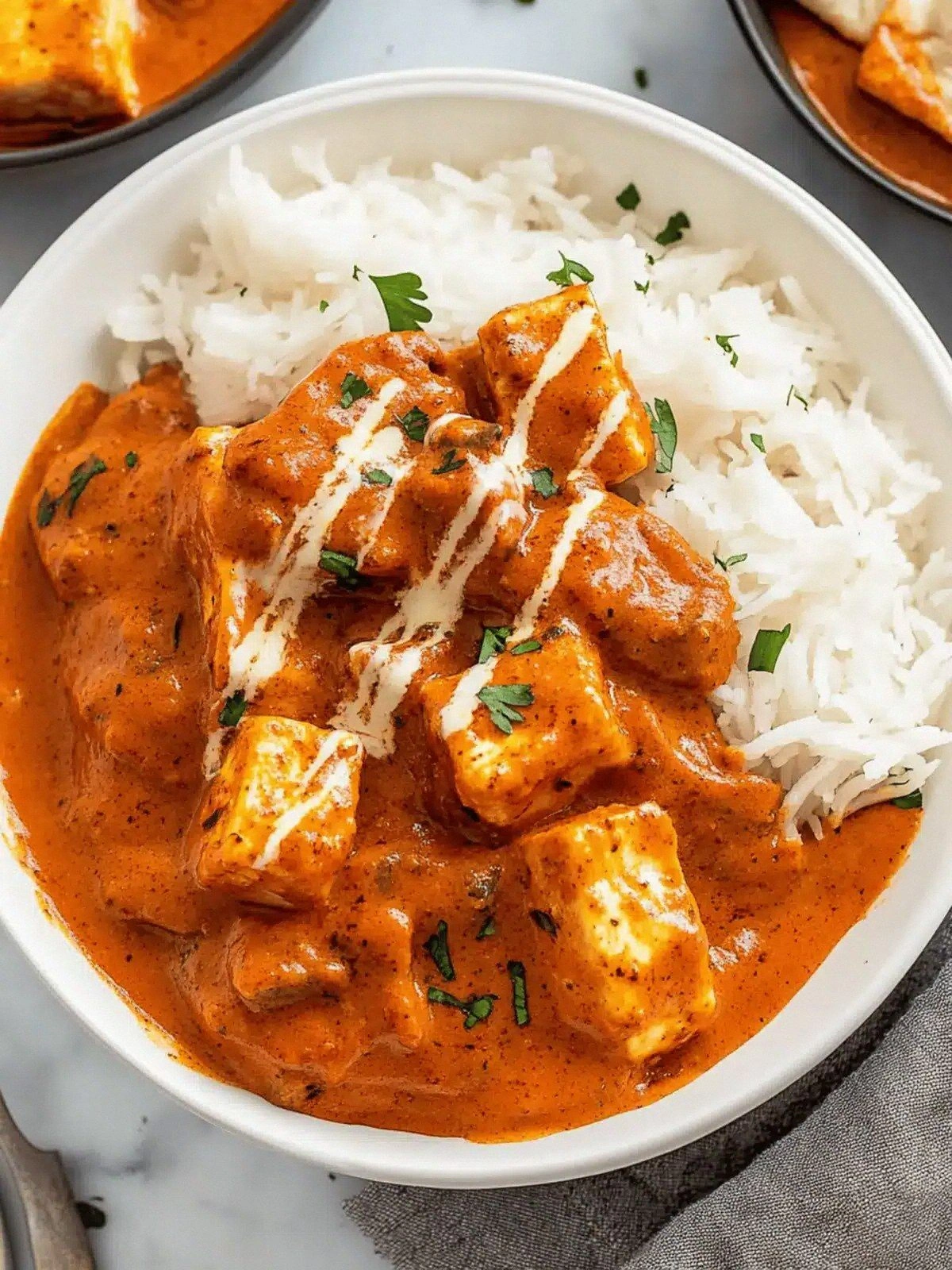
- Serve: Plate the paneer tikka masala over steamed basmati rice or warm naan. Garnish with fresh cilantro or a drizzle of yogurt for added freshness. The dish should be steaming, fragrant, and ready to wow your guests.
That's it — you did it. But hold on, I've got a few more tricks that'll take this to another level.
Insider Tricks for Flawless Results
The Temperature Rule Nobody Follows
Temperature control is the secret sauce. Keep the skillet at medium heat when searing paneer; too high and you'll burn the exterior before the interior cooks. When simmering the sauce, lower the heat after the tomatoes start to thicken. A steady low simmer allows the flavors to marry without losing the delicate balance of acidity and sweetness. I once let the sauce boil, and the result was a thick, grainy texture that felt like a culinary disaster. Trust me, a gentle simmer is worth the extra patience.
Why Your Nose Knows Best
Your nose is a reliable guide to seasoning. As the sauce simmers, pause to sniff; if it smells slightly burnt or metallic, reduce the heat. When you add the lemon, a sharp citrus aroma indicates that the acidity is balanced. If you’re unsure about salt, taste the sauce before adding the final pinch. Your sense of smell and taste will save you from over‑seasoning or under‑seasoning the dish.
The 5‑Minute Rest That Changes Everything
After simmering the sauce, let it rest off the heat for five minutes before adding the cream. This short pause allows the flavors to settle, making the final sauce richer and more cohesive. I’ve found that this simple step transforms a good dish into a great one, giving the cream time to emulsify perfectly with the tomato base. If you rush, the sauce may separate or become too thin.
Use a Heavy‑Bottomed Pan
A heavy‑bottomed pan distributes heat evenly, preventing hot spots that can scorch the paneer or sauce. It also helps maintain a steady simmer, which is crucial for developing depth in the sauce. If you’re using a non‑stick skillet, be careful not to overheat it, as that can damage the coating and affect flavor. A cast‑iron skillet is ideal for this recipe.
Keep the Paneer Dry
Moisture is the enemy of crispness. Pat the paneer dry with paper towels before marinating and before searing. This ensures a beautiful golden crust that adds texture and visual appeal. If you skip this step, the paneer will steam instead of sear, leading to a soggy texture that detracts from the dish’s overall experience.
Creative Twists and Variations
This recipe is a playground. Here are some of my favorite ways to switch things up:
Spicy Coconut Curry
Swap the heavy cream for coconut milk and add a tablespoon of red curry paste. The coconut brings a subtle sweetness that balances the heat, while the curry paste deepens the flavor profile. Serve over jasmine rice for a tropical twist.
Smoky Chipotle Version
Replace the cayenne with chipotle powder and add a splash of smoky chipotle sauce. The smoky undertone pairs beautifully with the paneer and gives the dish a bold, adventurous edge. Garnish with fresh cilantro for a pop of color.
Herb‑Infused Paneer
Add a handful of fresh basil or mint leaves to the sauce during the final simmer. The herbs introduce a fresh, green note that brightens the dish. This variation works well with a side of plain yogurt or a cucumber raita.
Low‑Carb Delight
Omit the tomato sauce and replace it with a homemade tomato paste diluted with water. Reduce the heavy cream to 1 cup and add a splash of cream cheese for richness. Serve over cauliflower rice for a keto‑friendly version.
Vegetarian Swap
For a plant‑based version, use firm tofu instead of paneer. Press the tofu to remove excess moisture, then marinate and sear as described. The tofu will absorb the spices and develop a satisfying texture that mimics paneer’s bite.
Storing and Bringing It Back to Life
Fridge Storage
Cool the dish completely before transferring it to an airtight container. Store in the refrigerator for up to 3 days. The sauce will thicken slightly; reheat gently on the stove, adding a splash of water if needed to restore its silky texture.
Freezer Friendly
Divide the dish into single‑serving portions and wrap tightly with foil. Freeze for up to 2 months. When ready to eat, thaw overnight in the refrigerator, then reheat on the stove with a splash of water to loosen the sauce. This method preserves the flavor and texture remarkably well.
Best Reheating Method
Reheat gently over low heat, stirring constantly. Add a teaspoon of water or milk to loosen the sauce if it appears thickened. Avoid boiling, as that can cause the sauce to separate. The dish should be steaming, aromatic, and ready to serve within 10 minutes.