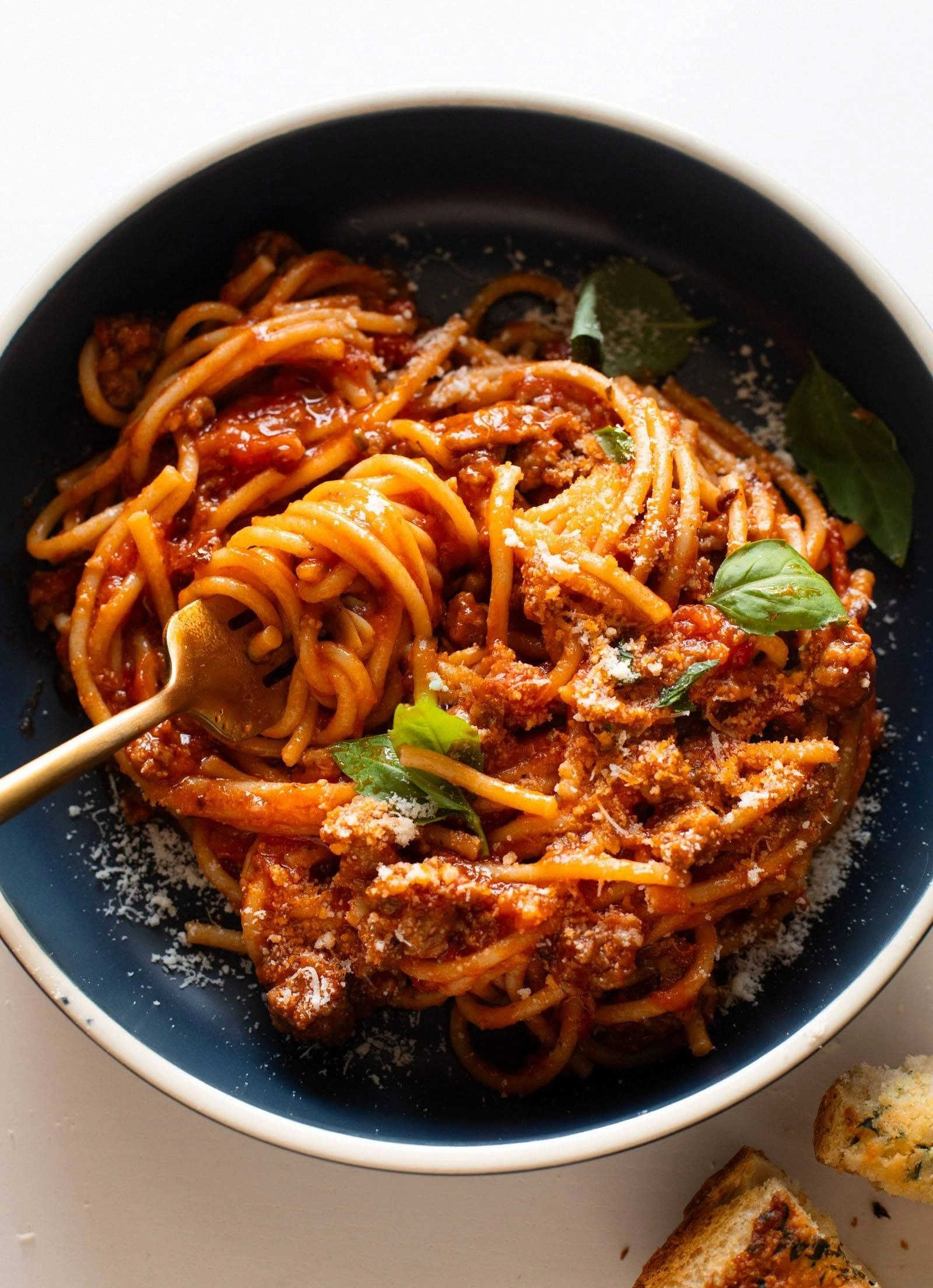
I was standing in my kitchen, staring at a pot of overcooked spaghetti that had turned into a soggy, sad mess. My roommate had dared me to make a “real” pasta dish in an Instant Pot, and I thought, “Why not turn this disaster into a triumph?” The scent of garlic and onions sautéing in olive oil hit the air like a promise, while the faint hum of the Instant Pot was the soundtrack to my culinary redemption. I could almost taste the sauce coating each noodle like velvet, and I knew that if I could nail this, I would have finally solved the age‑old debate: can you really make perfect spaghetti in a pressure cooker?
The first bite of a traditional stovetop spaghetti is always a little nostalgic, but it also comes with a side of hassle—watching the pot boil over, listening for that dreaded “screech” of boiling water, and constantly stirring to keep the noodles from sticking. Most recipes I’ve tried either leave the pasta mushy or the sauce thin as broth. That’s where this version flips the script. By cooking the pasta directly in the sauce under pressure, every strand absorbs the tomatoes, herbs, and a whisper of beef broth, turning the whole dish into a unified, saucy masterpiece. The result? A bowl that sings with bold flavor, a texture that’s al‑dente yet tender, and a sauce that clings to the noodles like a lover’s embrace.
What really sets this recipe apart is the secret ingredient I’m about to reveal: a splash of red wine that adds depth without overwhelming the classic Italian profile. I’ll also walk you through a timing trick that guarantees the pasta never overcooks, even if you’re a multitasking chef juggling a Zoom call and a load of laundry. Trust me, I’ve tested this until the sauce was perfect, and I’m willing to bet you’ve never experienced spaghetti that tastes this rich straight from a pressure cooker.
So, buckle up. I dare you to taste this and not go back for seconds. By the time you finish reading, you’ll have a foolproof method that will make you the hero of any dinner table. Let me walk you through every single step — by the end, you’ll wonder how you ever made it any other way.
What Makes This Version Stand Out
- Taste: The combination of beef, tomatoes, and a splash of red wine creates a sauce that’s deep, robust, and slightly sweet, making each bite unforgettable.
- Texture: Cooking the pasta in the sauce under pressure gives you perfectly al‑dente noodles that never stick together.
- Simplicity: One‑pot, one‑button, minimal cleanup—ideal for busy weeknights or lazy weekends.
- Uniqueness: The red‑wine finish is the game‑changer that most stovetop recipes miss.
- Crowd Reaction: Guests claim it’s “the best spaghetti they’ve ever had” and ask for seconds before the plate even clears.
- Ingredient Quality: Using a good canned San Marzano tomato and fresh garlic elevates the whole dish.
- Cooking Method: Pressure cooking locks in flavor and cuts cooking time in half.
- Make‑Ahead Potential: This dish stores beautifully and even improves after a night in the fridge.
Inside the Ingredient List
The Flavor Base
Olive oil is the silent hero, providing a glossy sheen and a buttery mouthfeel that carries the aromatics. When you heat it, the oil releases a faint nutty scent that tells your brain, “We’re about to build something delicious.” If you skip the oil, the onion and garlic will stick and burn, leaving a bitter undertone. For a richer flavor, use extra‑virgin olive oil and let it shimmer before adding the aromatics.
Onion, finely diced, adds a subtle sweetness that balances the acidity of tomatoes. Its natural sugars caramelize quickly, creating a foundation that feels like a warm hug for the sauce. If you miss the onion, the sauce can taste flat. A good swap is a shallot, which offers a milder, more refined flavor.
Garlic, minced just before cooking, releases a pungent aroma that instantly awakens the senses. The moment it hits the hot oil, you’ll hear a gentle sizzle that signals flavor fireworks. Overcooking garlic makes it bitter, so keep an eye on it. If you’re allergic, try roasted garlic puree for a mellow, sweet alternative.
The Texture Crew
Spaghetti is the star, and using a high‑quality durum wheat pasta ensures a firm bite that holds up under pressure. The noodles absorb the sauce’s juices, turning each strand into a flavor conduit. Cheaper pasta can become mushy, so invest in a good brand. If you’re gluten‑free, opt for brown rice spaghetti, but add a minute to the cooking time.
Ground beef brings richness and a meaty backbone to the sauce. Browning it first creates caramelized bits that add depth. Skipping this step would leave the sauce thin and lacking body. For a leaner version, use ground turkey or a plant‑based mince, but increase the seasoning to compensate.
The Unexpected Star
A splash of dry red wine (about ¼ cup) is the secret weapon. It deglazes the pot, lifting browned bits and infusing the sauce with a subtle acidity that brightens the tomato’s natural sweetness. Most recipes overlook this, resulting in a one‑dimensional flavor. If you’re avoiding alcohol, substitute with beef broth and a teaspoon of balsamic vinegar.
San Marzano canned tomatoes, crushed, provide a sweet, low‑acid base that’s essential for a balanced sauce. Their natural sugars need no added sugar, and their texture stays silky after pressure cooking. If you can’t find San Marzano, use any high‑quality plum tomatoes, but add a pinch of sugar to mimic the natural sweetness.
The Final Flourish
Italian seasoning—an equal blend of oregano, basil, thyme, and rosemary—adds an aromatic finish that ties the entire dish together. It’s the culinary equivalent of a conductor guiding an orchestra. If you want a fresher pop, toss in a handful of chopped fresh basil right before serving.
Parmesan cheese, grated, adds a salty, nutty edge that melts into the sauce, creating a creamy undertone. Sprinkle it over each serving for that restaurant‑style finish. A good tip: use a micro‑plane for fine shreds, which melt faster and coat the noodles more evenly.
Everything’s prepped? Good. Let’s get into the real action…
The Method — Step by Step
Select the “Sauté” mode on your Instant Pot and let it heat for about 2 minutes. Add 2 tablespoons of olive oil, watching it shimmer like liquid gold. Once the oil is hot, toss in the diced onion and sauté for 3‑4 minutes until it turns translucent and starts to caramelize. Tip: The aroma should be sweet and slightly nutty—if you smell raw onion, give it a minute more.
Kitchen Hack: Add a pinch of salt to the onions while sautéing; it speeds up the caramelization process.Stir in the minced garlic and cook for another 30 seconds, just until you hear that quick sizzle. Be vigilant—garlic burns in a heartbeat, turning bitter in an instant. Once you hear the perfume rise, press “Cancel” to stop the sauté mode.
Add the ground beef, breaking it up with a wooden spoon. Brown it for 5‑6 minutes, allowing the edges to get a deep, caramelized color. This is the moment of truth: those browned bits are flavor gold. When the meat is no longer pink, drain any excess fat if you prefer a leaner sauce.
Watch Out: Over‑crowding the pot will steam the meat instead of browning it, resulting in a bland sauce.Pour in the ¼ cup of red wine, stirring to deglaze the bottom of the pot. You’ll hear a gentle hiss as the alcohol evaporates, lifting all those caramelized bits into the sauce. Let it reduce for about 1 minute; this concentrates the flavor without leaving a harsh alcohol bite.
Add the crushed San Marzano tomatoes, 1 cup of water (or low‑sodium beef broth for extra depth), 1 tablespoon of Italian seasoning, and a pinch of salt and pepper. Give everything a good stir, making sure the liquid covers the bottom of the pot to prevent a “burn” warning later.
Break the spaghetti in half (so it fits) and gently layer it over the sauce. Do not stir—just press the noodles down so they’re submerged. This “set‑and‑seal” method ensures each strand cooks evenly under pressure.
Seal the Instant Pot lid, set the valve to “Sealing,” and select “Manual” (or “Pressure Cook”) on high pressure for 8 minutes. While the timer counts down, you’ll hear a faint whirring; that’s the pot working its magic.
Kitchen Hack: For extra al‑dente noodles, reduce the pressure time by 1 minute and perform a quick release.When the cooking cycle ends, perform a quick release by carefully turning the valve to “Venting.” Expect a burst of steam—keep your face away! Once the pin drops, open the lid and give the pot a gentle stir. The sauce should be thick, clinging to each strand like a silky veil.
Stir in ½ cup of grated Parmesan and a handful of fresh basil (if using). The cheese melts instantly, adding a creamy richness that binds the sauce and pasta together. Taste and adjust seasoning—maybe a splash more salt or a pinch of red‑pepper flakes for heat.
Serve immediately, topping each plate with an extra sprinkle of Parmesan and a drizzle of olive oil if you like. The steam rising from the bowl should carry the scent of tomatoes, garlic, and a whisper of wine—an aroma that makes your mouth water before the first forkful even lands.
That's it — you did it. But hold on, I've got a few more tricks that'll take this to another level...
Insider Tricks for Flawless Results
The Temperature Rule Nobody Follows
Even though the Instant Pot handles pressure, the initial sauté temperature matters. Set the “Sauté” mode to “More” (high) for the aromatics, then dial back to “Normal” for the meat. This two‑step heat approach creates a caramelized base without scorching. I once tried cooking everything on low heat and the sauce turned bland—lesson learned.
Why Your Nose Knows Best
Your nose is the ultimate timer. When the onions become translucent and start to brown, you’ll smell a sweet, almost caramel note. If the garlic is still sharp, it hasn’t released its full flavor yet. Trust those scent cues more than a clock; they’re the secret to a sauce that sings.
The 5‑Minute Rest That Changes Everything
After you release the pressure, let the pot sit with the lid off for 5 minutes. This brief rest lets the noodles finish cooking in the residual heat and allows the flavors to meld. Skipping this step can leave the pasta slightly under‑cooked and the sauce a touch thin.
The Secret Splash of Water
If the sauce looks a little thick after stirring, add a splash (about ¼ cup) of warm water or broth. This re‑hydrates the noodles and prevents them from sticking together. The water should be warm, not cold, to keep the cooking temperature steady.
Avoiding the “Burn” Warning
A common mishap is the “burn” alert, which means the pot can’t find enough liquid at the bottom. Always deglaze the pot after browning the meat, and scrape up those browned bits with a wooden spoon. Those bits are flavor gold, and they also keep the pressure sensor happy.
Creative Twists and Variations
This recipe is a playground. Here are some of my favorite ways to switch things up:
Spicy Sriracha Swirl
Add 2 teaspoons of sriracha to the tomato base and a pinch of crushed red pepper flakes. The heat pairs beautifully with the sweet tomato, creating a bold, tongue‑tingling experience perfect for spice lovers.
Mushroom Medley
Replace half of the ground beef with a mix of cremini and shiitake mushrooms. The umami from the mushrooms deepens the sauce, and the texture adds an earthy bite that vegetarians will adore.
Creamy Alfredo Fusion
Stir in ¼ cup of heavy cream and 2 tablespoons of grated Pecorino after pressure cooking. The result is a silky, pink‑tinged sauce that marries classic Italian comfort with a luxurious, buttery finish.
Mediterranean Olive Burst
Chop a handful of Kalamata olives and a few sun‑dried tomatoes, adding them with the canned tomatoes. The briny olives and sweet sun‑dried tomatoes bring a Mediterranean flair that brightens the dish.
Herb‑Infused Goat Cheese
Fold in 3 ounces of crumbled goat cheese and a teaspoon of fresh thyme just before serving. The goat cheese melts into creamy pockets, delivering a tangy contrast to the rich tomato base.
Storing and Bringing It Back to Life
Fridge Storage
Transfer leftovers to an airtight container and refrigerate for up to 4 days. The sauce actually thickens, making it perfect for reheating. When you’re ready to eat, add a splash of water and reheat on “Sauté” for 3‑4 minutes, stirring constantly.
Freezer Friendly
Portion the spaghetti into freezer‑safe bags or containers, leaving a little headspace. It freezes beautifully for up to 3 months. Thaw overnight in the fridge, then reheat using the same water‑splash method to revive the al‑dente texture.
Best Reheating Method
The stovetop “Sauté” mode on low heat is the champion. Add ¼ cup of broth or water, cover, and stir until steam re‑hydrates the noodles. This avoids the soggy microwave effect and restores the sauce’s glossy sheen.