I was standing in my kitchen, staring at a half‑cooked turkey patty that looked more like a sad, dry pancake than the juicy masterpiece I’d promised my friends. The smoke alarm squealed, the pan hissed like a disgruntled cat, and I swear I heard the fridge whisper, “Give up now.” Then a dare from my roommate rang in my ears: “If you can make a turkey burger that actually stays moist, I’ll buy you a craft beer.” I laughed, rolled up my sleeves, and set out on a culinary rescue mission that would end with a plate so satisfying you’d forget it’s lean protein. That night, I discovered a simple trick—mixing a dollop of Greek yogurt with a splash of olive oil—that turned a bland bird into a burger that sings with flavor.
Picture the scene: the skillet is hot enough to make a sizzle that sounds like fireworks, the aroma of smoked paprika and fresh garlic fills the air, and the first bite delivers a juicy burst that makes your taste buds do a little dance. You can almost feel the warm, toasted bun in your hand, the crisp snap of lettuce, and the buttery richness of a perfectly ripe avocado slice. The texture is a glorious contrast—soft, tender meat on the inside, a lightly caramelized crust on the outside, and a burst of freshness from the toppings that never overwhelms. It’s a sensory overload in the best possible way, and the best part? It’s still a healthy, low‑fat option that doesn’t skimp on satisfaction.
Most turkey burger recipes get this completely wrong. They either over‑mix the meat, turning it into a dense loaf, or they skimp on moisture, leaving you with a burger that feels like chewing on a shoe sole. This version, however, respects the delicate nature of ground turkey while adding strategic binders and flavor boosters that lock in juiciness. I’m daring you to taste this and not go back for seconds—because once you’ve experienced the perfect balance of lean protein, aromatic herbs, and that secret yogurt‑oil combo, you’ll be reaching for the grill every night.
Let me walk you through every single step — by the end, you’ll wonder how you ever made it any other way. Okay, ready for the game‑changer? This next part? Pure magic. Stay with me here — it’s worth it.
What Makes This Version Stand Out
- Juiciness: The Greek yogurt adds a creamy moisture that turkey alone can’t hold, while a splash of olive oil creates a subtle richness that keeps every bite succulent.
- Flavor Depth: Smoked paprika, Dijon mustard, and fresh garlic build layers of taste that develop as the burger cooks, delivering a smoky‑sweet punch.
- Texture Harmony: Whole‑wheat breadcrumbs give the patty a light, airy crumb that prevents it from turning into a dense slab.
- Simplicity: Only ten core ingredients, most of which you already have in a typical pantry, make this a weeknight hero.
- Crowd‑Pleaser: Even the most skeptical meat‑eaters rave about the flavor, and kids love the soft bun and mild seasoning.
- Health‑Forward: Lean turkey keeps the fat low, while Greek yogurt boosts protein and adds a probiotic edge.
- Make‑Ahead Friendly: Form the patties ahead of time and refrigerate; they hold up beautifully for a quick dinner.
- Versatile Base: The recipe is a canvas for endless toppings and sauces without losing its core identity.
Inside the Ingredient List
The Flavor Base
Ground turkey is the star of the show, but on its own it can be as bland as unsalted rice. By choosing a 93% lean blend, you get enough fat to carry flavor without turning the burger greasy. The Greek yogurt acts like a secret sauce that seeps into the meat fibers, keeping them moist while adding a subtle tang that brightens the overall profile. If you skip the yogurt, expect a drier texture and a less lively palate.
Swap: If you’re dairy‑free, replace the yogurt with a tablespoon of unsweetened applesauce mixed with a teaspoon of olive oil. The result is still moist, though you’ll lose a bit of the tang.
The Texture Crew
Whole‑wheat breadcrumbs are the unsung heroes that give the patty a feather‑light interior. They absorb a tiny amount of the juices, creating a cushion that prevents the meat from collapsing under heat. Skipping breadcrumbs will make the burger dense and crumbly, more like a meatloaf than a burger. For gluten‑free diners, substitute with oat flour or finely ground almonds.
Buying Tip: Look for breadcrumbs that are lightly toasted, not overly seasoned, so they won’t overpower the delicate turkey flavor.
The Unexpected Star
A single egg acts as a binder, but more importantly, it adds richness that balances the lean meat. The egg’s protein coagulates as the burger cooks, giving the patty structure without making it tough. If you’re allergic, a flax‑egg (1 tbsp ground flaxseed + 3 tbsp water) works well, though the texture will be slightly softer.
The Final Flourish
Smoked paprika and Dijon mustard are the flavor fireworks that turn an ordinary turkey patty into a gourmet bite. The paprika lends a subtle wood‑smoked depth, while the mustard adds a sharp, aromatic bite that cuts through the richness. Fresh garlic and onion bring a fragrant base that awakens the senses the moment the patty hits the pan. Forgetting any of these will leave the burger tasting flat, like a story without a climax.
Everything's prepped? Good. Let’s get into the real action…
The Method — Step by Step
In a large mixing bowl, combine the ground turkey, Greek yogurt, and olive oil. Use your hands—yes, get a little messy—to mash everything together until the mixture is uniform. You’ll notice the yogurt turning the pink meat into a pale, creamy canvas. Watch the texture: it should feel slightly sticky but not wet.
Kitchen Hack: Chill the bowl for five minutes before shaping the patties; colder meat holds its shape better on the grill.Add the egg, breadcrumbs, diced onion, minced garlic, Dijon mustard, smoked paprika, dried oregano, salt, and black pepper to the bowl. Sprinkle the spices over the meat and fold gently. The key is to incorporate without over‑working; think of it as coaxing flavors together, not kneading dough.
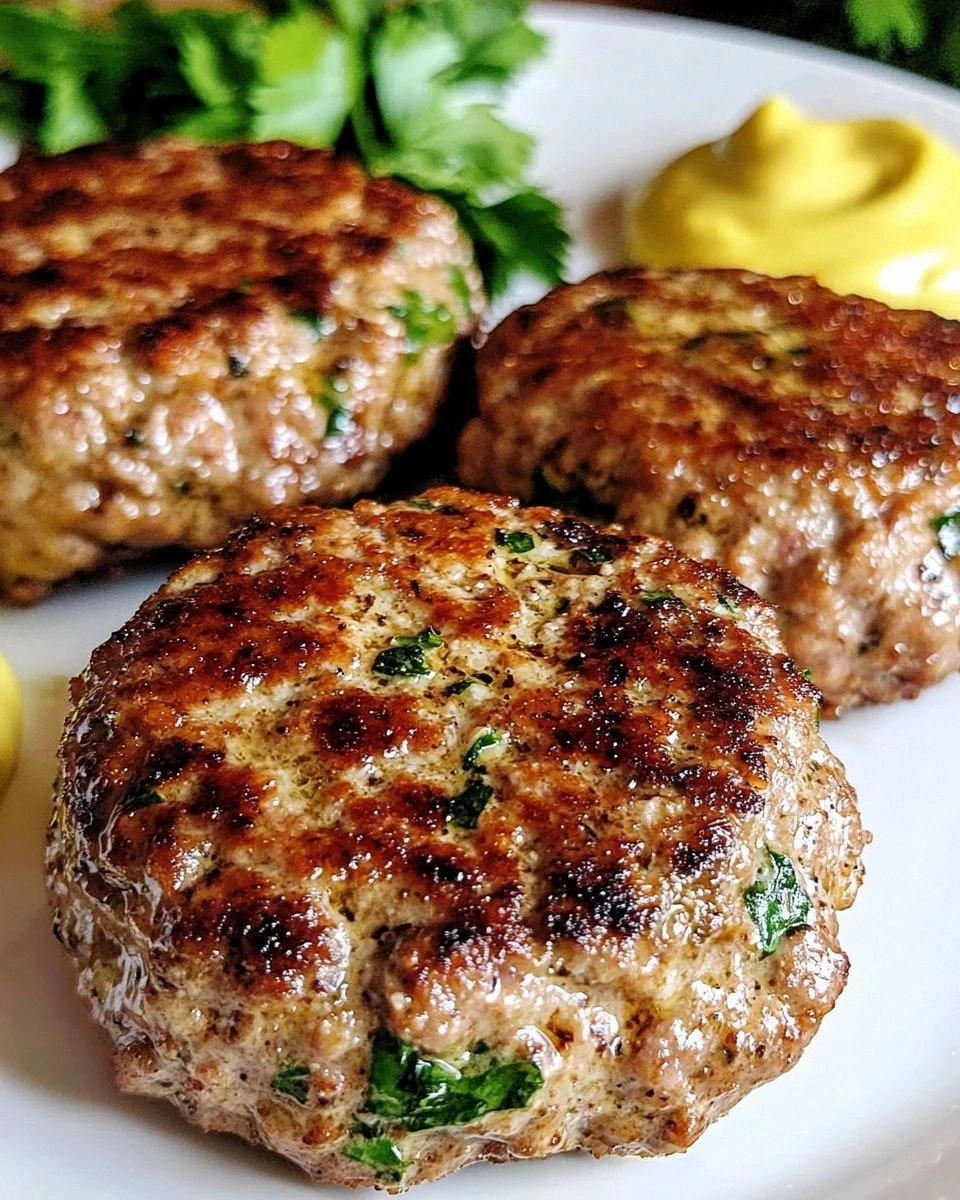
Divide the mixture into four equal portions. With wet hands, shape each portion into a patty about ¾‑inch thick, making a small indentation in the center with your thumb. This “dimple” prevents the burgers from puffing up in the middle—a common mistake that leaves you with uneven cooking.
Heat a cast‑iron skillet over medium‑high heat until it’s hot enough that a drop of water sizzles and evaporates instantly. Add a tablespoon of olive oil, swirling to coat the surface. That sizzle when it hits the pan? Absolute perfection. Place the patties in the skillet, leaving space between them.
Watch Out: If the heat is too high, the exterior will char before the interior reaches safe temperature, resulting in a burnt crust and raw center.Cook the burgers for about 4‑5 minutes on the first side. You’ll see the edges start to turn opaque and the bottom develop a golden‑brown crust. Flip carefully with a thin spatula; the patty should release easily if the sear is right.
After flipping, lower the heat to medium and let the burgers cook another 4‑5 minutes. To ensure they’re done, insert an instant‑read thermometer into the thickest part; you’re aiming for 165°F (74°C). The juices should run clear, and the surface will have a gentle caramelized sheen.
While the burgers finish, toast the buns cut‑side down in the same skillet for about 30 seconds, just until they’re lightly browned and fragrant. This step adds a subtle crunch and prevents the bun from soaking up the burger juices.
Assemble each burger: start with the bottom bun, add a lettuce leaf, then the turkey patty, a slice of tomato, a few avocado ribbons, and finish with the top bun. Press lightly so the layers meld together. Serve immediately with a side of sweet potato fries or a crisp salad.
That’s it — you did it. But hold on, I’ve got a few more tricks that’ll take this to another level…
Insider Tricks for Flawless Results
The Temperature Rule Nobody Follows
Most home cooks crank the heat to “high” hoping for a quick sear, but turkey’s low fat content burns easily. Keep the skillet at a steady medium‑high (about 375°F on a surface thermometer) and adjust as needed. The perfect temperature gives you that caramelized crust without drying the interior. I once tried a “blast” method and ended up with a blackened exterior and a pink center—let’s just say the taste test was not pretty.
Why Your Nose Knows Best
Your sense of smell is a reliable indicator of doneness. When the burgers start to release a nutty, toasted aroma, you’re approaching the perfect finish. If you detect a sharp, burnt scent, pull them off immediately—overcooked turkey becomes rubbery. Trust your nose more than the clock; it’s an ancient kitchen instinct that never lies.
The 5‑Minute Rest That Changes Everything
After cooking, let the patties rest on a warm plate for five minutes. This short pause allows the juices to redistribute, preventing them from spilling out the moment you bite. Skipping this step is a rookie mistake that turns a juicy burger into a soggy mess. I used to serve them hot off the pan and got complaints about “dryness”; the rest period solved that instantly.
Seasoning the Buns
A quick brush of olive oil mixed with a pinch of sea salt on the cut side of each bun before toasting adds a subtle crunch and a buttery flavor that elevates the whole sandwich. It’s a tiny detail that makes the bun feel like a premium component rather than a background player.
Layering Moisture with Avocado
Avocado isn’t just a trendy topping; its creamy fat balances the lean turkey and adds a buttery mouthfeel. Slice it just before serving to keep the green color vibrant. If you’re watching calories, use half an avocado per burger and still retain that luxurious texture.
Creative Twists and Variations
This recipe is a playground. Here are some of my favorite ways to switch things up:
Mediterranean Magic
Swap the smoked paprika for a teaspoon of za'atar, add crumbled feta, and finish with a dollop of tzatziki. The herbaceous notes and tangy yogurt sauce give the burger a sun‑kissed Mediterranean vibe that pairs beautifully with a cucumber‑mint salad.
Spicy Southwest
Incorporate a tablespoon of chipotle in adobo, replace the Dijon with a smoky chipotle mayo, and top with pickled jalapeños. The heat level is adjustable, and the smoky undertones complement the turkey’s mild flavor.
Apple‑Cider Glaze
Brush the patties with a reduction of apple cider vinegar, honey, and a dash of mustard during the last minute of cooking. The glaze adds a sweet‑tangy caramelization that makes the burger taste like a fall harvest feast.
Herb‑Infused Veggie Burger
Replace half the ground turkey with finely grated zucchini and carrots, and add fresh basil and parsley. This version boosts the veggie quotient while retaining the juicy core, perfect for a lighter lunch.
Cheesy Delight
Add a slice of smoked gouda or provolone on top of each patty during the final minute of cooking, allowing it to melt into a gooey blanket. The cheese adds richness without overwhelming the lean profile.
Storing and Bringing It Back to Life
Fridge Storage
Place cooked patties in an airtight container, layering parchment paper between each to prevent sticking. They’ll stay fresh for up to three days. When reheating, add a splash of water to the pan and cover for a minute to steam the burgers back to juiciness.
Freezer Friendly
Freeze raw, shaped patties on a baking sheet before transferring them to a zip‑top bag. This “flash freeze” method keeps them from sticking together. They can be stored for up to two months. Thaw overnight in the fridge, then cook as usual.
Best Reheating Method
For the ultimate reheated burger, use a skillet over medium heat, add a teaspoon of olive oil, and cover the pan for two minutes. The steam created inside keeps the interior moist, while the uncovered last minute restores the crust. Avoid microwaving; it turns the patty rubbery.