Picture this: I’m in my tiny kitchen, the timer on the stove has just betrayed me, and a batch of ordinary cookies is burning to a crisp. I was half‑panicking, half‑laughing, when my roommate barged in with a fresh bag of key limes from the farmer’s market, shouting, “You need a dessert that actually smells like summer!” That was the spark—a reckless dare that turned a kitchen disaster into a mission to create the ultimate citrus‑kissed macarons. I grabbed the nearest mixing bowl, whisked together almond flour and powdered sugar, and let the lime zest rain down like confetti. The aroma that hit my nose was nothing short of a tropical breeze, instantly lifting my spirits above the charred cookie nightmare.
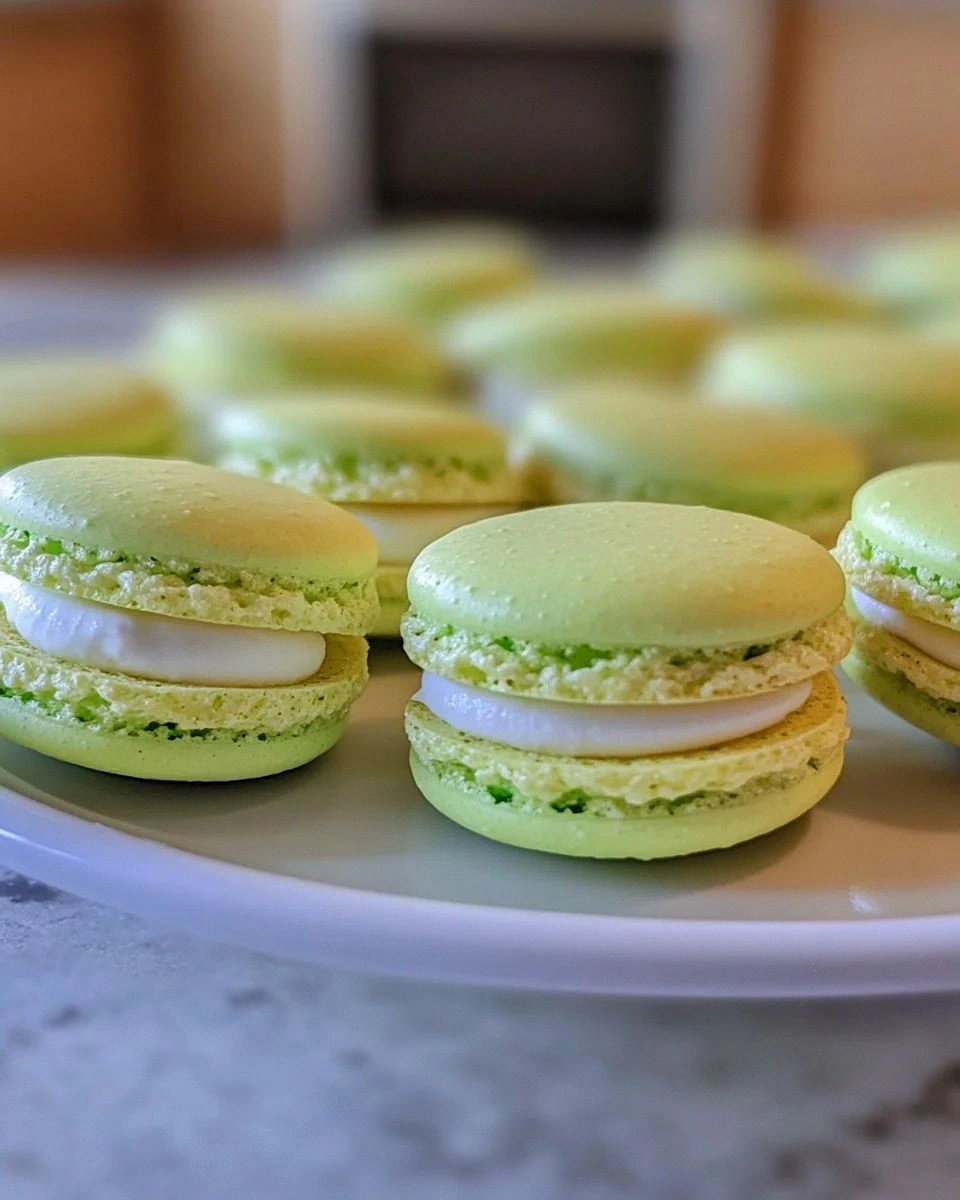
The first bite of a perfect macaron is a revelation: a delicate, crisp shell that snaps open with a gentle sigh, revealing a silky, tangy filling that coats your palate like a sun‑kissed wave. Imagine the bright pop of key lime juice meeting the buttery richness of a smooth ganache, all wrapped in a cloud‑like almond‑infused shell that crumbles just enough to give that satisfying, melt‑in‑your‑mouth feeling. That contrast between the airy exterior and the luscious interior is why this treat feels like a celebration in every bite. Most recipes either over‑sweeten the lime or end up with shells that are too flat—this version hits the sweet‑spot every single time.
Now, I’m going to be honest — I ate half the batch before anyone else could try it, and I’m still not sorry. The secret? A tiny splash of lime zest added to the meringue, plus a brief rest period that lets the shells develop a glossy skin before baking. Most bakers skip that rest, resulting in flat, chewy macarons that look like sad little pancakes. I dare you to taste this and not go back for seconds. The zing of the key lime is balanced by a buttery, creamy filling that makes you feel like you’ve just stepped onto a sun‑drenched beach, even if you’re stuck in a snowstorm outside.
Okay, ready for the game‑changer? I’m about to walk you through every single step — from selecting the perfect key limes to mastering the macaronage technique that will give you those iconic, smooth domes. By the end, you’ll wonder how you ever made macarons any other way. Stay with me here — this is worth it.
What Makes This Version Stand Out
- Flavor Explosion: The key lime zest is folded directly into the meringue, giving each bite an immediate citrus punch that doesn’t get lost in the almond base.
- Texture Harmony: A crisp, slightly cracked shell meets a buttery, silky filling, creating a contrast that’s as satisfying as a first bite of a perfectly toasted croissant.
- Simplicity Meets Precision: The ingredient list is short, but every step is calibrated—no fancy equipment, just a kitchen scale and a good eye.
- Unique Twist: Adding lime juice to the buttercream not only brightens the flavor but also prevents the filling from becoming overly sweet.
- Crowd Reaction: These macarons have a habit of disappearing within minutes at parties; expect compliments and a few jealous glances.
- Ingredient Quality: Using finely ground almond flour and fresh key limes makes the difference between “good” and “mind‑blowing.”
- Cooking Method: The classic French macaronage technique is explained in lay‑person terms, so you won’t end up with a flat pancake.
- Make‑Ahead Potential: Once baked, the shells keep for up to a week, and the filling can be frozen, giving you a ready‑to‑assemble treat anytime.
Inside the Ingredient List
The Flavor Base
Key Lime Zest (2 tablespoons): This is the star that delivers that unmistakable citrus aroma. Fresh zest contains essential oils that evaporate quickly, creating an immediate zing when you bite. If you skip it, you’ll lose the bright, aromatic punch that makes these macarons unforgettable. Swap: For a milder flavor, use regular lime zest, but the key lime’s unique floral notes are irreplaceable.
Key Lime Juice (2 tablespoons): The juice adds acidity that balances the sweetness of the buttercream and keeps the filling from becoming cloying. Fresh juice also contributes a subtle tartness that brightens every bite. Bottled juice can work in a pinch, but it often lacks the fresh, vibrant flavor of the real thing. Tip: Roll a few lime wedges on the countertop before juicing to release more juice.
Unsalted Butter (¼ cup, softened): Butter is the foundation of the filling, giving it a rich, velvety mouthfeel. Using unsalted butter lets you control the salt level precisely, ensuring the lime’s acidity shines. If you use salted butter, reduce the added salt by half to avoid an overly salty finish.
The Texture Crew
Almond Flour (1 cup, finely ground): This provides the characteristic nutty flavor and delicate crumb of macarons. It’s crucial to sift the almond flour twice to avoid gritty texture. Skipping the sift will result in a rough, uneven surface that can’t achieve that smooth dome. Swap: Use blanched almond flour for an even lighter color and smoother texture.
Powdered Sugar (1 cup, plus ½ cup for filling): The fine sugar dissolves completely in the meringue and buttercream, ensuring no grainy spots. In the shells, it works with almond flour to create a glossy finish. For the filling, it sweetens without adding moisture. If you prefer a slightly less sweet filling, reduce the amount by a tablespoon.
Granulated Sugar (¼ cup): This sugar stabilizes the meringue, giving it structure and shine. It dissolves during the whisking process, creating a glossy, stiff peak. Using coarse sugar can leave a gritty texture, so always opt for fine granulated sugar.
The Unexpected Star
Egg Whites (3 large, room temperature): Egg whites are the backbone of the macaron shell. Room‑temperature whites whip faster and achieve more stable peaks. If you use cold whites, you’ll waste time and may never reach the glossy stiffness needed. Tip: Separate the eggs on a dry day; humidity can cause a thin membrane to cling to the whites, weakening the meringue.
Cream of Tartar (⅛ teaspoon): This acid stabilizes the meringue, preventing it from weeping and ensuring a smooth, glossy texture. Skipping it can lead to a runny meringue that collapses during baking. If you don’t have cream of tartar, a pinch of lemon juice works as a substitute.
Salt (¼ teaspoon): A pinch of salt amplifies the lime’s brightness and balances the sweetness of the buttercream. Too much salt will dominate the delicate flavor, so measure carefully. Sea salt adds a subtle mineral note that enhances the overall profile.
The Final Flourish
Vanilla Extract (1 teaspoon, optional): A splash of vanilla adds depth to the buttercream, rounding out the sharp lime notes. It’s optional because the lime is the hero, but a hint of vanilla can make the filling feel more luxurious. If you’re dairy‑free, swap vanilla extract for a dash of almond extract for a complementary flavor.
Everything's prepped? Good. Let's get into the real action...
The Method — Step by Step
Start by sifting the almond flour and powdered sugar together into a large bowl. Do this twice to guarantee a feather‑light texture. The sifted mixture should feel like fine sand—if you feel any grit, give it another sift. This step is the foundation for that smooth, glossy shell we all crave.
In a separate, perfectly clean bowl, whisk the egg whites until they become frothy. Add the cream of tartar and a pinch of salt, then continue whisking on medium speed. Once the whites form soft peaks, gradually pour in the granulated sugar while the mixer is running. The mixture will become glossy and start forming stiff peaks—think of a sunrise reflected on a still lake.
Now the magic: fold the sifted dry ingredients into the meringue. Use a spatula and a gentle, sweeping motion—don’t overmix. The batter should flow like lava, thick yet smooth, and when you lift the spatula, the ribbon should disappear back into the mixture within about 10 seconds.
Kitchen Hack: If the batter looks too thick, add a teaspoon of lime juice; it will loosen the mixture and enhance the citrus flavor.Transfer the batter into a piping bag fitted with a ½‑inch round tip. Pipe 1½‑inch circles onto a parchment‑lined baking sheet, leaving about an inch of space between each. The circles should be uniform; uneven sizes lead to uneven baking. After piping, tap the tray firmly on the counter three times to release any trapped air bubbles.
Here’s the crucial rest: let the piped shells sit at room temperature for 30‑45 minutes, or until a skin forms on the surface. You’ll know they’re ready when you can gently touch the tops without them sticking to your finger. This step creates that coveted “feet” during baking and prevents cracks.
Preheat your oven to 300°F (150°C). While the oven heats, line a second baking sheet with parchment and set aside. Slide the rested shells into the oven and bake for 12‑15 minutes. The shells should rise, develop a delicate “foot,” and the tops will appear matte, not shiny.
Watch Out: Do not open the oven door before the 12‑minute mark; a premature peek can cause the shells to collapse.While the shells cool on the tray, prepare the lime buttercream. Beat the softened butter until pale and fluffy, then gradually add the powdered sugar, lime zest, lime juice, and vanilla extract. Continue beating until the mixture is light, airy, and holds soft peaks. The buttercream should have a glossy sheen that mirrors the shells’ finish.
Once the shells are completely cool (touch them; they should feel firm and not warm), pair them by size. Pipe a generous dollop of lime buttercream onto the flat side of one shell, then sandwich it with its partner. Press gently so the filling spreads to the edges, creating a seamless seal.
Finally, let the assembled macarons rest in the refrigerator for at least an hour. This “maturation” period allows the flavors to meld and the shells to soften just enough to achieve that melt‑in‑your‑mouth texture. Picture yourself pulling these out of the fridge, the whole kitchen smelling incredible, and the first bite delivering a burst of sunshine.
Insider Tricks for Flawless Results
The Temperature Rule Nobody Follows
The secret to perfect shells isn’t just the oven temperature; it’s the ambient temperature of your kitchen. If your kitchen is too warm, the shells won’t develop that crisp “foot.” Aim for a room temperature of 68‑72°F during the resting phase. I once tried baking in a hot summer kitchen and ended up with soggy bottoms—lesson learned.
Why Your Nose Knows Best
When you’re whisking the meringue, trust your nose more than the timer. A properly whipped meringue should smell faintly of sweet almond, not raw egg. If you detect any eggy aroma, you haven’t reached the right stiffness. This sensory cue is a game‑changer, especially for bakers who don’t have a kitchen scale.
The 5‑Minute Rest That Changes Everything
After piping, let the shells sit for exactly 5 minutes longer than the minimum time. Those extra minutes allow the surface to dry just enough to form a skin, which translates into that signature “foot” after baking. Skipping this step is the most common reason macarons turn out flat.
Buttercream Balance
When making the lime buttercream, add the lime juice a tablespoon at a time. Too much liquid will make the filling runny, while too little leaves it overly sweet. The perfect balance is when the buttercream holds its shape but still feels melt‑in‑your‑mouth smooth.
Patience Pays Off
After assembling, give the macarons a full 24‑hour rest in the fridge before serving. This “aging” process allows the shells to absorb a hint of moisture from the filling, creating that coveted soft interior while preserving the crisp outer shell. I tried serving them the same day and they felt a bit dry—waiting made all the difference.
Creative Twists and Variations
This recipe is a playground. Here are some of my favorite ways to switch things up:
Passion Fruit Punch
Swap the key lime juice for an equal amount of passion fruit puree. The tropical tang pairs beautifully with the almond shell, and the bright orange hue makes for a stunning visual twist.
Mint‑Infused Lime
Fold finely chopped fresh mint into the buttercream along with the lime zest. The cool mint balances the citrus acidity, creating a refreshing palate cleanser perfect for summer gatherings.
Chocolate‑Covered Delight
After the macarons have set, dip the bottoms in melted dark chocolate and let them harden on parchment. The bittersweet chocolate adds depth and a satisfying snap that contrasts with the creamy lime center.
Spicy Lime
Incorporate a pinch of cayenne pepper into the buttercream for a subtle heat that elevates the lime’s brightness. It’s an unexpected kick that will wow guests who love a little spice.
Vegan Version
Replace the egg whites with aquafaba (the liquid from a can of chickpeas) and use a plant‑based butter alternative. The texture remains just as airy, and the lime flavor shines just as brightly.
Storing and Bringing It Back to Life
Fridge Storage
Place the assembled macarons in an airtight container and store them in the refrigerator for up to five days. The cool environment preserves the buttery filling and keeps the shells crisp. Before serving, let them sit at room temperature for 20 minutes to bring out the full flavor.
Freezer Friendly
Unfilled shells freeze exceptionally well. Layer them with parchment paper in a zip‑top bag and freeze for up to three months. When you’re ready, thaw them at room temperature for 30 minutes, then pipe the buttercream and assemble.
Best Reheating Method
If the macarons have lost a bit of their sparkle, pop them in a preheated oven at 250°F (120°C) for 5 minutes. Add a tiny splash of water to the baking tray (just a few drops) to create steam; this revives the interior without drying out the shells.