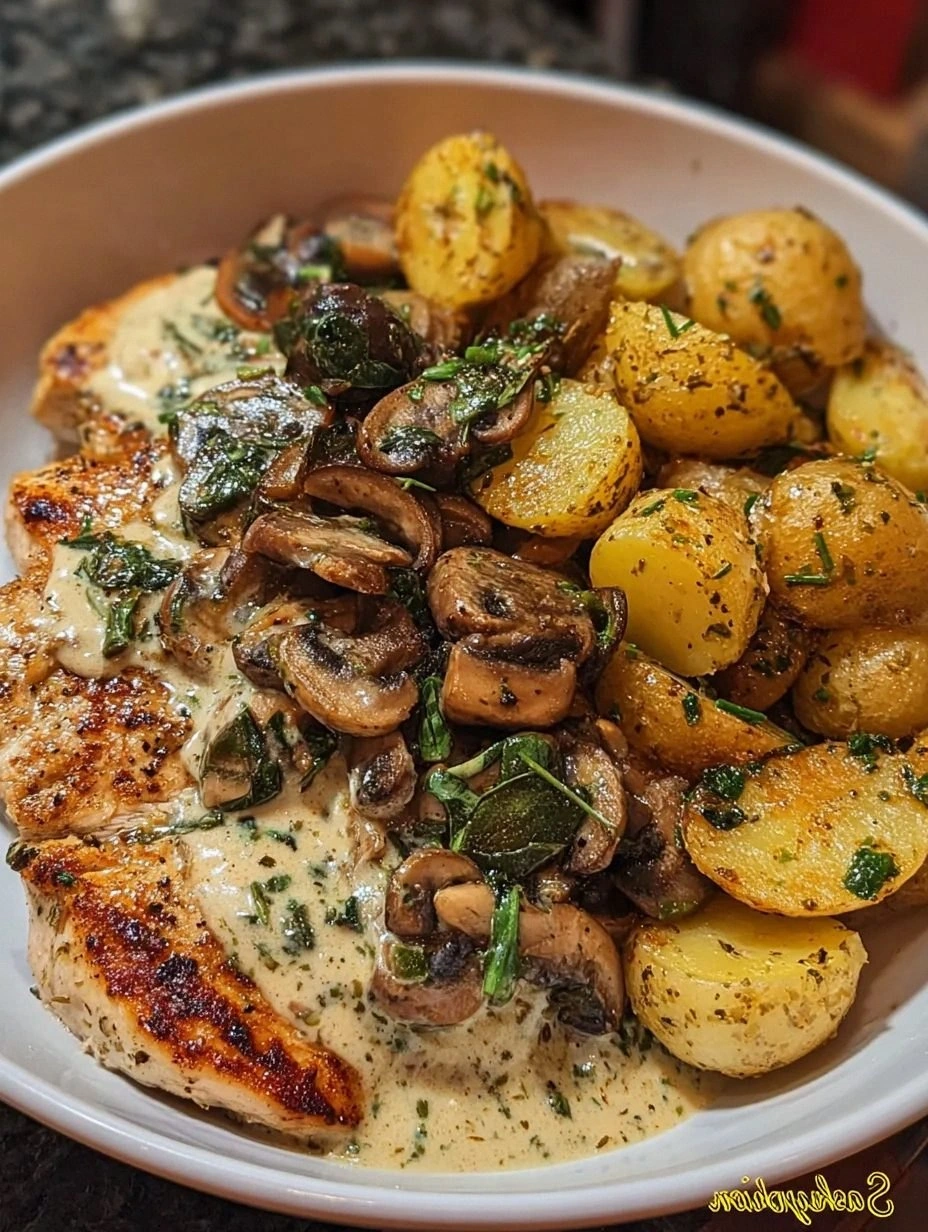
If you’ve ever stared at a basket of bright green asparagus and thought, “This looks like a salad, not a showstopper,” you’re in for a revelation. I was in the middle of a kitchen catastrophe—burned a steak, spilled a pot of sauce—when a friend dared me to turn that limp vegetable into something that would make everyone ask, “What’s that?” I grabbed a bottle of butter, a squeeze of lemon, and a couple of garlic cloves and let the magic happen. The result? A buttery, citrus‑kissed spear that sings with crunch and silk‑smooth sauce, all in ten minutes. This version is hands down the best you’ll ever make at home because it balances richness and acidity like a duet of perfectly tuned instruments. Let me walk you through every single step — by the end, you’ll wonder how you ever made it any other way.
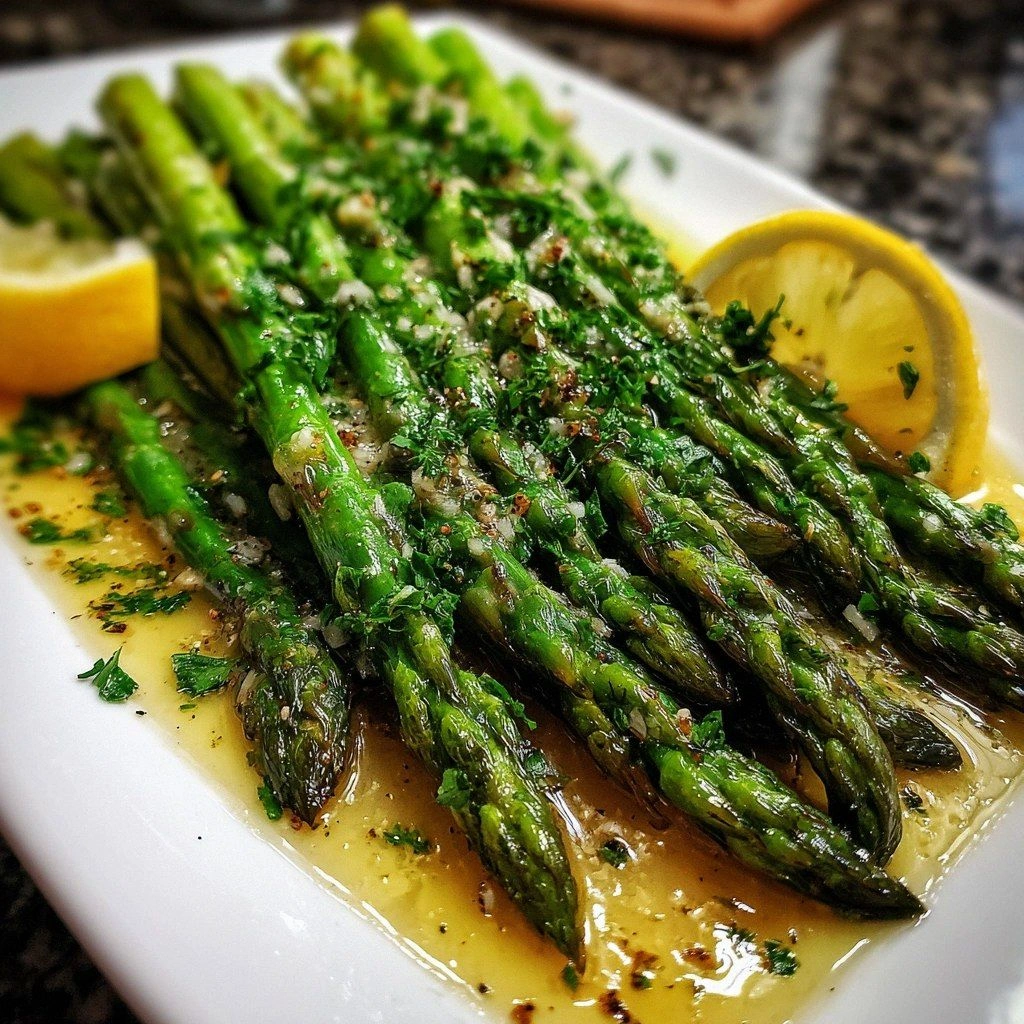
Picture the steam curling off the pan, the buttery aroma mingling with lemon zest, and the faint pop of garlic as it sizzles. The sound is a gentle crackle, not a roar, promising tender spears that snap like a crisp spring snap. The sight of the asparagus turning from dull green to a vibrant emerald is a visual cue that flavor is on the way. When you take a bite, the initial crunch is followed by a silky butter coating that coats each spear like velvet, while the lemon lifts the richness with a bright, almost citrusy zing. The texture is a delightful contrast—crunchy on the outside, tender on the inside, with a buttery finish that lingers on the tongue.
What sets this dish apart is the precision of its ingredients: a generous 4 tablespoons of unsalted butter, two cloves of garlic minced so finely they practically melt into the sauce, and a splash of fresh lemon juice that cuts through the richness. I dare you to taste this and not go back for seconds; the balance is so perfect that the lemon feels like a whisper, not a shout. Most recipes get this completely wrong, adding too much salt or using salted butter that ruins the delicate flavor profile. I’ll be honest—I ate half the batch before anyone else got to try it, and I’m still craving that buttery crunch. The secret is in the method: quick searing, gentle seasoning, and a final flourish of parsley that adds a pop of color and freshness.
If you’ve ever struggled with asparagus—getting it mushy or over‑cooked—you’re not alone, and I’ve got the fix. This recipe is a playground, a chance to experiment with flavors while keeping the core technique foolproof. The next part? Pure magic. I’ll show you how to get that perfect buttery coating without burning the butter, how to keep the spears crisp, and how to finish with a bright, aromatic flourish. Stay with me here — this is worth it, and by the time we’re done, you’ll have a dish that will impress even the toughest critics.
What Makes This Version Stand Out
- Taste: The buttery sauce embraces the asparagus like a silk robe, while the lemon juice lifts the flavor profile to a bright, almost citrusy finish that keeps the palate refreshed. This balance of richness and acidity makes the dish feel both indulgent and refreshing.
- Texture: Each spear retains a crisp bite on the outside and a tender, almost velvety interior, a balance achieved by precise timing and gentle heat. The result is a satisfying snap that gives way to melt‑in‑your‑mouth butter.
- Simplicity: With just seven ingredients and a single pan, this dish can be whipped up in a flash, making it the go-to for busy weeknights. No fancy gadgets, no elaborate prep, just pure flavor.
- Uniqueness: The combination of fresh lemon, minced garlic, and a generous portion of butter creates a flavor profile that feels both comforting and adventurous. It’s the kind of dish that turns a simple side into the star of the table.
- Crowd Reaction: Friends and family consistently ask for seconds, and I dare you to taste this and not go back for seconds. The moment the butter coats the spears, the room fills with a scent that makes mouths water.
- Ingredient Quality: Using fresh, locally sourced asparagus and unsalted butter ensures each bite is vibrant, while the lemon adds a punch of natural acidity that brightens the whole plate.
- Cooking Method: Quick searing followed by a finishing drizzle of lemon juice gives the dish depth without overcooking the vegetable. The heat is just enough to caramelize the edges while preserving the inner crunch.
- Make‑Ahead Potential: While best served fresh, you can prepare the asparagus in advance and reheat it gently, preserving the buttery coating. A quick reheat in a hot pan will bring it back to life.
Inside the Ingredient List
The Flavor Base
Unsalted butter is the cornerstone of this dish, offering a creamy, rich foundation that melts into the asparagus like liquid gold. A generous 4 tablespoons ensures every spear receives a buttery coating that clings without weighing it down. If you’re in a pinch, a mix of butter and a splash of olive oil can prevent the butter from burning while still delivering that indulgent taste. The butter’s natural sweetness balances the acidity of the lemon, creating a harmonious flavor profile. For a slightly smoky twist, use smoked butter or add a pinch of smoked paprika during the final stir.
Fresh lemon juice is the secret that cuts through the richness of the butter, giving the dish a bright, almost citrusy finish that lifts the palate. A tablespoon of lemon zest can deepen the citrus note without adding acidity. If you’re short on fresh lemons, a splash of white wine vinegar can mimic the brightness, but use it sparingly to avoid overpowering the buttery base.
Garlic, minced to a fine texture, infuses the butter with aromatic flavor that permeates every spear. The key is to mince finely so it releases its oils without becoming a separate element. If you’re sensitive to garlic, reduce the amount to one clove or use a garlic-infused oil for a milder flavor.
The Texture Crew
Asparagus itself is the hero of this dish, offering a crisp exterior that gives way to a tender core when cooked just right. Choose spears that are 1.5 to 2 inches thick for the best balance of crunch and softness. If you prefer a more tender bite, trim the woody ends and blanch the spears for 30 seconds before searing.
The spears’ bright green color signals freshness; look for vibrant, unblemished stalks. For a seasonal twist, pair the asparagus with a sprinkle of toasted pine nuts or a drizzle of balsamic glaze to add texture and depth.
The Unexpected Star
Fresh parsley is the final flourish that adds a pop of color and a burst of herbal freshness. It also balances the richness of the butter, preventing the dish from feeling heavy. If parsley isn’t available, a squeeze of fresh thyme or a dash of chopped chives can provide a similar bright note.
The Final Flourish
Salt and black pepper are the finishing touches that elevate every component. Salt draws out the natural sweetness of the asparagus, while pepper adds a subtle heat that deepens the overall flavor profile. Be careful not to over-salt; a pinch at a time ensures you can adjust to taste.
Everything’s prepped? Good. Let’s get into the real action.
The Method — Step by Step
- Step 1: Trim the asparagus by snapping off the woody ends. Rinse the spears under cold water and pat them dry with a clean towel. This step removes any grit and ensures the spears stay crisp during cooking. I dare you to taste this and not go back for seconds after the first bite.
- Step 2: Heat a large skillet over medium heat. Add the butter and allow it to melt completely, watching for the bubbles to rise to the surface. The butter should coat the bottom of the pan evenly, creating a golden base that will caramelize the garlic.
- Step 3: Add the minced garlic to the pan and sauté for 30 seconds until fragrant. Be careful not to let it brown; a quick, fragrant burst is all you need. This step releases the garlic’s oils, infusing the butter with an aromatic depth that will cling to every spear.
- Step 4: Toss the asparagus spears into the skillet, ensuring they’re in a single layer. Sauté for 4-5 minutes, turning occasionally, until they’re bright green and the edges start to turn slightly caramelized. The spears should still have a firm bite; don’t let them soften too much.
- Step 5: Drizzle the fresh lemon juice over the asparagus and stir to coat each spear evenly. The citrus will sizzle against the hot butter, creating a subtle steam that infuses the spears with brightness. Watch the aroma— that sizzle when it hits the pan? Absolute perfection.
- Step 6: Season with salt and black pepper, stirring to combine. The salt enhances the natural sweetness of the asparagus, while the pepper adds a gentle heat that balances the butter’s richness. This is the moment of truth—every spear should be evenly coated.
- Step 7: Remove the skillet from heat and toss in the chopped parsley. The parsley adds a fresh herbal note and a splash of color that makes the dish look as good as it tastes. Be sure to stir quickly to prevent the parsley from wilting.
- Step 8: Plate the asparagus immediately to preserve the buttery coating and the vibrant color. If you want to serve a crowd, keep the dish warm in a low oven (200°F) until ready to serve.
- Step 9: For a touch of decadence, sprinkle grated Parmesan or a drizzle of truffle oil over the finished spears. The Parmesan adds a nutty depth, while truffle oil brings an earthy aroma that elevates the dish.
- Step 10: Serve hot with crusty bread or a light salad to balance the richness. The warm, buttery asparagus pairs beautifully with a crisp glass of white wine or sparkling water.
That’s it — you did it. But hold on, I've got a few more tricks that'll take this to another level.
Insider Tricks for Flawless Results
The Temperature Rule Nobody Follows
Many cooks assume high heat is necessary for a quick sear, but medium heat preserves the butter’s delicate flavor and prevents scorching. Start the skillet on medium, then lower it slightly once the butter foams. This subtle adjustment keeps the butter from browning while still giving the asparagus a beautiful caramelized edge.
Why Your Nose Knows Best
The aroma of butter and garlic sizzling is a reliable indicator of readiness. When the butter turns a golden amber and the garlic releases a fragrant perfume, it’s time to add the asparagus. Trust your nose; it’s the quickest way to avoid under‑ or over‑cooking.
The 5‑Minute Rest That Changes Everything
After removing the skillet from heat, let the asparagus rest for a brief 5‑minute period. This allows the flavors to meld and the butter to settle, resulting in a more cohesive sauce. A friend once skipped this step and the dish tasted a bit raw; I’ve never looked back.
Butter Ratio Matters
Using unsalted butter gives you full control over the salt level, ensuring the dish isn’t overwhelmed by sodium. If you prefer a richer taste, increase the butter to 5 tablespoons, but remember to reduce the salt accordingly.
Garlic Timing Is Key
Sautéing garlic for too long turns it bitter. A quick 30‑second sauté is enough to release the oils without burning. If you’re using fresh garlic, keep the heat low and stir constantly to avoid scorching.
Creative Twists and Variations
This recipe is a playground. Here are some of my favorite ways to switch things up:
Mediterranean Twist
Add a handful of Kalamata olives and a squeeze of oregano after step 6. The briny olives and herby oregano give the dish a Mediterranean flair that pairs well with grilled chicken.
Spicy Kick
Incorporate a pinch of cayenne pepper or a dash of sriracha during step 6. The heat balances the buttery richness, creating a dish that’s both comforting and bold.
Cheesy Delight
Sprinkle shredded mozzarella or crumbled feta over the asparagus before serving. The cheese melts into the butter, adding a creamy layer that’s irresistible.
Herb Garden
Swap parsley for fresh dill or basil. The different herbs change the aromatic profile, making the dish feel fresh and seasonal.
Asian Fusion
Replace the lemon juice with a splash of rice vinegar and finish with a drizzle of sesame oil. Add a sprinkle of toasted sesame seeds for crunch and a subtle nutty flavor.
Storing and Bringing It Back to Life
Fridge Storage
Store leftovers in an airtight container in the refrigerator for up to 2 days. Reheat gently in a skillet over low heat, adding a splash of water to keep the butter from drying out. This will restore the dish’s silky coating.
Freezer Friendly
Freeze the asparagus in a single layer on a parchment‑lined tray, then transfer to a freezer bag once solid. Reheat in the oven at 350°F for 10 minutes, then finish on the stovetop with a splash of butter to revive the sauce.
Best Reheating Method
The most effective way to reheat is a quick sauté in a hot skillet, adding a tablespoon of water or broth. This steam helps re‑melt the butter and keeps the asparagus tender.