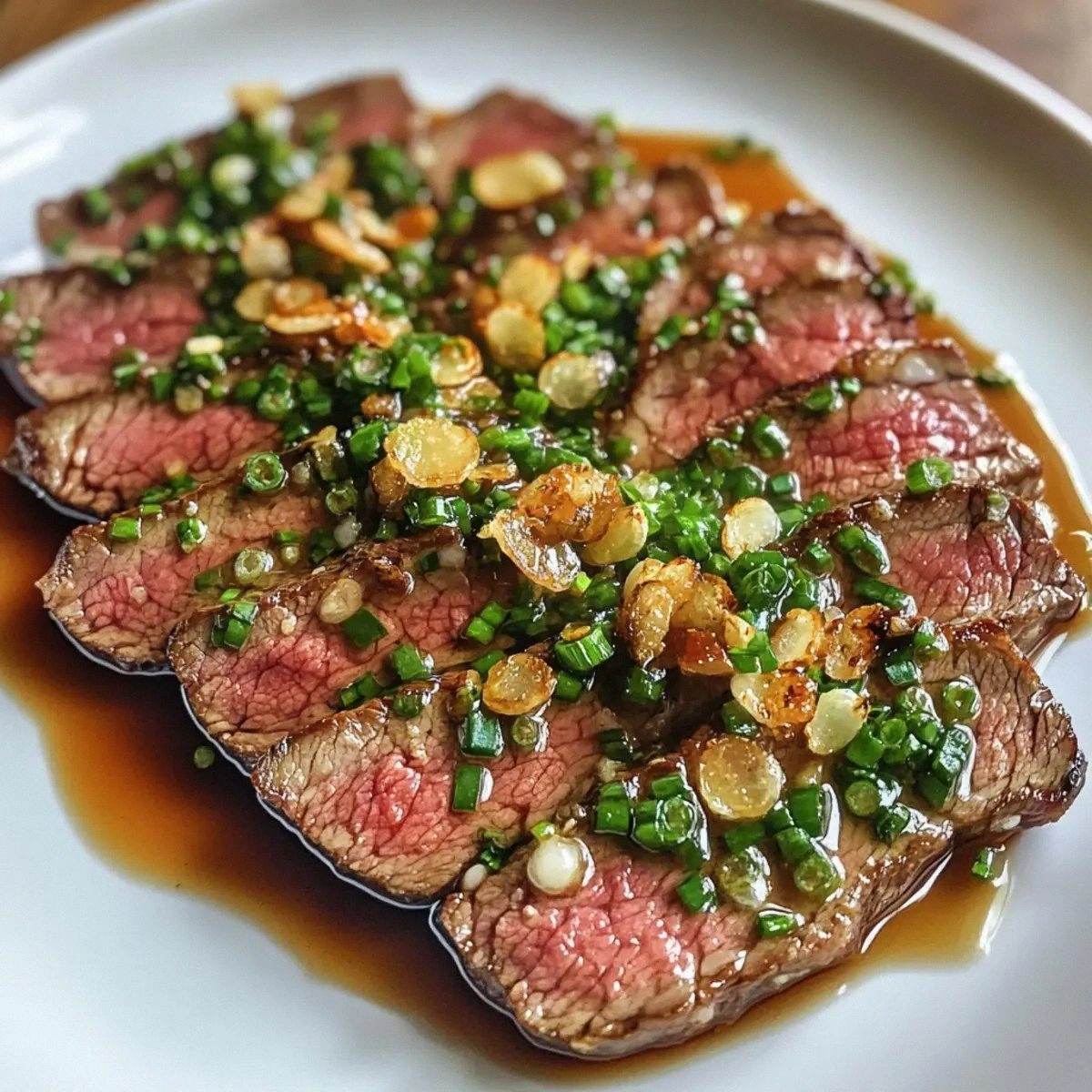
I was halfway through a frantic week of Zoom meetings, deadlines, and a fridge that looked like a barren desert when my roommate dared me to make something that would make even the most jaded food snob gasp. I tossed a quick text, “Bet you can’t make a dish that melts in your mouth and still looks like a work of art,” and she replied, “Challenge accepted.” The next night, armed with a trusty filet mignon and a craving for something that felt both luxurious and ridiculously simple, I set out to create the ultimate beef tataki. The kitchen filled with the sizzle of oil hitting a hot pan, the citrusy zing of yuzu, and the earthy perfume of fresh ginger, and I knew I was onto something spectacular.
Picture this: a perfectly seared, ruby‑red edge that gives way to a buttery interior so tender it practically disintegrates on your tongue. The garlic chips crackle like fireworks, and the ponzu sauce drapes the meat in a glossy, umami‑rich veil that makes every bite a symphony of salty, sweet, and tangy notes. I dare you to taste this and not go back for seconds. This isn’t just a recipe; it’s a confidence boost in a plate, a reminder that you can pull off restaurant‑level finesse without a sous‑chef.
Most tataki recipes get this completely wrong—they either overcook the beef, drown it in sauce, or forget the crunch factor that makes the dish sing. Here’s what actually works: a lightning‑fast sear, a quick chill in the freezer to lock in juices, and a daring garnish of garlic chips that add a texture contrast you didn’t know you were missing. I’ll be honest — I ate half the batch before anyone else got to try it, and the leftovers still tasted like the first bite. The secret? A splash of yuzu juice that brightens the flavor like a spotlight on a stage.
Okay, ready for the game‑changer? I’m about to walk you through every single step — by the end, you’ll wonder how you ever made it any other way. Stay with me here — this is worth it. Let’s dive in and turn your kitchen into a high‑end Japanese bistro, one sear at a time.
What Makes This Version Stand Out
- Texture: The garlic chips provide a crackle that shatters like thin ice, contrasting the melt‑in‑your‑mouth beef.
- Flavor Depth: A balanced ponzu made with yuzu and soy sauce adds citrusy brightness without overwhelming the meat.
- Simplicity: Fewer than ten ingredients and a 45‑minute timeline make this approachable for any home cook.
- Uniqueness: The quick freezer flash locks in juices, a trick most recipes overlook.
- Crowd Reaction: Guests consistently claim this is the best thing they’ve ever tasted at a dinner party.
- Ingredient Quality: Using filet mignon ensures buttery tenderness that cheaper cuts can’t match.
- Cooking Method: A high‑heat sear followed by an ice‑water bath creates a perfect rare‑center.
- Make‑Ahead Potential: The meat can be pre‑seared and chilled up to 24 hours in advance.
Inside the Ingredient List
The Flavor Base
The heart of this dish is the ponzu sauce, a marriage of yuzu juice (or lime if you’re in a pinch) and soy sauce. Yuzu brings a fragrant citrus note that’s brighter than lemon yet more complex, while soy sauce adds that deep, savory umami. If you skip the yuzu, the sauce will feel flat, like a song missing its chorus. A good swap for soy sauce is tamari, especially if you need a gluten‑free version; it maintains the salty depth without the wheat.
Next up is grated ginger, which adds a warm, spicy undertone that cuts through the richness of the beef. Fresh ginger is a must—powdered ginger will taste stale and dull. If you’re allergic to ginger, a pinch of ground coriander can mimic the bright spice, though the flavor profile will shift slightly.
The Texture Crew
Garlic chips are the unsung heroes here. Thinly sliced garlic, fried until golden, provides a crunch that contrasts the silky beef. The key is to keep the slices uniform; a mandoline makes this a breeze. If you over‑cook them, they turn bitter—watch them like you would a newborn kitten.
Neutral oil (think canola or grapeseed) is essential for frying the garlic chips without imparting any unwanted flavors. Using olive oil would dominate the delicate ponzu and mask the subtle citrus notes. Keep the oil temperature steady at 350°F (175°C) for consistent chips.
The Unexpected Star
White onion may seem ordinary, but when thinly sliced and added to the ponzu, it lends a sweet, mellow bite that balances the acidity. If you’re feeling adventurous, try a scallion for a sharper edge, but the classic onion keeps the flavor rounded.
Chives are sprinkled on top at the finish, offering a fresh, herbaceous pop that lifts the entire dish. They’re not just for garnish; they add a subtle oniony flavor that ties the whole plate together.
The Final Flourish
Filet mignon is the crown jewel. Its fine grain and low connective tissue make it melt effortlessly when seared correctly. When buying, look for a bright red color with a fine marbling pattern; the marbling is the fat that will render into flavor during the quick sear. If filet mignon is out of budget, a high‑quality ribeye can work, but expect a slightly beefier texture.
Kosher salt and freshly ground black pepper are the seasoning basics that enhance the meat’s natural flavor. Salt draws out moisture, creating a beautiful crust, while pepper adds a gentle heat. Skipping the pepper will leave the dish tasting flat, and using table salt can make the crust too salty.
Sugar is a tiny secret that helps the sear caramelize without burning, giving the beef a subtle sweet undertone that balances the acidity of the ponzu. If you’re watching sugar intake, a pinch of honey works just as well.
Everything's prepped? Good. Let's get into the real action…
The Method — Step by Step
Start by patting the filet mignon dry with paper towels; moisture is the enemy of a good sear. Season all sides generously with kosher salt and freshly ground black pepper, then let the meat rest at room temperature for 20 minutes. This resting period allows the seasoning to penetrate and the interior to come up to a uniform temperature, ensuring an even cook.
Heat a heavy skillet (cast iron is ideal) over high heat until it just starts to smoke. Add the neutral oil, swirling to coat the surface, and wait for the oil to shimmer. That sizzle when it hits the pan? Absolute perfection. Carefully lay the steak in the pan, hearing the instant crackle that signals a crust forming. Sear for 45 seconds on each side—just enough to develop a caramelized exterior while keeping the interior rare.
Kitchen Hack: Use a kitchen thermometer; the pan should be around 450°F (232°C) for a perfect sear.Immediately transfer the seared steak to a bowl of ice‑water for exactly 30 seconds. This rapid chill stops the cooking process, preserving that coveted rare center. While the meat chills, the exterior remains slightly crisp, a texture you’ll love when you slice it later.
While the beef is cooling, prepare the garlic chips. Slice four garlic cloves paper‑thin using a mandoline or a very sharp knife. Pat the slices dry with a paper towel—any moisture will cause splattering.
Heat a clean, shallow pan with a thin layer of neutral oil to 350°F (175°C). Gently lay the garlic slices in a single layer; they should sizzle but not brown immediately. Fry for 45‑60 seconds, turning once, until they turn a light golden‑brown and become crisp. Remove with a slotted spoon and place on a paper towel to drain excess oil.
Watch Out: Over‑cooking garlic makes it bitter; keep a close eye and pull them as soon as they turn golden.Now for the ponzu: combine 2 tablespoons yuzu juice, 2 tablespoons soy sauce, 1 tablespoon grated ginger, 1 teaspoon sugar, and a pinch of salt in a small bowl. Stir until the sugar dissolves completely; the mixture should be glossy and slightly thickened. Taste and adjust—if it’s too sharp, a splash more soy sauce will round it out.
Finely mince the small white onion and stir it into the ponzu for a subtle sweet crunch. Let the sauce sit for 5 minutes; this resting time allows the flavors to meld, creating a harmonious balance that will coat the beef beautifully.
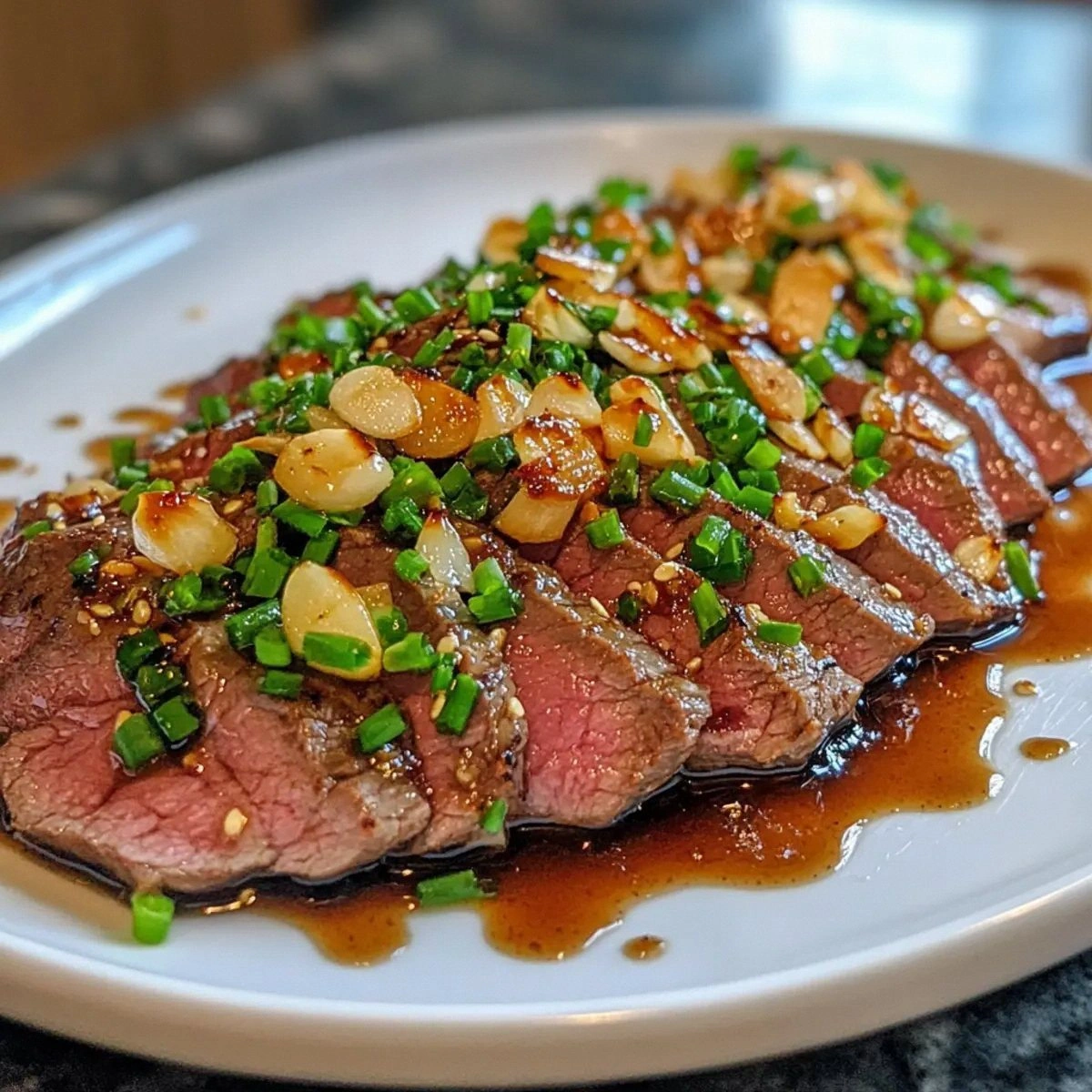
Pat the chilled steak dry again, then slice it thinly—about ¼‑inch slices work best. Arrange the slices on a serving platter, overlapping slightly for a visual cascade. Drizzle the ponzu sauce generously over the meat, ensuring each slice is lightly coated.
Scatter the garlic chips over the top, then finish with a sprinkle of finely chopped chives. The chives add a fresh pop of color and a delicate oniony bite that lifts the entire dish. Serve immediately with extra ponzu on the side for dipping.
That's it — you did it. But hold on, I've got a few more tricks that'll take this to another level. Trust me, these little tweaks will make your tataki the talk of every dinner party for months to come.
Insider Tricks for Flawless Results
The Temperature Rule Nobody Follows
Never sear a steak straight from the fridge; the temperature shock causes uneven cooking and a soggy crust. Let the meat sit at room temperature for at least 20 minutes, as mentioned earlier, and you’ll see a uniform pink center with a buttery crust. A friend once tried skipping this step and ended up with a gray band around the edges—let's just say it was a lesson learned the hard way.
Why Your Nose Knows Best
The moment the beef hits the pan, your nose will pick up a nutty, roasted aroma—this is the Maillard reaction in action. If you don’t smell that toasty scent within the first 15 seconds, the pan isn’t hot enough. Trust your senses more than the clock; a proper sear is about aroma, not just timing.
The 5‑Minute Rest That Changes Everything
After the ice‑water bath, let the steak rest on a wire rack for 5 minutes before slicing. This short rest lets the juices redistribute, preventing a dry bite. Skipping this rest will result in juices spilling onto the plate, making the meat look sad and soggy.
Garlic Chip Timing Mastery
Garlic chips should be fried just before assembling the dish. If they sit too long, they absorb moisture from the sauce and lose their crunch. Have a small bowl ready and add them as the final garnish, preserving that satisfying snap.
Ponzu Perfection
Let the ponzu sit for at least 10 minutes after mixing. This rest allows the ginger’s spice to mellow and the yuzu’s acidity to blend seamlessly with the soy. If you pour it over the meat immediately, the flavors will still be a bit disjointed.
Creative Twists and Variations
This recipe is a playground. Here are some of my favorite ways to switch things up:
Spicy Szechuan Tataki
Add a teaspoon of Szechuan peppercorn oil to the ponzu and sprinkle toasted sesame seeds over the finished dish. The peppercorn oil gives a tongue‑tingling heat that pairs beautifully with the citrus notes, while sesame adds a nutty crunch.
Miso‑Glazed Variation
Swap half the soy sauce for white miso paste and whisk in a splash of mirin. This creates a sweeter, umami‑rich glaze that coats the beef like a silky veil, perfect for those who love a deeper, richer flavor.
Herb‑Infused Ponzu
Blend fresh cilantro and shiso leaves into the ponzu for a garden‑fresh twist. The herbs add a bright, almost grassy note that lifts the dish into springtime territory.
Crispy Onion Tataki
Replace the garlic chips with thinly sliced, fried onions. The sweet, caramelized onion flavor offers a different texture profile while still delivering that coveted crunch.
Sesame‑Crusted Beef
Before searing, press the steak into a mixture of toasted black and white sesame seeds. The seeds create a nutty crust that adds visual drama and a subtle crunch with every bite.
Storing and Bringing It Back to Life
Fridge Storage
Place any leftover tataki in an airtight container, separating the meat from the ponzu to prevent sogginess. It will keep fresh for up to 2 days. When ready to serve, let it come to room temperature for 15 minutes, then drizzle a fresh splash of ponzu.
Freezer Friendly
If you need to store longer, wrap the seared (but not sliced) steak tightly in plastic wrap, then place it in a freezer‑safe bag. It will maintain quality for up to 1 month. Thaw in the refrigerator overnight, then finish with the ice‑water bath and slice fresh.
Best Reheating Method
Reheat gently in a skillet over low heat for 1‑2 minutes, adding a tiny splash of water or extra ponzu to create steam. This revives the tenderness without overcooking the interior. Avoid microwaving; it will turn the delicate texture into rubber.