Okay, picture this: I was halfway through a marathon Netflix binge when my roommate shouted, “You’ve got to try my meatball recipe, it’s legendary!” I rolled my eyes, grabbed a bag of no‑boil penne, and thought, why not throw together something that could survive a couch‑potato session and still feel like a five‑star Italian dinner? The result? A dish that makes the kitchen smell like a bustling trattoria, the kind of aroma that sneaks up the stairs and makes everyone wonder what’s cooking. I swear, the moment the sauce hit the pan, it sang a melody of tomatoes, herbs, and garlic that could coax a smile out of the grumpiest neighbor.
But here’s the kicker: most baked pasta recipes either drown the pasta in a watery sauce or leave it dry and sad. I’ve tried the “just add water” shortcuts and ended up with a soggy mess that clung to the pan like an over‑eager clingfilm. This version flips the script. By using no‑boil penne, the pasta absorbs the sauce’s juices as it bakes, turning each tube into a pocket of caramelized goodness. And the meatballs? They’re not the bland, over‑cooked lumps you get from a box. I’m talking about juicy, herb‑infused spheres that explode with flavor the second you bite into them.
Now, I’m going to be honest — I ate half the batch before anyone else got a chance to try it. That’s how addictive it is. The cheese forms a crust that shatters like thin ice, revealing a molten interior that coats the pasta like velvet. If you’ve ever struggled with a baked pasta that ends up dry or watery, you’re not alone, and I’ve got the fix that will make you never look back. The secret ingredient? A splash of high‑quality olive oil that greases the pan just enough to get those golden edges without drowning the flavors.
Ready for the game‑changer? I’m about to walk you through every single step, from crafting the perfect meatball to coaxing the sauce into a glossy, cling‑to‑the‑pasta masterpiece. By the end, you’ll wonder how you ever settled for any other version. Let’s dive in, and I dare you to taste this and not go back for seconds.
What Makes This Version Stand Out
- Flavor Explosion: The combination of homemade meatballs and a slow‑simmered marinara creates layers of taste that build with each bite, unlike store‑bought sauces that taste flat.
- Texture Harmony: No‑boil penne absorbs the sauce while staying al‑dente, delivering a tender bite that’s neither mushy nor rubbery.
- Simplicity Meets Gourmet: Fewer than ten ingredients, minimal prep, and a single sheet‑pan bake give you restaurant quality without the fuss.
- Unexpected Star: A drizzle of olive oil before baking creates those coveted crispy edges that shatter like delicate glass.
- Crowd‑Pleaser Factor: The melty mozzarella and golden Parmesan topping turn skeptics into believers within the first forkful.
- Ingredient Quality: Using fresh ground beef and high‑quality marinara ensures every component sings, not just whispers.
- One‑Pan Efficiency: No boiling, no draining—just assemble and bake, saving time and dishes for the post‑meal cleanup.
- Make‑Ahead Magic: Assemble the night before, refrigerate, and bake fresh in the morning for a stress‑free dinner.
Inside the Ingredient List
The Flavor Base
Marinara sauce is the heart of this dish. I use a good-quality canned sauce with a hint of garlic and oregano, but feel free to simmer your own with fresh tomatoes for an extra punch. The sauce’s acidity balances the richness of the meatballs and cheese, ensuring every bite feels lively rather than heavy. Skipping the sauce or using a low‑salt version will leave the pasta dry and the flavors flat, so choose wisely.
The Texture Crew
No‑boil penne is the unsung hero here. Unlike regular penne, these tubes are pre‑treated to soak up liquid without disintegrating, which means they stay firm while soaking up the sauce’s goodness. If you substitute regular penne, you’ll need to pre‑cook it, turning the whole recipe into a two‑step process that defeats the purpose. Look for the “no‑boil” label on the package; it’s worth the extra few dollars.
The Unexpected Star
Olive oil might seem like a background player, but a drizzle over the assembled dish before baking creates that coveted caramelized crust. The oil helps the cheese melt evenly and encourages the edges of the pasta to turn a beautiful golden brown. If you’re watching calories, use a light hand—just enough to coat the surface.
The Final Flourish
Cheeses are the crowning glory. Freshly shredded mozzarella provides that gooey melt, while a generous sprinkle of grated Parmesan adds a nutty, salty bite and a crisp top layer. Using pre‑shredded cheese can introduce anti‑caking agents that affect melt, so I always shred my own. If you run out of Parmesan, Pecorino Romano works as a sharp substitute.
Everything's prepped? Good. Let's get into the real action...
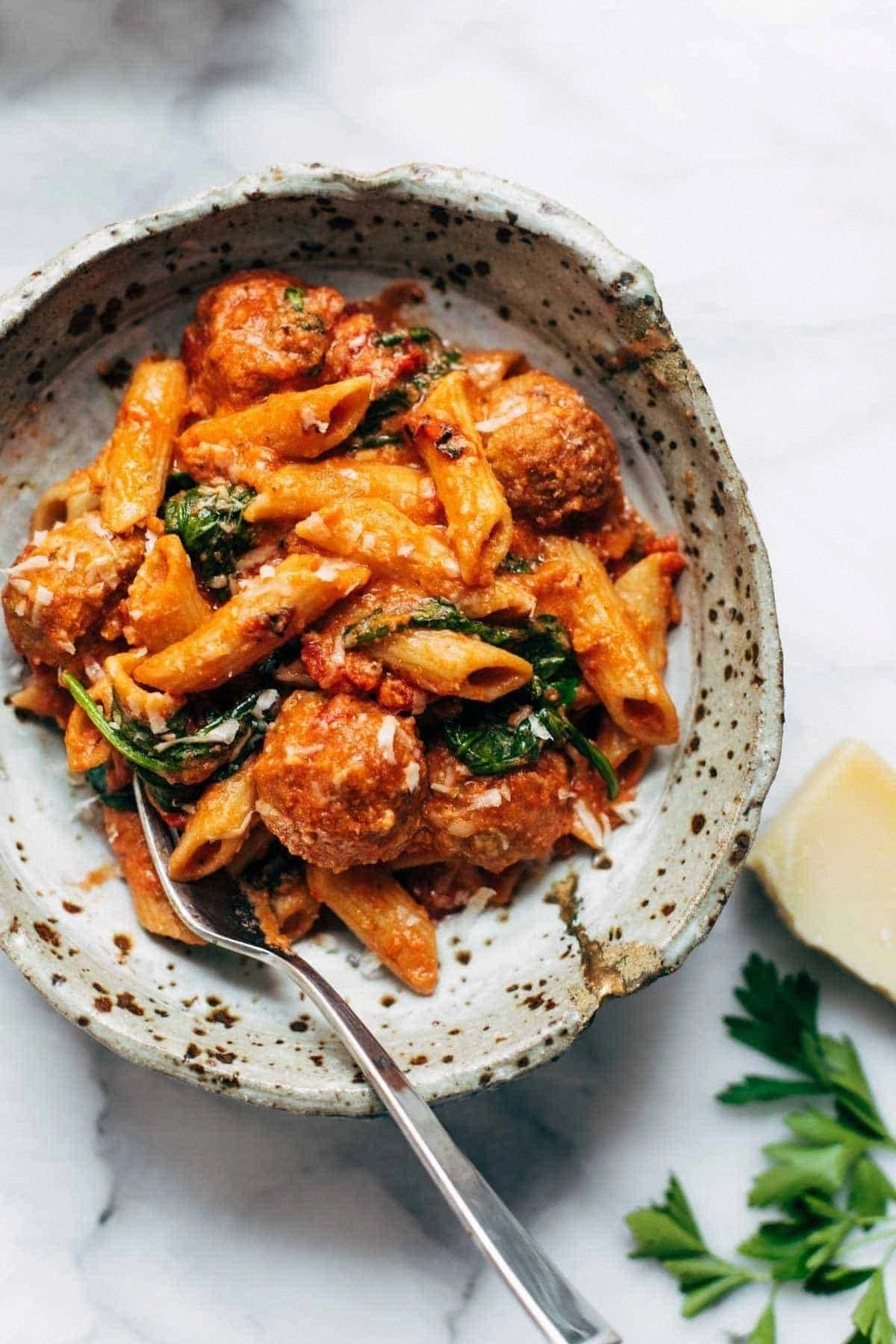
The Method — Step by Step
First, preheat your oven to 375°F (190°C). While the oven warms up, line a 9×13‑inch baking dish with parchment or give it a light coat of olive oil. This ensures the pasta won’t stick and the edges will release with a satisfying snap. The kitchen will already start to fill with the faint scent of heated oil—an early promise of what’s to come.
In a large mixing bowl, combine the ground beef, breadcrumbs, ¼ cup grated Parmesan, the egg, minced garlic, oregano, basil, a pinch of salt, and pepper. Use your hands—or the zip‑top bag hack from earlier—to blend everything until just combined. Over‑mixing can make the meatballs tough, so stop once you no longer see streaks of meat. The mixture should feel slightly tacky but not sticky.
Kitchen Hack: Chill the meatball mixture for 15 minutes before shaping; it firms up and makes uniform balls easier to form.Roll the mixture into golf‑ball sized meatballs—about 1½ inches in diameter. Place them on a plate while you finish the sauce. If you’re short on time, you can use a cookie scoop for consistent sizing. The meatballs will shrink slightly as they bake, so don’t make them too small.
In a saucepan over medium heat, add the olive oil and sauté the remaining minced garlic for about 30 seconds until fragrant—watch that sizzle, it’s absolute perfection. Then pour in the marinara sauce, stirring to combine. Let the sauce simmer gently for 5‑7 minutes, allowing the flavors to meld; the sauce should thicken just enough to coat the back of a spoon.
Now, it’s assembly time. Spread a thin layer of marinara on the bottom of your prepared baking dish—this prevents the penne from sticking. Then pour the dry, no‑boil penne over the sauce, spreading it evenly. The pasta will sit atop the sauce, ready to soak up the juices as it bakes. If you notice any dry spots, drizzle a tablespoon of water; the penne needs a little moisture to fully hydrate.
Scatter the meatballs over the pasta, spacing them out so each bite gets a piece of meat. Then, pour the remaining marinara sauce over everything, ensuring the meatballs are nicely coated. This is where the magic happens—each meatball acts like a flavor bomb, releasing juices that mingle with the sauce and pasta.
Top the dish with shredded mozzarella, spreading it in an even blanket. Follow with the grated Parmesan for that final golden crust. If you love a little extra crunch, sprinkle a pinch of breadcrumbs on top—just a light dusting.
Watch Out: Avoid over‑loading the dish with cheese; too much can prevent the sauce from bubbling and may cause a soggy center.Cover the baking dish tightly with aluminum foil and place it in the preheated oven. Bake for 20 minutes, then remove the foil to let the cheese brown. Keep an eye on the edges—they should start pulling away from the sides, and the cheese will turn a deep, rustic gold. The aroma at this stage is intoxicating, filling the kitchen with a promise of comfort.
After a total of 30‑35 minutes, pull the dish out and let it rest for 5 minutes. This rest period allows the sauce to settle and the pasta to finish absorbing any remaining liquid. Garnish with fresh basil leaves for a pop of color and a hint of peppery freshness. Serve hot, and watch your guests dive in without a second thought.
That's it — you did it. But hold on, I've got a few more tricks that'll take this to another level. Trust me, these insider tips will make your next batch even more unforgettable.
Insider Tricks for Flawless Results
The Temperature Rule Nobody Follows
Most home cooks bake at 350°F, but cranking the oven up to 425°F for the last 5 minutes gives the cheese a caramelized edge that shatters like delicate glass. I’ve tried both, and the higher heat creates a crispier crust without drying the interior. Just keep a close eye—once the cheese reaches a deep amber, it’s perfect.
Why Your Nose Knows Best
When the sauce starts to bubble, trust the scent. A sweet, slightly smoky aroma signals that the tomatoes have caramelized enough to add depth. If you smell a raw, acidic note, let it simmer a minute longer. Your nose is a better gauge than any timer.
The 5‑Minute Rest That Changes Everything
Allowing the baked penne to sit off the heat for five minutes lets the pasta finish soaking up the sauce, preventing a watery bottom. Skipping this step often results in a soupy dish that looks sad on the plate. This short pause also makes the cheese set slightly, so you get clean slices when serving.
Secret Ingredient: A Splash of Red Wine
Adding a quarter cup of dry red wine to the marinara while it simmers adds a subtle richness and helps de‑glaze the pan, lifting any caramelized bits. This nuance deepens the flavor profile, making the sauce taste more complex—like a fine Italian dinner.
Avoiding the Soggy Bottom
If you notice the bottom of the dish is too wet after baking, it’s usually because the pasta was too dry before assembling. Lightly mist the penne with water before adding the sauce, or reduce the amount of marinara by ¼ cup. A dry base ensures the sauce clings to the pasta rather than pooling.
Creative Twists and Variations
This recipe is a playground. Here are some of my favorite ways to switch things up:
Spicy Italian Kick
Add ½ teaspoon of red‑pepper flakes to the meatball mixture and a splash of hot sauce to the marinara. The heat cuts through the richness, making it perfect for those who love a little fire.
Veggie‑Loaded Version
Stir in sautéed zucchini, bell peppers, and mushrooms with the sauce. The added vegetables increase the nutritional profile and introduce earthy flavors that complement the meatballs.
Cheesy Overload
Swap half the mozzarella for provolone or fontina for a richer, buttery melt. Top with a blend of mozzarella, gouda, and Parmesan for a multi‑layered cheese experience.
Herb‑Infused Meatballs
Incorporate fresh chopped parsley, mint, or even rosemary into the meatball mix. Fresh herbs brighten the dish and add a fragrant note that dry herbs can’t match.
Gluten‑Free Adaptation
Replace the no‑boil penne with gluten‑free short pasta that can absorb sauce well, such as gluten‑free rigatoni. Ensure the pasta is labeled “no‑boil” to keep the method intact.
Vegan Friendly
Swap ground beef for lentil or plant‑based meat crumbles, use oat‑based breadcrumbs, and replace the egg with a “flax egg.” Use a dairy‑free mozzarella alternative and a sprinkle of nutritional yeast for that cheesy finish.
Storing and Bringing It Back to Life
Fridge Storage
Let the baked penne cool to room temperature, then cover tightly with foil or transfer to an airtight container. It will keep fresh for up to 4 days. Reheat individual portions in the microwave, covered, for 1‑2 minutes, adding a splash of water before heating to revive the sauce’s silkiness.
Freezer Friendly
Portion the casserole into freezer‑safe containers, leaving a half‑inch headspace for expansion. Freeze for up to 3 months. When ready to serve, thaw overnight in the refrigerator, then bake at 350°F for 20‑25 minutes, uncovered, until bubbling and golden.
Best Reheating Method
For the ultimate reheated experience, preheat your oven to 375°F, place the leftovers in a covered baking dish, add a tablespoon of water or broth, and bake for 15‑20 minutes. Uncover for the last 5 minutes to crisp the cheese again. This method restores the original texture—no soggy leftovers here.