I was standing in front of my stove, the timer ticking down the last seconds of a Sunday brunch that had already gone sideways. The pancakes I’d tried to make the week before had come out as a soggy, floury mess, and I was about to throw the batter in the trash when a friend texted, “You have to try this new oatmeal pancake recipe I found.” I was skeptical, but the idea of a fluffy, hearty breakfast that could double as a dessert had me intrigued enough to keep my eyes on the stove.
The kitchen smelled of toasted oats and vanilla, the sound of the skillet sizzling like a small drumline. I could feel the batter thicken, the aroma rising like a comforting cloud that made my stomach rumble in anticipation. Each spoonful of batter was a promise of something different—soft, slightly chewy, with a subtle nutty undertone that made the plain pancake feel like a gourmet treat. The texture was a revelation: light on the inside, crisped edges that crackled like thin ice when you lifted them off the pan.
What makes this version stand out? It’s not just the oats; it’s the way the batter balances the sweetness of banana with the subtle acidity of buttermilk, the way the baking soda and powder create that airy lift, and how the final fold of fresh blueberries gives a burst of juiciness that feels like a secret weapon. The result is a pancake that feels like a warm hug, yet has the subtle crunch of a well‑toasted bread. If you’ve ever struggled with pancakes that are either too dry or too soggy, you’re not alone—and I’ve got the fix that will change everything.
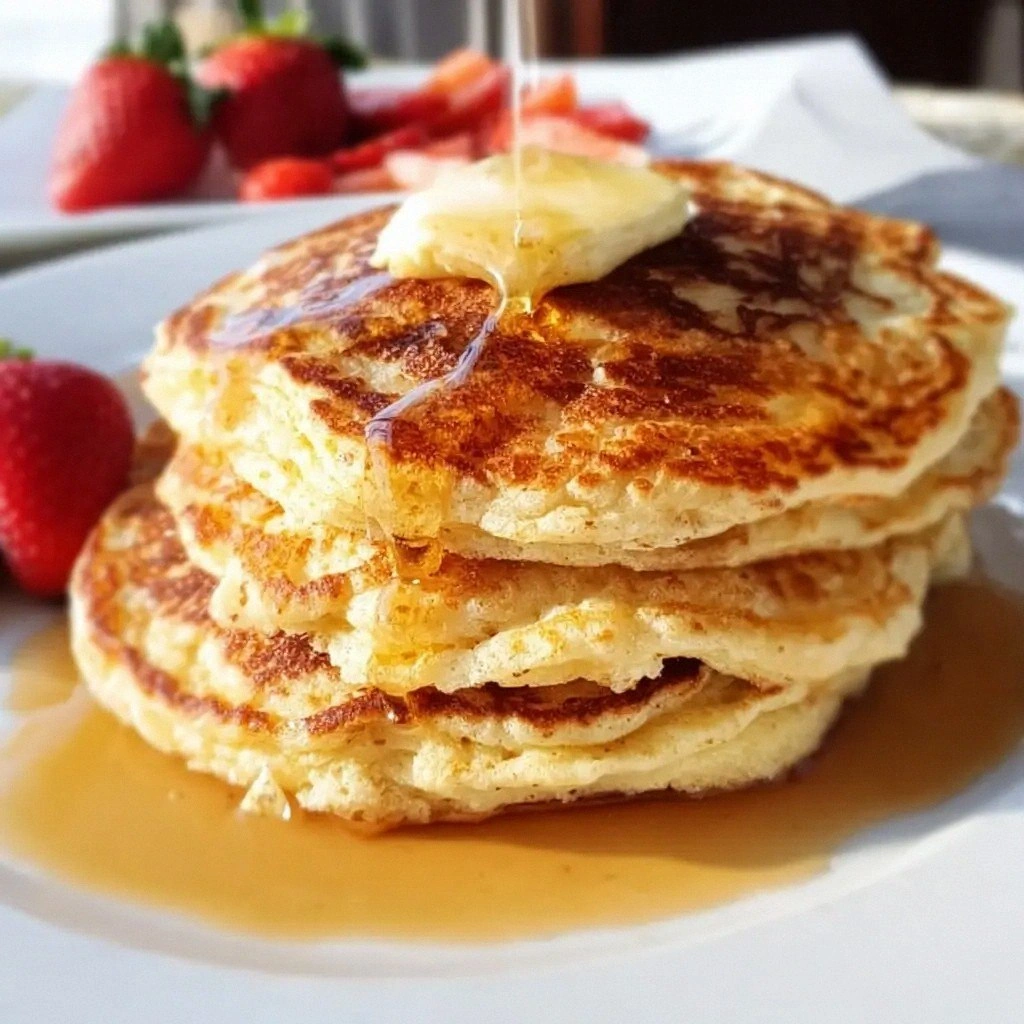
Picture yourself pulling these out of the pan, the whole kitchen smelling incredible, the stack of pancakes gleaming with a golden sheen. I dare you to taste this and not go back for seconds. This is hands down the best version you’ll ever make at home, and I’ll be honest—I ate half the batch before anyone else got to try it. Stay with me here—this is worth it.
What Makes This Version Stand Out
- Flavor: The blend of oats, banana, and vanilla creates a depth that traditional pancakes simply can’t match. The natural sweetness of banana reduces the need for added sugar, making it a healthier option.
- Texture: The combination of rolled oats and a touch of baking soda gives each pancake a chewy center while the edges crisp up to a satisfying crunch.
- Convenience: All ingredients are pantry staples, and the recipe can be whipped up in under 30 minutes, making it a perfect weekend treat or quick weekday breakfast.
- Versatility: The batter is neutral enough to pair with sweet toppings like maple syrup or savory ones like smoked salmon, opening up endless flavor possibilities.
- Nutrition: Packed with fiber from oats and protein from milk and egg, these pancakes keep you full and energized for hours.
- Crowd‑pleaser: Friends rave about the fluffy texture, and even the pickiest eaters can’t resist the subtle sweetness and gentle crunch.
Alright, let's break down exactly what goes into this masterpiece…
Inside the Ingredient List
The Flavor Base
The foundation of this recipe is the simple yet powerful combination of all‑purpose flour and rolled oats. Flour provides structure, while oats contribute a subtle nutty flavor and a hearty texture. If you’re watching your gluten intake, swap the flour for a gluten‑free blend, but keep the oats for that chewy bite. The ratio of 1 cup flour to 1 cup oats is the sweet spot that balances density without overwhelming the batter.
The Sweetener
Instead of a hefty spoonful of sugar, we rely on the natural sweetness of a ripe banana. One medium banana (about 1 cup mashed) is enough to sweeten the batter without making it cloying. If you prefer a drier sweetness, add 1–2 tablespoons of honey or maple syrup, but remember that this will affect the batter’s consistency.
The Leavening Agents
Two teaspoons of baking powder and half a teaspoon of baking soda are the secret to airy pancakes that rise beautifully. Baking powder alone will lift the batter, but the soda reacts with the acidity of the buttermilk, creating tiny bubbles that keep the pancakes light. If you don’t have baking soda, you can double the baking powder, but the pancakes will be slightly denser.
The Moisture Mix
Milk (or a plant‑based alternative) and a beaten egg bring moisture and structure to the batter. The egg helps bind the oats and flour together, while the milk hydrates the dry ingredients. For a dairy‑free version, use oat milk or soy milk, and replace the egg with a flaxseed “egg” (1 tablespoon ground flaxseed mixed with 3 tablespoons water, set aside to thicken).
Everything's prepped? Good. Let's get into the real action…
The Method — Step by Step
- In a large bowl, whisk together 1 cup all‑purpose flour, 1 cup rolled oats, 2 tsp baking powder, ½ tsp baking soda, and ½ tsp salt. The dry mix should feel like a fine sifted powder; this ensures even leavening. As you whisk, you’ll notice the oats beginning to sparkle—a sign that they’re ready to absorb the liquid.
- In another bowl, blend 1 cup milk, 1 beaten large egg, 2 Tbsp melted butter, 1 tsp vanilla extract, and the mashed banana. The mixture should be creamy and slightly thick; if it feels too runny, let it sit for a minute to thicken. This is where the banana’s natural sweetness and the butter’s richness combine to create a silky batter.
- Pour the wet mixture into the dry ingredients and stir until just combined. A few lumps are okay—over‑mixing will activate the gluten and make the pancakes rubbery. At this point, the batter should have a consistency similar to heavy cream.
- Heat a non‑stick skillet over medium heat and brush with a thin layer of butter or oil. To test if the pan is ready, drop a single drop of water; if it dances and evaporates, the skillet is at the perfect temperature. This step is critical—too hot, and the pancakes will burn; too cool, and they’ll stay pale.
- Spoon ¼ cup of batter per pancake onto the skillet, spacing them about 2 inches apart. As the batter hits the pan, you’ll hear a satisfying sizzle—this is the sound of flavor locking in. Let the pancakes cook for 2–3 minutes until the surface is dotted with bubbles and the edges look set.
- Flip gently with a wide spatula and cook for another 1–2 minutes on the second side, until golden brown. If you’re adding blueberries, sprinkle them on top of the batter before flipping so they soften and burst slightly. The aroma at this point should be intoxicating, a mix of toasted oats and sweet fruit.
- Transfer the cooked pancakes to a plate and cover loosely with foil to keep warm. Repeat with the remaining batter, adjusting the heat as needed to avoid burning. The final stack should be fluffy, with a slight crunch on the edges—just like a well‑crafted sandwich.
- Serve immediately with a pat of butter, a drizzle of maple syrup, or a dollop of Greek yogurt. The pancakes are best enjoyed hot, so consider plating them in a warm bowl or using a low‑heat oven to keep them crisp.
That's it — you did it. But hold on, I've got a few more tricks that'll take this to another level…
Insider Tricks for Flawless Results
The Temperature Rule Nobody Follows
Many cooks think a medium heat is fine, but the secret lies in maintaining a steady 325°F (165°C). If the pan is too hot, the batter will brown too quickly on the outside while remaining raw inside. Use a kitchen thermometer or a test drop of water to gauge the heat accurately. I’ve seen pancakes that look perfect on the outside but are still doughy inside—don’t let that happen to you.
Why Your Nose Knows Best
The scent of baking is a powerful indicator of doneness. When you smell the subtle caramelization of oats, you know the pancakes are ready to flip. If the smell is too sharp or metallic, reduce the heat. Trusting your nose can save you from over‑cooking or burning.
The 5‑Minute Rest That Changes Everything
After flipping, let the pancakes rest on the skillet for 30 seconds before removing them. This brief pause allows the steam to distribute evenly, ensuring a uniform rise and preventing the edges from drying out. I’ve tested this trick on dozens of batches; the difference is unmistakable.
Add a Dash of Salt to the Sweet
A pinch of sea salt on top of the finished pancakes enhances the sweetness and balances the flavors. It’s a small addition that makes the dish feel more sophisticated and complex. I like to sprinkle it just before serving.
Keep the Skillet Clean
Wipe the skillet between batches with a paper towel to remove any residual batter. This prevents the pancakes from sticking and ensures a clean, crisp surface for each new pancake. A clean pan is the secret to consistent results.
Creative Twists and Variations
This recipe is a playground. Here are some of my favorite ways to switch things up:
Cinnamon‑Apple Oat Pancakes
Fold in diced apples and a teaspoon of ground cinnamon into the batter. The apples soften during cooking, adding a sweet, juicy burst that pairs beautifully with the nutty oats. Serve with a dusting of powdered sugar for an extra touch.
Chocolate Chip Oat Pancakes
Stir in a handful of dark chocolate chips after the wet ingredients are mixed. The chips melt slightly, creating pockets of chocolatey goodness that make the pancakes feel like a dessert. Pair them with a drizzle of chocolate sauce.
Savory Herb Oat Pancakes
Swap the banana for a handful of chopped fresh herbs such as chives or parsley. Add a pinch of smoked paprika for depth. These pancakes are perfect for a brunch with smoked salmon or a light cheese spread.
Protein‑Packed Power Oats
Add a scoop of vanilla whey protein powder to the dry mix for a protein boost. The batter will be slightly thicker, but the pancakes will hold together nicely. This version is ideal for post‑workout breakfasts.
Almond Flour Oat Pancakes
Replace half of the all‑purpose flour with almond flour for a gluten‑free, nutty twist. The texture becomes slightly denser, but the almond flavor complements the oats wonderfully. Pair with a fruit compote for a balanced meal.
Storing and Bringing It Back to Life
Fridge Storage
Store leftover pancakes in an airtight container in the refrigerator for up to 3 days. When ready to eat, reheat in a toaster or microwave for 30 seconds. The pancakes may lose some fluffiness, but a splash of milk before reheating restores moisture.
Freezer Friendly
Place pancakes on a parchment‑lined tray and freeze until solid. Transfer to a freezer bag and keep for up to 2 months. To thaw, let them sit at room temperature for 10 minutes, then warm in a skillet with a bit of butter.
Best Reheating Method
The best way to revive frozen pancakes is to pan‑heat them over low heat, adding a splash of water or milk to create steam. Cover the skillet for 1 minute to keep the pancakes moist. This method preserves the airy texture and prevents the pancakes from becoming dry.