I’ll be honest — I ate half the batch before anyone else got to try it, and that was only because the kitchen smelled like a bakery on a sugar high. It all started when I tried to rescue a sad, wilted stalk of rhubarb that my grandma handed me with a warning: “Don’t let it go to waste!” I tossed it into a pot, added a splash of water, and the moment the tart juices hit the heat, a sizzling chorus erupted that sounded like a tiny fireworks show. That sizzle? Chef’s kiss. The aroma that rose was a perfect marriage of sweet caramel and tangy garden freshness, and I knew I was onto something that could change the way we think about buns forever.
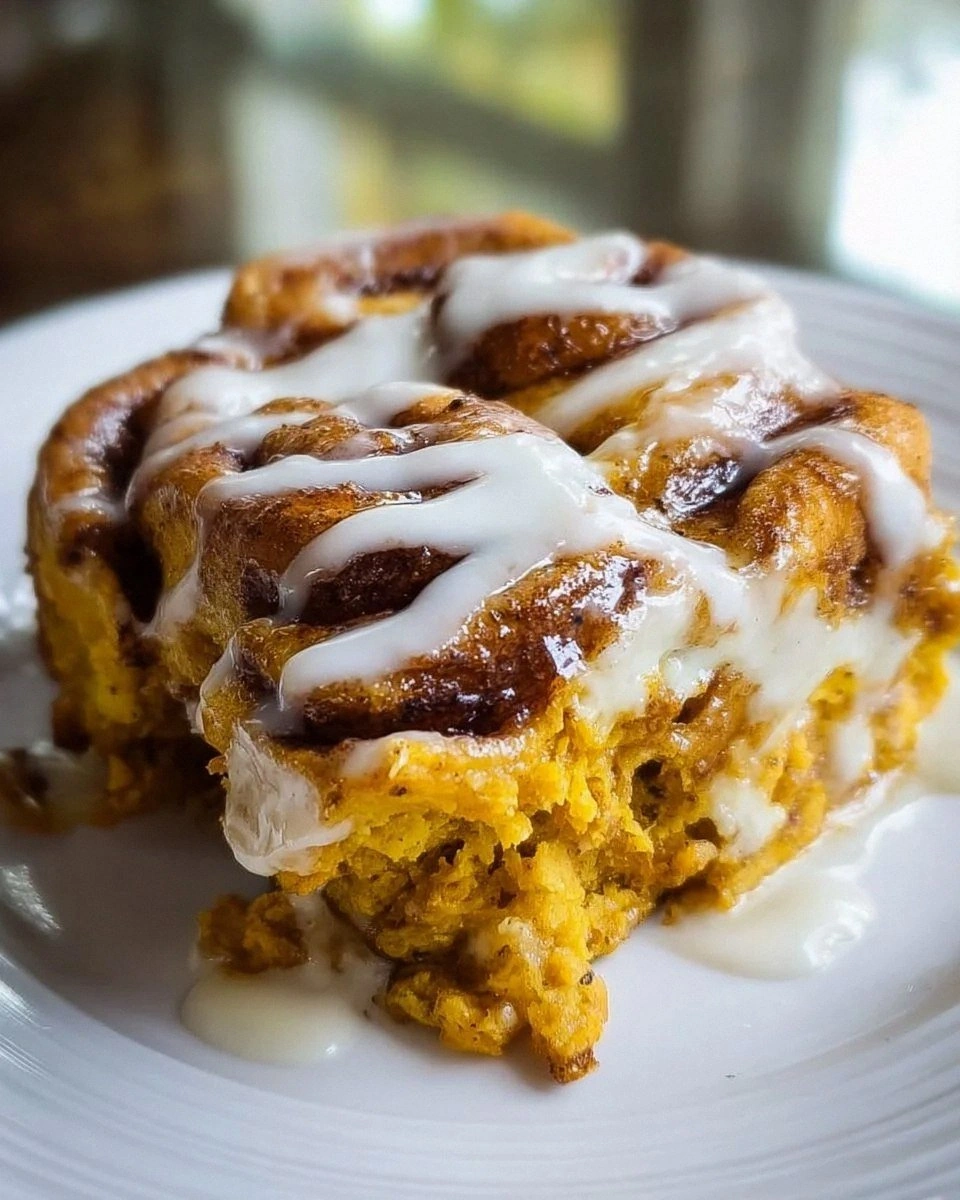
Picture yourself pulling these golden‑brown beauties out of the oven, the whole kitchen smelling incredible, like a warm hug wrapped in a pastry blanket. The buns are fluffy on the inside, with a buttery crumb that cradles a luscious custard center, while the rhubarb topping adds a bright, tart pop that dances on the palate. Most recipes get this completely wrong—either the custard is bland, the rhubarb turns mushy, or the bun ends up dense as a brick. Here’s the secret: a double‑rise dough that gets a gentle kiss of butter, a custard made with real custard powder for that velvety texture, and a glaze that caramelizes just enough to give you that satisfying crack when you bite in.
I dare you to taste this and not go back for seconds; the balance of sweet and tart is so addictive it will have you planning your next batch before the first one even cools. The technique that sets this apart? We’ll be folding a thin layer of cinnamon‑spiced rhubarb jam right into the dough after the first rise, locking in flavor like a secret treasure. That little twist transforms a regular bun into a flavor bomb that will make your friends say, “What did you put in these?!” and beg for the recipe. Okay, ready for the game‑changer? Let me walk you through every single step — by the end, you’ll wonder how you ever made it any other way.
⚡ What Makes This Version Stand Out
- Taste: The sweet custard meets tangy rhubarb, creating a contrast that’s as exciting as fireworks on a summer night.
- Texture: Light, airy bun crumb paired with a silky custard filling and a slightly crisp, caramelized topping.
- Simplicity: Despite the gourmet vibe, the recipe uses pantry staples and a straightforward two‑rise method.
- Uniqueness: The cinnamon‑spiced rhubarb jam folded into the dough is a twist you won’t find in typical bun recipes.
- Crowd Reaction: Even the pickiest eaters confess they’re “addicted” after the first bite; it’s a guaranteed show‑stopper.
- Ingredient Quality: Fresh rhubarb and real custard powder give depth that powdered mixes alone can’t achieve.
- Cooking Method: The double‑rise technique ensures maximum fluff without sacrificing structure.
- Make‑Ahead Potential: Buns freeze beautifully, and the custard stays creamy when reheated, perfect for busy mornings.
🍋 Inside the Ingredient List
The Flavor Base
The 2 teaspoons of instant yeast are the heart‑beat of our dough, giving it that airy lift we crave. If you ever skip the yeast, you’ll end up with a dense, pancake‑like bun that no one wants to bite into. For a gluten‑free twist, try a blend of rice flour and tapioca starch, but be prepared for a slightly different crumb. The 1 cup of milk adds richness and helps activate the yeast; whole milk is best, but you can substitute with oat milk for a dairy‑free version, just remember it will be a shade less buttery.
The Texture Crew
All‑purpose flour (3 cups) provides the perfect gluten network for a tender yet sturdy bun. If you’re after a lighter texture, swap ¼ cup of the flour for cake flour, but don’t go overboard or you’ll lose that chew. The ½ cup of softened butter is folded in after the first rise, creating layers that melt in your mouth like buttered clouds. The 1/4 cup of sugar balances the tang of rhubarb and fuels the yeast, while the 1 teaspoon of salt amplifies every flavor, acting like a spotlight on the stage.
The Unexpected Star
Custard powder (1/3 cup) is the secret weapon that turns ordinary milk into a custard that’s richer than a French pâtisserie. It’s made from cornflour, egg yolk powder, and vanilla, delivering that velvety mouthfeel we love. If you can’t find custard powder, whisk together 2 tablespoons of cornstarch, 2 egg yolks, and a splash of vanilla for a DIY version. The rhubarb itself (2 cups) brings the bright, tart pop; pick stalks that are firm and deep red for the best flavor, and trim any fibrous ends.
The Final Flourish
Turbinado sugar (¼ cup) sprinkled on top caramelizes during baking, giving the buns a glossy, crackly crown that shatters like thin ice when you bite. The ½ cup of flour mixed with ¼ cup butter and ½ teaspoon cinnamon creates a streusel that adds a buttery crunch and a whisper of spice. If you love extra crunch, swap half the turbinado for brown sugar; it will deepen the caramel notes. Finally, a splash of water (½ cup) in the rhubarb jam ensures a smooth, glossy finish that clings to the bun without soaking it.
Everything's prepped? Good. Let’s get into the real action…

🔥 The Method — Step by Step
-
In a large mixing bowl, combine the warm milk (around 110°F/43°C), instant yeast, and a pinch of sugar. Let it sit for 5 minutes until it becomes foamy, like a tiny cloud of bubbles that signals the yeast is alive and kicking. This is the moment of truth – if you don’t see foam, your yeast might be dead, and you’ll need to start over. Once frothy, whisk in the remaining sugar, salt, and 2 eggs, creating a smooth, glossy base.
-
Gradually add the 3 cups of all‑purpose flour, mixing with a wooden spoon or stand‑mixer's dough hook on low speed. When the dough starts to pull away from the sides, sprinkle in the softened butter in small chunks, allowing each piece to incorporate before adding the next. The dough will feel slightly tacky but not sticky; if it’s too sticky, dust the surface with a tablespoon of flour. This is where the magic of a supple, elastic dough begins.
🪄 Kitchen Hack: Use a bench scraper to fold the butter into the dough without over‑mixing; it preserves those buttery layers. -
Turn the dough onto a lightly floured surface and knead for about 8‑10 minutes, or until it’s smooth, elastic, and passes the “windowpane test.” This test means you can stretch a small piece thin enough to see light through without tearing – a sign of well‑developed gluten. Form the dough into a ball, place it in a lightly oiled bowl, cover with a damp towel, and let it rise in a warm spot for 1 hour, or until doubled in size. The kitchen should feel like a gentle sauna; if it’s too cool, preheat the oven to 200°F, turn it off, and let the dough rise inside.
-
While the dough rises, whip up the custard: whisk together 1/3 cup custard powder, 1 cup milk, 3 egg yolks, and ¼ cup sugar in a saucepan. Cook over medium heat, stirring constantly, until the mixture thickens and coats the back of a spoon – about 5‑7 minutes. Remove from heat, whisk in a tablespoon of butter for extra silkiness, then cover with plastic wrap directly on the surface to prevent a skin from forming. Let it cool to room temperature; this is the custard that will melt in your mouth later.
-
For the rhubarb jam, combine 2 cups chopped rhubarb, ½ cup sugar, ½ cup water, and ½ teaspoon cinnamon in a saucepan. Bring to a boil, then reduce to a simmer, stirring occasionally, until the rhubarb breaks down and the mixture thickens – about 10‑12 minutes. If you prefer a smoother jam, blend it with an immersion blender, but I love the tiny bits of fruit for texture. Once thick, remove from heat and let it cool; it will become glossy and jam‑like.
👀 Watch Out: Don’t overcook the jam or it will turn into a hard candy that cracks the bun crust. -
Punch down the risen dough gently, then roll it out into a rectangle about ½ inch thick. Spread a thin layer of the cooled rhubarb jam over the surface, leaving a small border around the edges. Dot the custard in small spoonfuls across the jam, then gently fold the dough over like you’re making a pastry turnover, sealing the edges by pinching them together. This layering ensures each bite gets a perfect balance of tart jam and creamy custard.
-
Cut the dough into 8‑10 equal pieces and shape each into a smooth bun by rounding the tops with your palms. Place the buns on a parchment‑lined baking sheet, spacing them a couple of inches apart. Brush the tops lightly with melted butter, then sprinkle the turbinado sugar and a dusting of the cinnamon‑spiced streusel (½ cup flour, ¼ cup butter, ½ tsp cinnamon) for that crunchy crown.
🪄 Kitchen Hack: For an ultra‑shiny finish, brush the buns with a beaten egg white right before the sugar glaze. -
Allow the shaped buns to proof for a second time, about 30‑40 minutes, until they puff up noticeably. Preheat your oven to 375°F (190°C) while they’re proofing. When ready, bake for 18‑22 minutes, or until the tops are a deep golden‑brown and the crust sounds hollow when tapped. The scent that fills the kitchen at this point is nothing short of intoxicating – you’ll hear neighbors asking what’s cooking.
-
Remove the buns from the oven and transfer them to a wire rack. Let them cool for at least 10 minutes before serving; this allows the custard to set slightly, preventing a runny mess. Slice them open, and you’ll see the custard oozing like silk, with ribbons of bright rhubarb jam peeking through. Serve warm, and watch as your guests dive in, eyes wide, shouting, “I’ll be back for more!”
That’s it — you did it. But hold on, I’ve got a few more tricks that'll take this to another level…
🏆 Insider Tricks for Flawless Results
The Temperature Rule Nobody Follows
Never, ever let your dough get hotter than 115°F (46°C) during the first rise, or you’ll kill the yeast and end up with a dense bun. Keep your kitchen at a comfortable room temperature, or use the oven‑light trick: turn the oven on for a minute, then turn it off and let the dough rise inside. I once tried a hot summer afternoon proof and the buns turned out rubbery – a lesson learned the hard way. The key is a gentle, steady rise that builds flavor without stress.
Why Your Nose Knows Best
Your sense of smell is a reliable gauge for dough readiness. When the dough has doubled, give it a sniff; it should smell faintly sweet and yeasty, not sour. If it still smells doughy, give it a few more minutes. Trusting your nose saves you from over‑proofing, which can cause the buns to collapse after baking.
The 5‑Minute Rest That Changes Everything
After shaping the buns, let them rest on the counter for exactly five minutes before the final proof. This short pause relaxes the gluten, making the buns easier to expand during the second rise. Skipping this step can lead to a tight crumb that feels more like a biscuit than a fluffy bun. I swear by this micro‑pause; it’s the secret behind my bakery‑style texture.
Streusel Perfection
When making the cinnamon‑spiced streusel, keep the butter cold and cut it into the flour with a pastry cutter. The tiny butter pieces create pockets of melt‑in‑your‑mouth crunch as they bake. If you over‑mix, the streusel becomes a paste and loses its airy texture. A quick tip: freeze the butter for 10 minutes before cutting if your kitchen is warm.
Custard Cool‑Down
After cooking the custard, spread it thinly on a silicone mat to cool faster; this prevents a skin from forming on top. A skin will create a barrier that makes the custard less creamy when baked inside the bun. I once ignored this and ended up with a custard that felt like a rubbery pudding – not a good look.
🎨 Creative Twists & Variations
This recipe is a playground. Here are some of my favorite ways to switch things up:
Berry‑Burst Buns
Swap half the rhubarb for fresh strawberries or raspberries. The berries add a natural sweetness that mellows the tartness, creating a more balanced flavor profile. Perfect for summer picnics when berries are at their peak.
Spiced Chai Custard
Add a pinch of ground cardamom, ginger, and clove to the custard powder mixture. The warm spices turn the custard into a chai‑inspired surprise that pairs beautifully with the tangy rhubarb. Great for cozy autumn mornings.
Nutty Crunch Variation
Mix chopped toasted almonds or hazelnuts into the streusel topping. The nuts add an extra layer of crunch and a buttery depth that elevates the overall texture. Your guests will love the surprise nutty bite.
Vegan Dream
Replace the butter with coconut oil, use plant‑based milk, and swap the egg yolks for a silken tofu custard blend. The result is a vegan‑friendly bun that still boasts that silky custard center and tangy jam.
Savory Twist
Omit the sugar from the dough, add a tablespoon of grated Parmesan to the flour, and incorporate caramelized onions into the rhubarb jam. This creates a sweet‑and‑savory bun that works as a unique brunch side or an elegant appetizer.
❄️ Storing & Bringing It Back to Life
Fridge Storage
Place cooled buns in an airtight container and store them in the refrigerator for up to 4 days. The custard stays creamy, and the rhubarb jam retains its bright color. Before serving, let them sit at room temperature for 15 minutes to lose any chill.
Freezer Friendly
Wrap each bun individually in parchment paper, then seal them in a freezer‑grade zip‑lock bag. They’ll keep for up to 3 months. When you’re ready to enjoy, thaw overnight in the fridge, then reheat using the trick below.
Best Reheating Method
Preheat the oven to 350°F (175°C). Place the buns on a baking sheet, add a tiny splash of water (about a teaspoon) to the bottom of the sheet, and cover loosely with foil. Heat for 8‑10 minutes; the steam revives the custard’s silkiness while the crust regains its golden crunch. This method prevents the buns from drying out and brings back that fresh‑out‑of‑the‑oven magic.