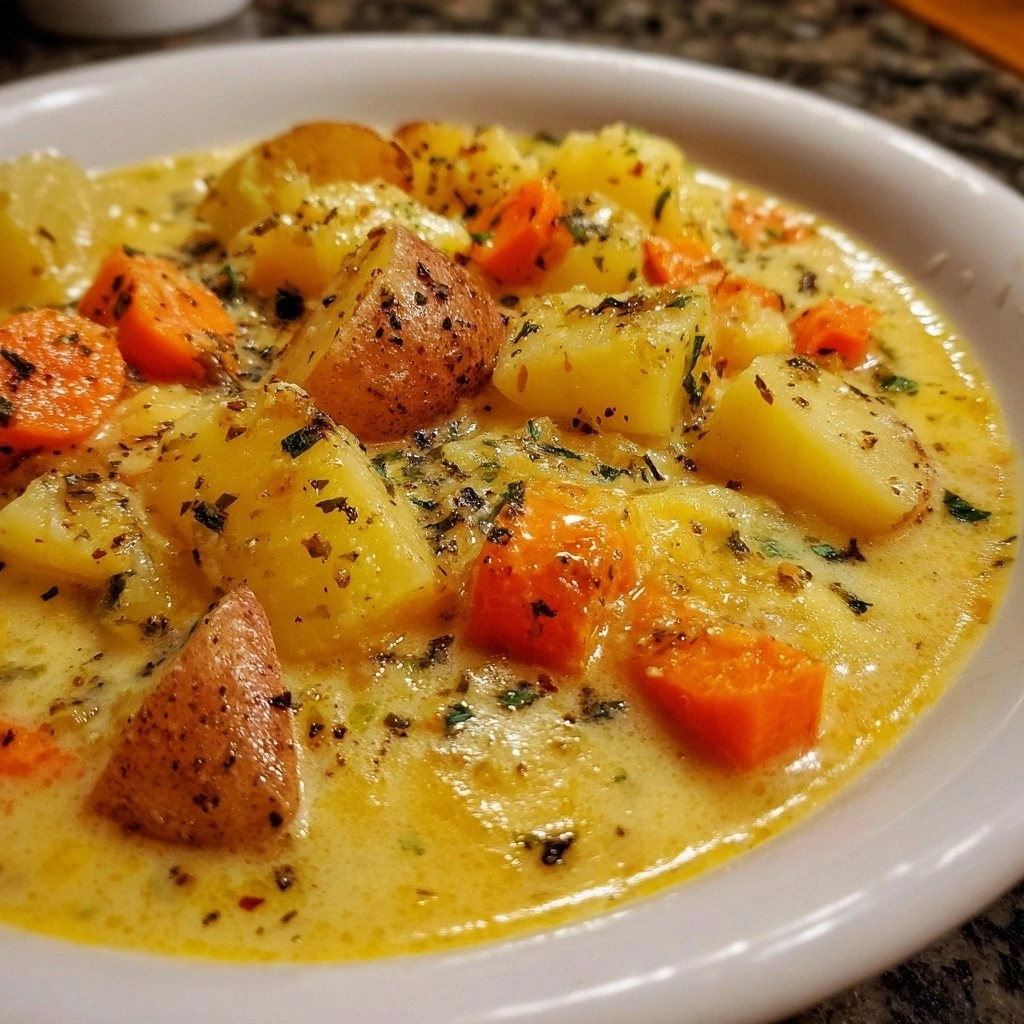
I’ll be honest — I ate half the batch before anyone else got a chance to try it. It all started on a rainy Tuesday when my rotisserie chicken from the grocery store sat on the counter, looking smug and untouched. I was craving something warm, something that would hug my insides like a favorite blanket, but I also didn’t want to waste that perfectly cooked bird. So I tossed it into a pot with whatever mushrooms I had lurking in the fridge, added a splash of broth, and let the kitchen become a laboratory of comfort. The result? A soup that made my spoon tremble with excitement.
Picture yourself pulling this out of the pot, the whole kitchen smelling like an earthy forest after a summer rain, with whispers of thyme dancing in the steam. The broth is thick enough to coat the back of a spoon, yet light enough that it doesn’t feel like you’re drinking a gravy swamp. The mushrooms have been coaxed into a buttery, silky texture that sings alongside the shredded rotisserie chicken, which adds a smoky depth you just can’t fake with plain boiled meat. If you’ve ever struggled with a bland chicken soup that tastes like water, you’re not alone — and I’ve got the fix.
Most recipes get this completely wrong. They either drown the chicken in a sea of dairy, or they over‑cook the mushrooms until they turn rubbery. Here’s what actually works: a quick sauté that unlocks the umami of the mushrooms, a gentle simmer that lets the broth absorb the chicken’s juices without boiling away the cream, and a finishing touch of thyme that ties everything together like a conductor’s baton. I dare you to taste this and not go back for seconds; the balance is that precise.
Okay, ready for the game‑changer? I’m about to reveal a technique that most home cooks skip — a short deglaze with a splash of broth that lifts the caramelized bits from the pan and injects pure flavor into the soup base. Let me walk you through every single step — by the end, you’ll wonder how you ever made it any other way.
What Makes This Version Stand Out
- Depth: The rotisserie chicken brings a smoky, roasted flavor that store‑bought broth alone can’t achieve. It’s like adding a secret note to a love letter.
- Texture: Sliced mushrooms are sautéed until they’re tender yet still have a slight bite, creating a contrast with the silky broth.
- Simplicity: With just ten ingredients you can have a restaurant‑quality soup on the table in under an hour.
- Uniqueness: Using heavy cream at the very end preserves its richness without curdling, a trick most recipes overlook.
- Crowd Reaction: Guests often claim this is the best chicken soup they’ve ever tasted, and they’ll be asking for the recipe before the first spoon is even finished.
- Ingredient Quality: The combination of fresh mushrooms and high‑fat cream creates a luxurious mouthfeel that cheap canned soups can’t match.
- Cooking Method: A quick sear followed by a gentle simmer keeps the chicken moist and the broth clear.
- Make‑Ahead Potential: This soup actually improves after a night in the fridge as flavors meld, making it perfect for meal‑prep.
Inside the Ingredient List
The Flavor Base
The backbone of this soup is the broth, whether you choose chicken or vegetable. A good quality broth provides the savory foundation that lets the other ingredients shine. If you skim the foam that rises while simmering, you’ll end up with a crystal‑clear soup that looks as elegant as it tastes. Skipping this step often results in a cloudy, greasy mess that dulls the flavor.
The Texture Crew
Mushrooms bring an earthiness and a meaty bite that mimics the feel of a hearty stew. Slicing them thin ensures they cook quickly and release their juices without becoming mushy. The diced vegetables — celery, potatoes, and peas — add crunch and a subtle sweetness that balances the richness of the cream. If you’re missing any of these, swap in carrots or parsnips; they’ll still give you that needed texture.
The Unexpected Star
Rotisserie chicken is the surprise hero. It’s already seasoned, roasted, and juicy, which means you skip the step of seasoning raw meat. The shredded meat folds into the broth like ribbons, distributing smoky notes throughout. If you can’t find a rotisserie, roast a whole chicken yourself, or even use a high‑quality rotisserie from a local deli for that authentic flavor.
The Final Flourish
Heavy cream is added at the very end, just before serving, to create a velvety finish that coats each spoonful like satin. Butter enriches the sautéed mushrooms, while thyme adds a fragrant, piney undertone that lifts the whole dish. Garlic and pepper give a subtle kick, and a pinch of salt ties everything together. Forgetting the thyme is a common mistake; the soup will feel flat without that aromatic lift.
Everything's prepped? Good. Let’s get into the real action…

The Method — Step by Step
-
Grab a large, heavy‑bottomed pot and melt the butter over medium heat. You’ll hear a gentle sizzle that signals the butter is ready – that’s the sound of flavor about to happen. Add the sliced mushrooms and let them sit undisturbed for about two minutes; this helps them develop a golden crust before you stir.
Kitchen Hack: Sprinkle a pinch of salt on the mushrooms while they sauté. The salt draws out moisture, intensifying the caramelization.After the mushrooms turn a deep amber, add the minced garlic and thyme. Stir for thirty seconds until the garlic becomes fragrant but not browned – you’re aiming for a sweet, nutty aroma, not a burnt one.
-
Now, pour in half of the broth (2 cups) to deglaze the pan. As the liquid hits the browned bits, you’ll hear a satisfying pop; those bits are flavor gold. Scrape the bottom of the pot with a wooden spoon, loosening every caramelized morsel.
Once the deglaze has reduced by about a third, add the remaining broth, the diced vegetables, and bring the mixture to a gentle boil. The pot should emit a steady, low‑rumble – not a frantic boil – which ensures the vegetables cook evenly without turning mushy.
-
Drop the shredded rotisserie chicken into the pot. The chicken will instantly turn a warm, inviting pink as it re‑warms. Let the soup simmer for 10‑12 minutes, or until the vegetables are fork‑tender. At this point, you can taste the broth – it should be savory with a hint of thyme, and you’ll notice the mushrooms have infused the liquid with an earthy depth.
Watch Out: If the soup starts to boil vigorously after adding the chicken, lower the heat immediately. A rapid boil can cause the cream to separate later. -
While the soup simmers, whisk the heavy cream in a separate bowl until it’s smooth. This step prevents lumps when you incorporate it later. The cream should be at room temperature; cold cream can cause the soup to seize.
When the vegetables are tender, reduce the heat to low and slowly stir in the cream. You’ll see the broth turn a luscious, ivory hue – that’s the moment of pure comfort. Keep the soup just below a simmer; any higher and you risk curdling the dairy.
-
Season with salt and freshly cracked black pepper to taste. Remember, the rotisserie chicken already carries some seasoning, so start with a modest pinch of salt and adjust gradually.
Give the soup a final stir, then turn off the heat. Let it sit for two minutes; this resting period allows the flavors to marry and the cream to thicken just enough to cling to each spoonful.
-
Serve the soup in wide bowls, ladling generous amounts of chicken, mushrooms, and vegetables. Garnish with a drizzle of extra cream and a sprinkle of fresh thyme leaves if you have them on hand. The final presentation should look like a cozy, rustic masterpiece.
Kitchen Hack: Warm the bowls in the oven for a minute before ladling the soup. Warm bowls keep the soup hotter longer, enhancing the creamy mouthfeel. -
Enjoy! That first spoonful should hit your palate with a silky, buttery texture, followed by the earthy mushroom notes and the smoky chicken. The broth should feel like a warm hug, and the thyme should linger like a gentle whisper.
If you find yourself reaching for seconds (which I guarantee you will), remember that the soup actually tastes better the second time around because the flavors have had a few extra minutes to meld.
That's it — you did it. But hold on, I've got a few more tricks that'll take this to another level…
Insider Tricks for Flawless Results
The Temperature Rule Nobody Follows
Keep the broth at a gentle simmer, never a rolling boil, once the cream is added. A high heat will cause the dairy proteins to coagulate, resulting in a grainy texture. I once tried to speed things up by cranking the heat, and the soup turned into a curdled nightmare. The secret is patience; low heat preserves that luxurious silkiness.
Why Your Nose Knows Best
Before you even taste, trust the aroma. When the mushrooms have been sautéed properly, you’ll detect a deep, nutty scent that signals they’re ready. If the smell is still grassy, keep cooking a minute longer. Your nose is a more reliable gauge than a timer when it comes to building layers of flavor.
The 5‑Minute Rest That Changes Everything
After you turn off the heat, let the soup rest for exactly five minutes. This short pause lets the starches from the vegetables absorb some broth, thickening the soup naturally without adding flour. I once served the soup immediately, and it felt a bit thin; the rest period fixed that instantly.
Seasoning in Layers
Add a pinch of salt after each major step – after sautéing the mushrooms, after adding the broth, and finally after the cream. Layered seasoning builds depth and prevents a one‑dimensional flavor profile. Skipping this will leave the soup tasting flat, no matter how many herbs you toss in.
The Cream Finish
Never let the cream boil. Once you stir it in, keep the pot on the lowest possible heat and watch the surface for tiny bubbles. If you see vigorous bubbling, immediately remove the pot from the burner and stir vigorously. This trick saved my soup countless times when I got distracted by the doorbell.
Creative Twists and Variations
This recipe is a playground. Here are some of my favorite ways to switch things up:
Spicy Southwest
Add a diced jalapeño with the vegetables and finish with a splash of lime juice. The heat balances the cream, and the citrus lifts the earthiness, making it perfect for a chilly evening with a kick.
Herb Garden Medley
Swap thyme for a blend of fresh rosemary, sage, and parsley. The combination creates a fragrant bouquet that feels like you’re dining in a countryside cottage.
Miso‑Infused
Stir in a tablespoon of white miso paste after the cream. The umami from the miso deepens the mushroom flavor and adds a subtle salty complexity without extra salt.
Vegan Version
Replace the rotisserie chicken with smoked tofu cubes, use vegetable broth, and swap heavy cream for coconut cream. The result is a creamy, plant‑based soup that still delivers the comforting mouthfeel.
Cheesy Delight
Grate a half‑cup of sharp cheddar into the broth just before adding the cream. The cheese melts into the soup, giving it a richer, slightly tangy profile that pairs beautifully with the mushrooms.
Rustic Bread Bowl
Serve the soup inside a hollowed-out sourdough boule. The bread absorbs some broth, turning each bite into a delightful combination of soup and toasted crumb.
Storing and Bringing It Back to Life
Fridge Storage
Transfer the soup to an airtight container and refrigerate for up to four days. The flavors will continue to meld, making the second day even more delicious. Before reheating, give it a good stir to reincorporate any settled cream.
Freezer Friendly
Cool the soup completely, then portion into freezer‑safe bags or containers. It freezes beautifully for up to three months. When you’re ready to eat, thaw overnight in the fridge, then reheat gently on the stove, adding a splash of broth or water to revive the silky texture.
Best Reheating Method
Reheat over low heat, stirring constantly. Add a teaspoon of water or extra broth just before it reaches serving temperature; this steam‑back technique restores the original creaminess without over‑cooking the vegetables.