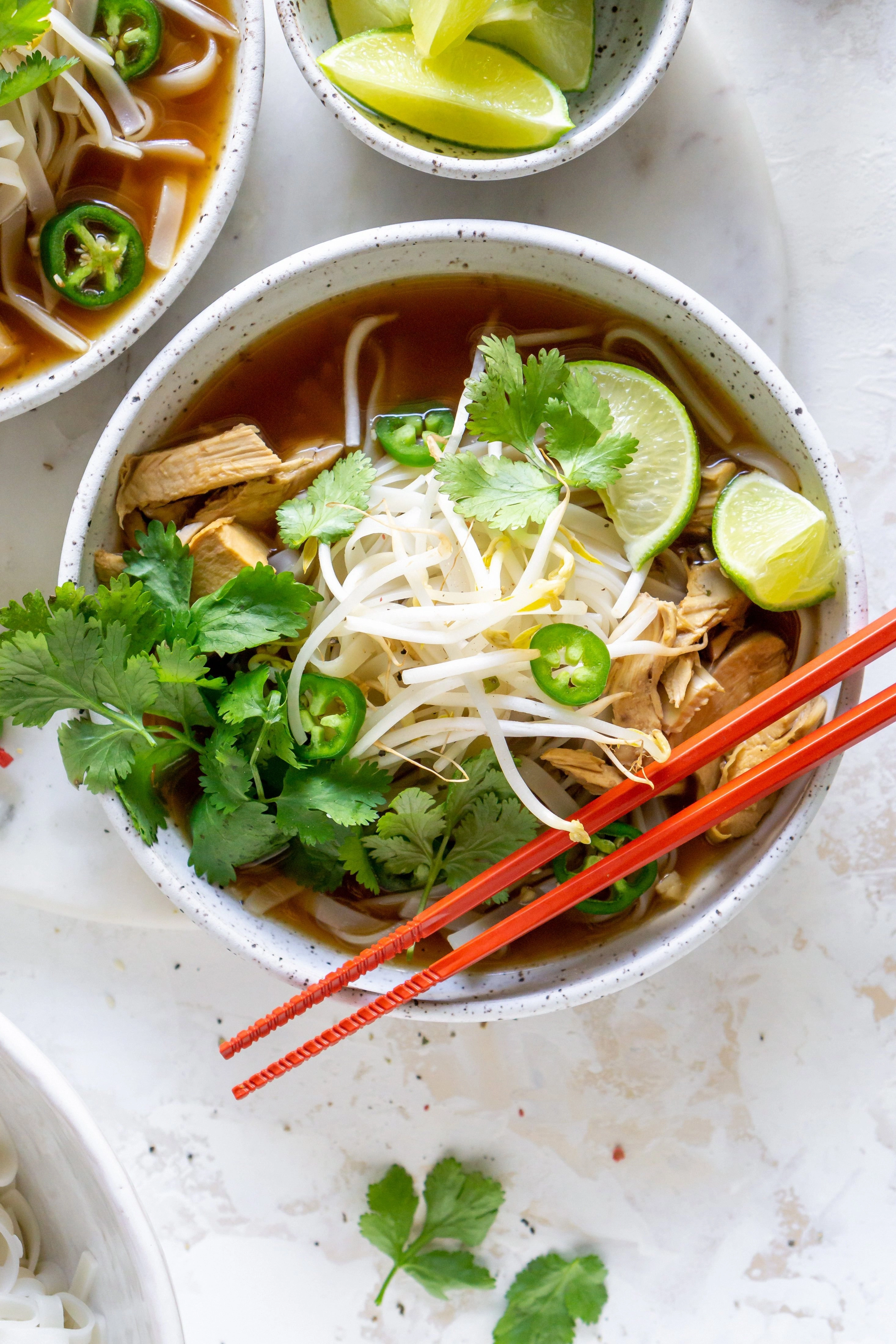
Picture this: I’m in a cramped kitchen, a half‑empty fridge, and a craving that feels like a full‑scale rebellion against the blandness of the week. I had a pot of water boiling, a packet of noodles that had been sitting on my counter for days, and a handful of veggies that had never seen the light of day. The result? A chaotic, soggy bowl of noodles that tasted like a sad disappointment. That night, I swore I’d never settle for “just another stir‑fry” again. I vowed to craft a dish that would make my taste buds sing, my friends gasp, and my pantry feel like a treasure chest.
Fast forward to a sunny Saturday, I’m whisking together a sauce that glistens like a freshly poured espresso. The aroma of garlic and sesame oil fills the room, a promise of something bold. The noodles, once limp, now bounce back with a satisfying chew. The chicken, seared to a golden crust, releases a savory perfume that makes the kitchen feel like a bustling street market in Shanghai. Each bite feels like a passport stamp—rich, authentic, and unapologetically indulgent.
What makes this version stand out? It’s not just the combination of flavors; it’s the meticulous layering of textures and the careful balance of sauces that create a harmony of umami, sweetness, and a hint of heat. I dare you to taste this and not go back for seconds. The sauce coats the noodles like velvet, the veggies retain their crunch, and the chicken offers a juicy, tender bite that melts in your mouth. Most recipes get this completely wrong by overcooking the vegetables or underseasoning the sauce. Here, every element sings in perfect unison.
I’ll be honest—before I perfected this dish, I’d eaten half the batch before anyone else got a taste. But that’s the thrill of mastering a recipe that’s as simple to make as it is impossible to forget. If you’ve ever struggled with a dish that turns into a soggy disaster, you’re not alone. This is the fix that turns a kitchen mishap into a culinary triumph.
Picture yourself pulling this out of the pan, the whole kitchen smelling incredible, and a crowd of friends hovering, eyes wide, waiting for that first forkful. The moment you taste it, they’ll be shouting, “I need the recipe!”—and you’ll be the hero who saved the day. Let me walk you through every single step—by the end, you’ll wonder how you ever made it any other way.
What Makes This Version Stand Out
- Taste: A balanced medley of sweet, salty, and savory notes that dance on the palate. The oyster sauce gives depth, while the sesame oil adds a nutty aroma that lingers.
- Texture: Noodles that hold their bite, vegetables that snap, and chicken that remains juicy. The sauce coats everything without making it soggy.
- Speed: Under 30 minutes from start to finish. Ideal for busy weeknights when you crave restaurant quality without the wait.
- Versatility: Works with chicken breast or thigh, and can be swapped for shrimp, pork, or tofu for a quick protein change.
- Ingredient Quality: Uses fresh, seasonal vegetables that bring color and crunch, paired with high‑grade soy sauces for depth.
- Make‑Ahead Potential: The dish holds up well when reheated—just a splash of water and a quick stir.
Alright, let's break down exactly what goes into this masterpiece…
Inside the Ingredient List
The Flavor Base
The sauce is the heart of this dish, and it’s built on a foundation of light soy sauce, dark soy sauce, oyster sauce, sesame oil, and a pinch of white pepper. Each liquid contributes a layer of complexity: the light soy provides saltiness, the dark soy adds depth, and the oyster sauce brings umami. Sesame oil isn’t just a flavor enhancer; it also prevents the noodles from clumping. White pepper offers a subtle heat that’s far milder than black pepper, letting the other flavors shine.
If you skip the oyster sauce, the dish loses that savory richness, and the sauce becomes thin and less glossy. If you omit sesame oil, the noodles can become sticky. A good tip: use a high‑quality soy sauce that’s not overly salty; you can always adjust with a splash of water if needed.
The Texture Crew
Noodles, chicken, and vegetables form the textural backbone. Dried egg noodles are preferred for their firm bite and ability to absorb sauce. The chicken is sliced into thin strips to ensure quick cooking and maximum flavor absorption. Vegetables are cut into uniform pieces so they cook evenly—carrots for sweetness, bell pepper for crunch, cabbage for volume, and spring onions for a fresh finish.
Skipping the cornstarch coating on the chicken would result in a dry bite. The cornstarch not only creates a light crisp but also helps thicken the sauce just enough to cling to the noodles. If you’re gluten‑free, you can use a cornstarch alternative like arrowroot powder.
The Unexpected Star
White pepper is the unsung hero. It delivers a gentle heat that doesn’t overpower the dish, keeping the flavor profile balanced. It’s easy to overlook but essential for that subtle kick. If you can’t find white pepper, a tiny pinch of cayenne can substitute, but be careful not to overdo it.
Another hidden gem is the baking soda. It’s used in the noodle soaking step to slightly raise the pH, which helps keep the noodles firm and prevents them from becoming mushy during the stir‑fry.
The Final Flourish
The finishing touch is the fresh spring onions and a drizzle of sesame oil at the end. They add brightness and a touch of crunch that lifts the dish. The sugar, though minimal, balances the salty sauces and brings a gentle caramelization to the vegetables.
Everything's prepped? Good. Let's get into the real action…
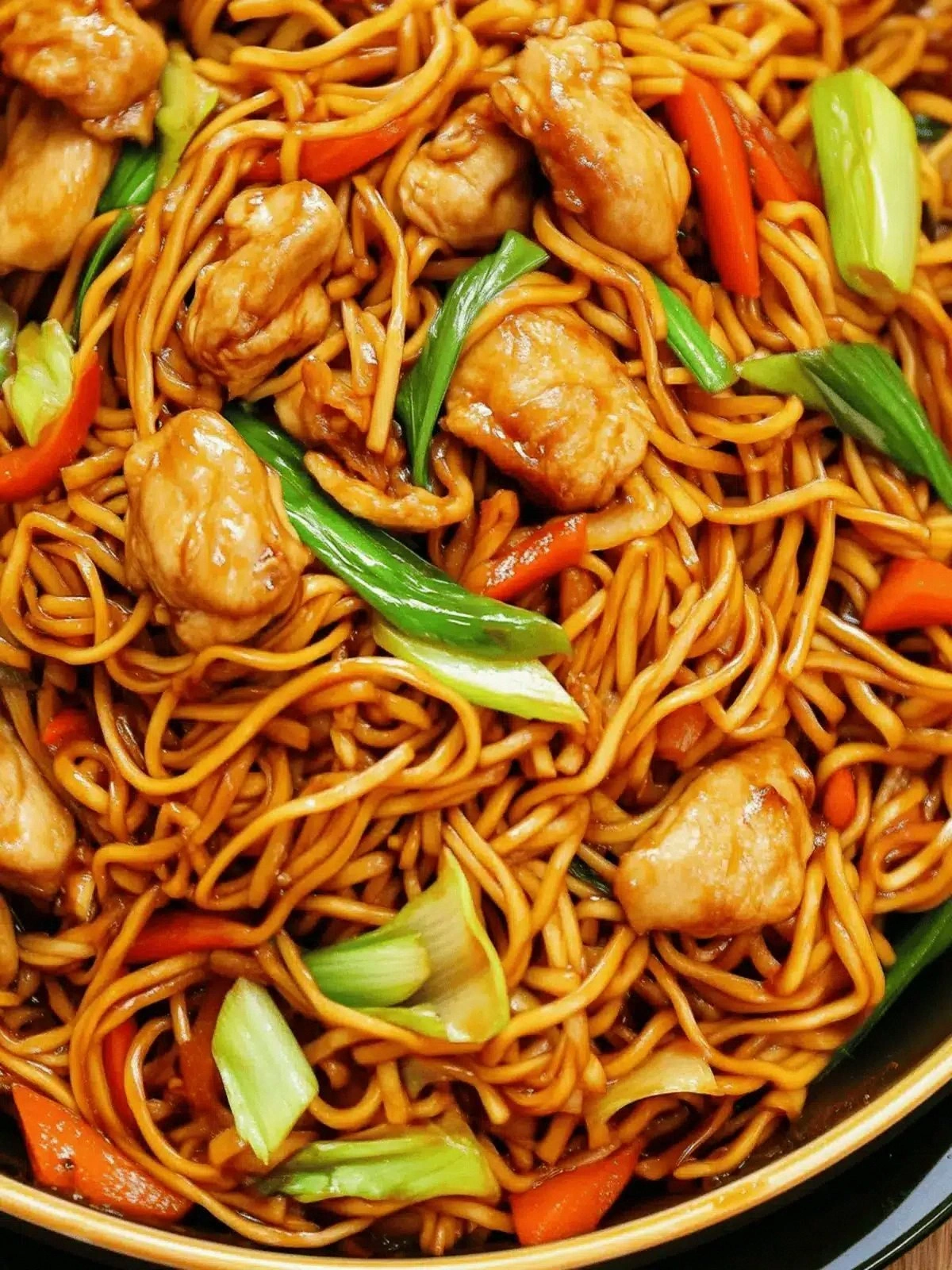
The Method — Step by Step
- Begin by soaking the dried egg noodles in a pot of boiling water with a splash of sesame oil and a pinch of baking soda for 2 minutes. Drain and set aside; they’ll finish cooking in the pan.
- While the noodles are resting, slice the chicken into thin strips. Toss them in a bowl with 1 tablespoon cornstarch, a dash of salt, and a pinch of white pepper. This coating will give the chicken a crisp edge.
- Heat a wok or large skillet over high heat. Add 1 tablespoon sesame oil, then the chicken. Sear until the edges turn golden and the chicken is nearly cooked through—about 3 minutes. Remove and set aside.
- In the same pan, add 1 tablespoon oil if needed and toss in the minced garlic and sliced onion. Sauté until the onion becomes translucent and the garlic releases its aroma—roughly 1 minute.
- Add the sliced bell pepper, carrot, and cabbage. Stir‑fry for 2–3 minutes, watching for that first hint of crispness. The vegetables should still retain a bite.
- Return the chicken to the pan, then pour in 2 tablespoons light soy sauce, 1 tablespoon dark soy sauce, 1 tablespoon oyster sauce, 1 teaspoon sugar, and 1/4 teaspoon white pepper. Toss everything together, letting the sauce coat the ingredients. Let it simmer for 2 minutes so the flavors meld.
- Add the pre‑cooked noodles and a splash of water to prevent sticking. Toss vigorously to combine, ensuring the noodles soak up the glossy sauce. Cook for an additional 2 minutes, letting the noodles steam and absorb the sauce.
- Finish with a drizzle of sesame oil, a sprinkle of chopped spring onions, and a final toss. Plate immediately for the best texture.
That’s it — you did it. But hold on, I've got a few more tricks that'll take this to another level. Let’s dive into the insider tips that will elevate your next batch.
Insider Tricks for Flawless Results
The Temperature Rule Nobody Follows
Stir‑frying thrives on high heat. If your wok isn’t scorching hot, the veggies will steam instead of sear, losing that coveted crunch. Pre‑heat the wok for at least 3 minutes, then add a splash of oil and wait until it shimmers before adding the chicken.
Why Your Nose Knows Best
The aroma of garlic sizzling is a cue that the pan is ready. If the smell is weak, the oil is too cold. A strong, caramelized scent indicates the right temperature, and it guarantees a deeper flavor profile.
The 5‑Minute Rest That Changes Everything
After you finish cooking, let the dish rest for 5 minutes before plating. This allows the sauce to settle and the noodles to absorb more flavor, giving the dish a silky finish.
Use a Splash of Water to Keep Noodles Al Dente
When you toss the noodles back into the pan, add just enough water to keep them from sticking. Too much liquid will dilute the sauce; too little will dry them out.
The Perfect Sesame Oil Finish
A drizzle of sesame oil at the end adds a fragrant finish that elevates the dish. It also helps the sauce cling to the noodles, giving that glossy, restaurant‑quality sheen.
Remember, practice makes perfect. The first time you make this dish, you’ll learn the rhythm of the wok and the timing of each ingredient. Each subsequent batch will feel more natural, and you’ll be able to tweak the sauce to your exact taste.
Creative Twists and Variations
This recipe is a playground. Here are some of my favorite ways to switch things up:
Spicy Szechuan Kick
Add a tablespoon of Szechuan peppercorns and a splash of chili oil. The peppercorns give a numbing heat that pairs beautifully with the sweet sauce.
Creamy Coconut Twist
Replace half the light soy sauce with coconut milk for a silky, tropical flavor. The richness balances the umami and adds a subtle sweetness.
Pork Belly Delight
Swap the chicken for thinly sliced pork belly. The fat renders into the sauce, creating a richer, more decadent dish.
Vegan Version
Use tofu or tempeh instead of chicken, and make sure to use a vegan oyster sauce. The texture will differ, but the flavor profile remains intact.
Summer BBQ Fusion
Add a tablespoon of barbecue sauce to the mix for a smoky, sweet finish that feels like a backyard grill.
Cheese‑Infused Surprise
Sprinkle grated Parmesan or a drizzle of cream cheese at the end for a creamy, cheesy layer that contrasts the crisp veggies.
Feel free to experiment. The beauty of this dish is that it adapts to whatever you have on hand. Each variation offers a new flavor adventure while keeping the core structure intact.
Storing and Bringing It Back to Life
Fridge Storage
Store the stir‑fry in an airtight container for up to 2 days. Keep the sauce and noodles separate if possible; the noodles can become soggy if stored together for too long.
Freezer Friendly
The dish freezes well for up to 1 month. Portion into individual servings, seal in freezer bags, and label with the date. Thaw overnight in the fridge before reheating.
Best Reheating Method
Reheat in a skillet over medium heat, adding a splash of water or broth to re‑moisturize. Stir constantly until hot and the sauce thickens again. A quick blast in the microwave works, but the skillet preserves texture.
Add a tiny splash of water before reheating — it steams back to perfection, keeping the noodles from drying out.