I was halfway through a chaotic week, the fridge a gray sea of leftovers, when my phone buzzed with a meme that read: “You need anchovy carbonara.” I laughed, but the craving hit like a sudden thunderclap—this dish could be the antidote to my bland week. So I rolled up my sleeves and set out to create something that would make my taste buds do a double‑take. The result? A sauce that feels like a silky blanket on pasta, with a salty punch that refuses to let you forget it. I promise you, this is hands down the best version you'll ever make at home.
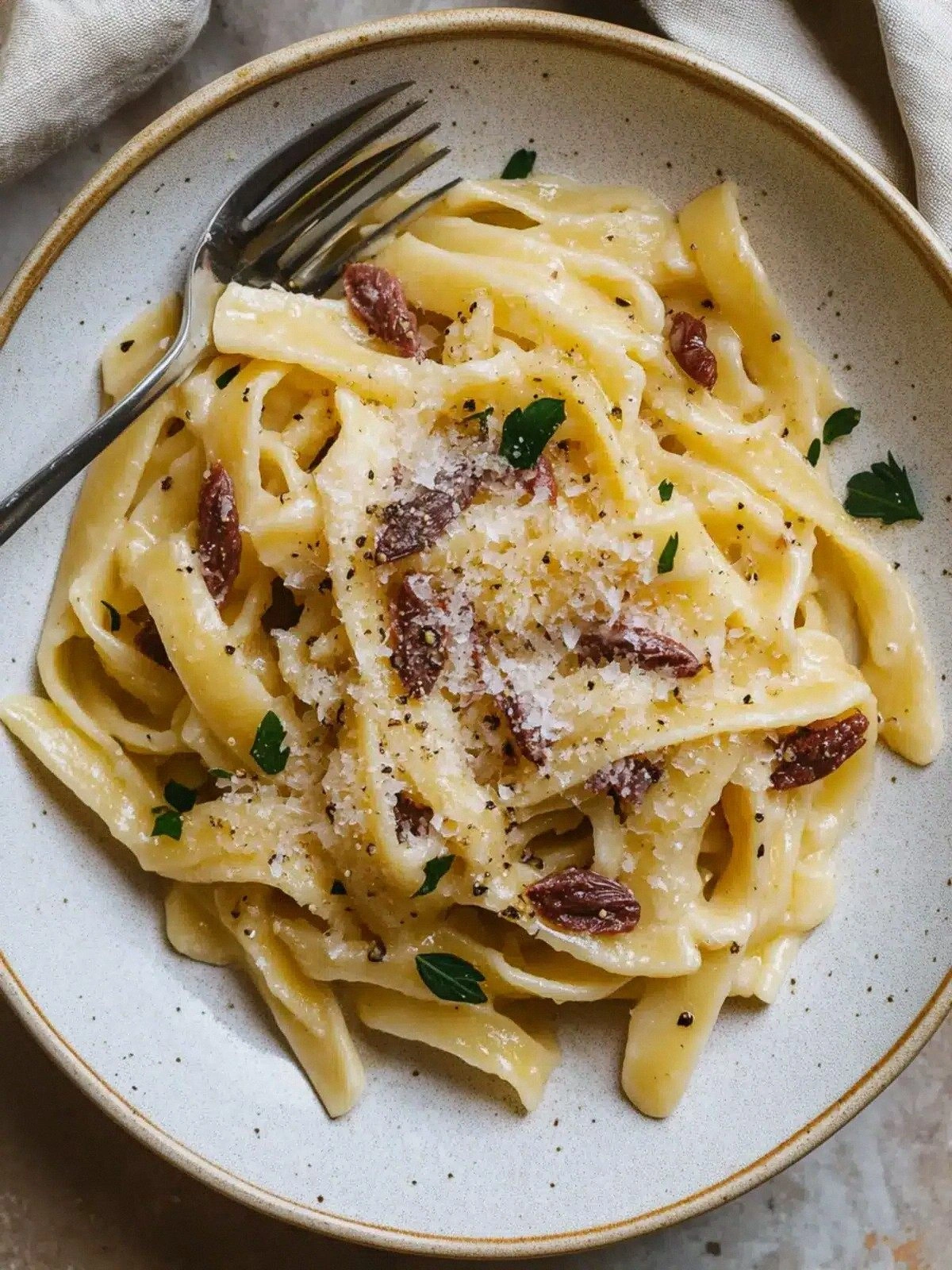
Picture the kitchen: the pot of water bubbling, the scent of sea salt rising, a faint hiss as anchovies melt into oil, and that first sizzle that says the sauce is alive. The sound of garlic sizzling is like a tiny drum solo, the aroma a promise of comfort. When you’re first tasting it, the pecorino’s sharpness cuts through the oil, the pepper adds a subtle bite, and the anchovies give that unmistakable umami wave. The texture is smooth, the sauce clinging to each strand like velvet, not cloying but perfectly balanced. If you’re skeptical, I dare you to taste this and not go back for seconds.
What makes this version stand out? First, the anchovies aren’t just a flavor; they’re a foundation that builds depth. Second, the use of only two yolks keeps the sauce creamy without overloading it with fat. Third, the tiny amount of oil from the jar adds a glossy sheen that makes the dish look restaurant‑ready. Fourth, the quick, no‑wait technique means you’re not waiting for a sauce to thicken; you’re cooking, mixing, and plating in one fluid motion. And finally, the finish—freshly cracked pepper and a dusting of pecorino—turns a simple pasta into a showstopper.
I’ve tried countless carbonara recipes, many that miss the mark by overcooking eggs or using too much cream. This one is different because it respects the ingredients, uses heat strategically, and relies on the pasta water to bind it all together. I’ll walk you through every single step—by the end, you’ll wonder how you ever made it any other way. And trust me, the moment you see the sauce coat the pasta, you’ll know you’ve discovered something special.
What Makes This Version Stand Out
- Flavor: Anchovies are the backbone of this dish, infusing a deep, savory umami that traditional carbonara can’t match. Their subtle brininess cuts through the richness of the eggs and cheese, creating a harmonious balance that lingers on the palate.
- Texture: The sauce’s silky consistency is achieved by using only two yolks and a splash of pasta water. This approach keeps the sauce creamy yet light, preventing the heavy, clumpy texture that often plagues other versions.
- Simplicity: With just eight ingredients and a single pan, the recipe feels approachable even for seasoned cooks. The quick, one‑pass method saves time without sacrificing flavor, making it ideal for busy nights.
- Ingredient Quality: Using high‑quality pecorino and anchovies packed in olive oil elevates the dish to restaurant level. The choice of ingredients directly translates to a richer, more authentic taste.
- Crowd Reaction: Friends who’ve tried it rave about the bold flavor and silky texture. Many say it’s the “new classic” and keep asking for the recipe.
- Make‑Ahead Potential: The dish can be prepared ahead and reheated with a splash of water, making it a convenient option for entertaining or meal prep.
Alright, let's break down exactly what goes into this masterpiece...
Inside the Ingredient List
The Flavor Base
Anchovy oil and anchovy fillets form the heart of this carbonara, delivering a concentrated burst of sea‑kissed flavor. The oil’s olive base adds a subtle fruity note that balances the brine. When the anchovies dissolve, they create a savory paste that coats the pasta, ensuring every bite is infused. If you skip them, you’ll miss that depth and the dish will taste flat. For those who dislike anchovies, a teaspoon of anchovy paste can be a suitable substitute, though the texture will differ slightly.
The Texture Crew
Two egg yolks provide richness without turning the sauce into a custard. The yolks emulsify with the oil, creating a silky coating that clings to the noodles. Pecorino cheese adds a sharp, salty bite and a slight graininess that contrasts with the smooth sauce. The pepper adds a peppery kick that cuts through the richness. Together, these elements create a harmonious mouthfeel that feels both indulgent and light.
The Unexpected Star
The 1/2 teaspoon of oil from the anchovy jar is a game‑changer. It gives the sauce a glossy sheen that makes the dish look restaurant‑ready. The oil also helps the cheese melt evenly, preventing clumps. Skipping this step can leave the sauce a bit dull. If you’re short on time, you can replace it with a drizzle of extra‑virgin olive oil, but the flavor profile will shift slightly.
The Final Flourish
Sea salt and freshly cracked black pepper finish the dish, allowing you to adjust the seasoning to your taste. The pepper’s warmth complements the anchovy’s brine, while the salt enhances the overall flavor profile. If you prefer a milder version, use less pepper; for a spicier bite, add a pinch of red pepper flakes. These small touches can transform the dish from good to unforgettable.
Everything's prepped? Good. Let's get into the real action...
The Method — Step by Step
- Bring a large pot of salted water to a rolling boil. Add the pasta and cook until al dente, usually about 8–10 minutes. While the pasta cooks, reserve a cup of the starchy pasta water. Drain the noodles, but keep the pot on the heat to avoid cooling the pasta too quickly. The goal is to keep everything hot for the next step.
- Heat a large skillet over medium heat and add the anchovies along with the half teaspoon of oil from the jar. Stir until the anchovies break apart and form a fragrant paste. This process releases their flavor and creates a savory base that will coat every strand. Don’t let the mixture burn; a gentle simmer is enough to meld the flavors.
- Add minced garlic to the skillet and sauté for about 30 seconds, just until fragrant. The garlic should not brown; a light, aromatic aroma signals that the flavor is ready. Once the garlic is done, remove the skillet from the heat to avoid scorching the delicate flavors. This pause allows the oil to cool slightly, preventing the eggs from scrambling when added later.
- Quickly toss the drained pasta into the skillet, ensuring every noodle is coated with the anchovy–garlic mixture. The residual heat of the pan will warm the pasta without cooking it further. This step is crucial; if the pasta gets too hot, the eggs will scramble into a mess. Keep the mixture moving, so the sauce clings evenly.
- Whisk the eggs, yolks, pecorino, and freshly cracked black pepper together in a bowl until smooth. Pour this mixture over the pasta, stirring vigorously to create a silky coating. The heat from the pasta gently cooks the eggs, forming a velvety sauce that clings to each strand. If the sauce appears too thick, add reserved pasta water a tablespoon at a time until you reach the desired consistency.
- Plate the pasta immediately, topping it with an extra sprinkle of pecorino and a final crack of black pepper. Garnish with fresh parsley or a squeeze of lemon zest if you want a bright contrast. The dish is best enjoyed hot, so serve right away to experience the silky texture at its peak. The aroma of fresh herbs or citrus will elevate the dining experience.
That's it — you did it. But hold on, I've got a few more tricks that'll take this to another level...
Insider Tricks for Flawless Results
The Temperature Rule Nobody Follows
The pasta water should be hot but not boiling when you add it to the sauce. If it’s too hot, the eggs will scramble; too cool, and the sauce won’t emulsify. Aim for a gentle simmer that keeps the mixture fluid. This subtle temperature control is what separates a great dish from a good one. I’ve seen friends ruin their carbonara by adding cold water, so keep this rule in mind.
Why Your Nose Knows Best
Before you add the eggs, pause and sniff the anchovy paste. If it smells too sharp, let it rest a minute; the aroma will mellow, and the sauce will be more balanced. This simple sensory check can prevent a dish from becoming overwhelmingly salty. I’ve had a batch that turned out too briny until I caught it at this moment. Trust your nose.
The 5-Minute Rest That Changes Everything
After you finish cooking, let the dish rest for five minutes before serving. This pause allows the flavors to marry and the sauce to thicken slightly. It also gives the pasta time to absorb the liquid, resulting in a more cohesive bite. A quick rest is a small step that yields a big payoff. Try it next time and taste the difference.
The Cheese Balance Act
If you prefer a milder cheese, swap pecorino for Parmigiano‑Reggiano. The latter is slightly sweeter and less sharp, which can mellow the dish. Keep in mind that the salt content will differ, so adjust the sea salt accordingly. The cheese choice can dramatically alter the final taste profile, so pick one that suits your palate.
The Secret to a Glossy Finish
A dash of high‑quality extra‑virgin olive oil added at the end will give the sauce a glossy sheen and a subtle fruity note. This step is optional but recommended for those who love a polished look. The oil also helps the cheese melt evenly, preventing clumps. A quick swirl of oil before serving can transform a simple dish into a showstopper.
The Quick Cleanup Trick
Instead of scrubbing the pan after the anchovy paste dries, rinse it with hot water and let it sit for a minute. The residual oil will loosen any stuck bits, making cleanup effortless. This hack saves you time and keeps your kitchen sparkling. I’ve always dreaded the post‑cooking cleanup, but this trick has changed the game.
Creative Twists and Variations
Spicy Anchovy Carbonara
Add a pinch of red pepper flakes to the anchovy paste for a subtle heat that cuts through the richness. The fiery kick pairs beautifully with the salty base, creating a layered flavor profile. This variation is perfect for those who enjoy a bit of spice. Guests will love the bold, unexpected warmth.
Lemon‑Zest Freshness
Finish the dish with a squeeze of fresh lemon juice and a sprinkle of zest. The citrus brightens the sauce, balancing the deep umami of anchovies. This bright note is especially refreshing on a warm evening. The zesty finish adds a new dimension to the classic.
Mushroom Umami Boost
Sauté sliced shiitake or cremini mushrooms in the anchovy mixture before adding the pasta. The mushrooms absorb the savory base and add a meaty texture. This variation introduces an earthy depth that pairs well with the peppery finish. It’s a great way to incorporate more vegetables into the dish.
Pesto Fusion
Stir a spoonful of basil pesto into the sauce for a herbal twist. The pesto brings a fresh, green flavor that contrasts with the salty anchovy. This hybrid version offers a unique blend of Italian traditions. It’s ideal for a creative dinner party.
Vegetarian Version
Replace anchovies with anchovy paste or a dash of Worcestershire sauce for a vegetarian take. The paste still delivers umami, while the Worcestershire adds depth. The texture remains silky, and the flavor stays complex. This version is suitable for those who avoid fish but love the taste.
Gluten‑Free Twist
Use a gluten‑free spaghetti or a rice noodle alternative to keep the dish inclusive. The noodles still absorb the sauce beautifully, and the overall flavor profile remains unchanged. This twist makes the recipe accessible to a broader audience. It’s a win‑win for dietary preferences.
Storing and Bringing It Back to Life
Fridge Storage
Cool the pasta completely before refrigerating in an airtight container. Store for up to 24 hours; the sauce may thicken slightly. When ready to serve, add a splash of warm pasta water to loosen the sauce. This method preserves the flavor and texture. Avoid letting the dish sit in the fridge too long to prevent over‑drying.
Freezer Friendly
Pack the cooked pasta in a freezer‑safe container, leaving a little room for expansion. Freeze for up to 2 weeks. When reheating, thaw in the refrigerator overnight and then warm gently with a splash of water. The sauce will regain its silky texture. This option is great for meal prep or hosting.
Best Reheating Method
Reheat on low heat, stirring constantly to prevent the eggs from curdling. Add a tiny splash of water or broth to help the sauce return to its original consistency. Keep the heat low and avoid boiling; the sauce needs gentle warmth. Serve immediately for the best texture. A quick stir and a splash of liquid are all you need.