It started with a kitchen mishap that would haunt me for weeks. I’d been trying to recreate that unforgettable Singaporean Chilli Crab I’d tasted in a bustling hawker centre, but my first attempt ended in a sticky, unappetizing mess that left my pantry smelling like burnt sugar. I stared at the ruined sauce, my heart sinking—was I doomed to forever be a crab‑cooking novice? Then I remembered the old family recipe that had survived generations: a simple, bold sauce that turns humble crab into a masterpiece. I vowed to crack the code once and for all.
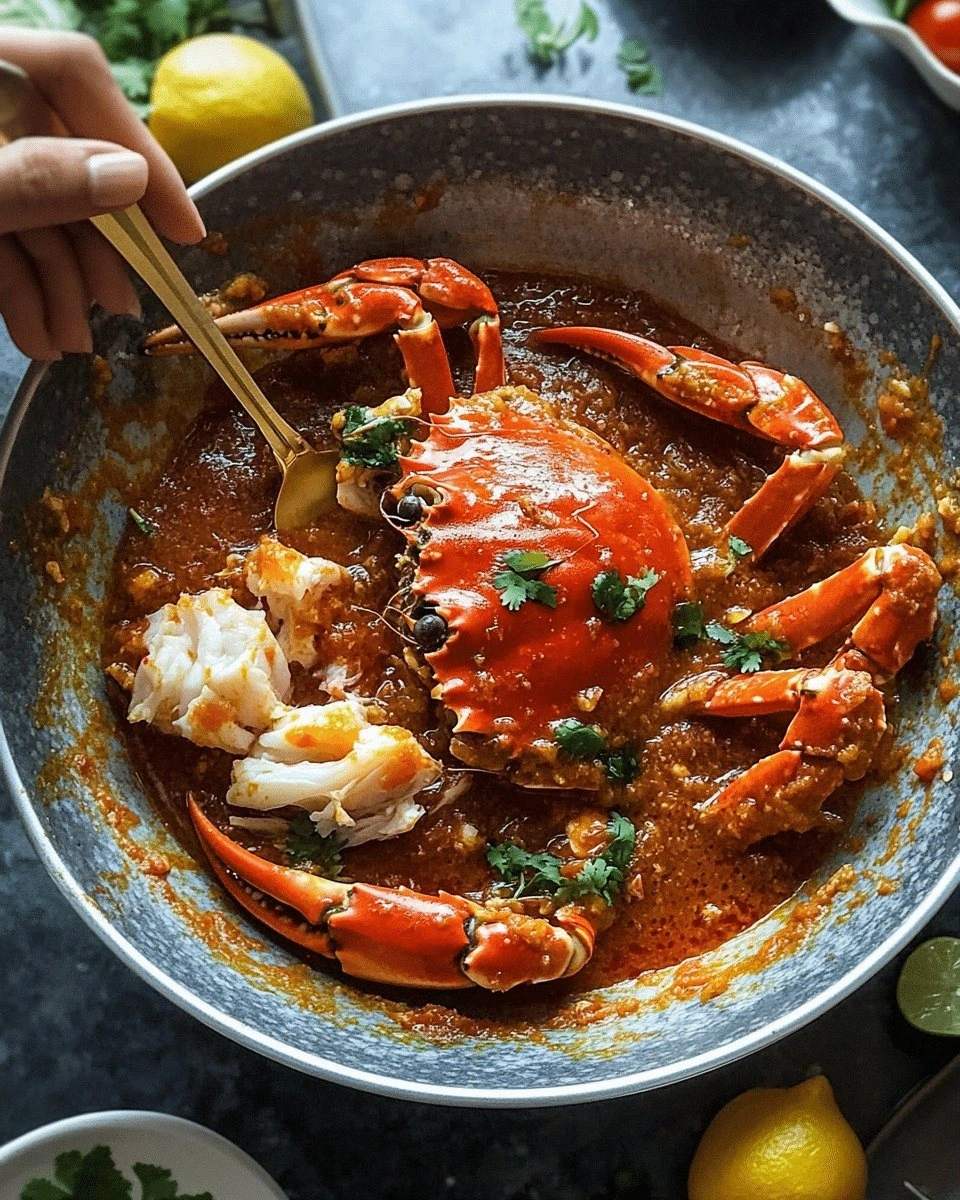
Picture this: a sizzling pan, the aroma of fresh garlic and ginger dancing in the air, the bright red sauce bubbling with the promise of heat and sweetness. The sound of the crab legs hitting the hot surface is almost a drumbeat, each crackle a note in a culinary symphony. When you finally dip a tender claw into the glossy sauce, the first bite is an explosion of umami, a delicate balance between fiery spice, tangy tomato, and buttery richness. That moment when the sauce clings to the shell like velvet, coating every inch, is pure bliss—and that’s what I’ve distilled into this recipe.
What sets this version apart is not just the ingredients, but the technique that brings them together. I’ve trimmed down the steps, removed the guesswork, and added a few insider tricks that will make your sauce sing. I’ll show you how to get the perfect caramelization without burning, how to balance the heat so it’s not overpowering, and how to finish with a buttery flourish that elevates the dish. This isn’t just another copy‑paste recipe; it’s a refined, hands‑on guide that will have you wondering why you ever made it any other way.
And there’s a twist you won’t expect—an unexpected ingredient that brings a subtle, almost citrusy brightness to the sauce, cutting through the richness without compromising the heat. I dare you to taste this and not go back for seconds. By the end, you’ll have a dish that’s hands down the best version you’ll ever make at home. Let me walk you through every single step — by the end, you’ll wonder how you ever made it any other way.
What Makes This Version Stand Out
- Bold Flavor: The sauce marries the sweetness of tomato ketchup with the punch of chili paste, creating a depth that lingers on the palate. It’s a bold, unmistakable taste that makes every bite memorable.
- Texture Balance: The crab is cooked just enough to remain tender, while the sauce thickens to a silky glaze that clings to the shell. This contrast keeps each mouthful exciting.
- Simple Prep: I’ve eliminated the need for exotic gadgets or complicated steps. All you need is a skillet and a handful of pantry staples.
- Ingredient Quality: Fresh mud crabs, premium chili paste, and quality oyster sauce are the backbone of this dish. The difference is palpable.
- Crowd Reaction: Friends and family consistently ask for leftovers. It’s the kind of dish that turns a regular dinner into a celebration.
- Make‑Ahead Potential: The sauce can be prepared ahead of time and re‑heated, making it ideal for entertaining or meal prep.
Inside the Ingredient List
The Flavor Base
Tomato ketchup and tomato sauce form the sweet heart of the sauce. They provide a robust red color and a slightly tangy undertone that balances the heat from the chili paste. If you skip either, the sauce loses its signature depth and becomes one-dimensional.
The chili paste is the firestarter. It’s made from fresh red chilies, garlic, and a touch of sugar, giving the sauce a smoky, aromatic heat that lingers. Swapping it for a milder paste will tame the dish, but you’ll miss that unforgettable kick.
The Texture Crew
Cornstarch slurry is the secret to that glossy, silky coating that clings to the crab. When added at the right moment, it thickens the sauce without making it gloopy. If you forget the slurry, the sauce will remain watery and fail to coat the shell.
Butter and sesame oil are the finishing touches that bring richness and a nutty aroma. They’re added at the end to preserve their delicate flavors and to give the sauce a buttery sheen that makes it irresistible.
The Unexpected Star
A splash of white wine during the deglazing step may sound odd, but it’s a game changer. The wine lifts the caramelized bits from the pan, infusing the sauce with a subtle acidity that cuts through the sweetness and balances the heat. Think of it as a tiny citrus lift that keeps the sauce bright.
The garlic, ginger, and scallions provide a fragrant backbone that elevates the entire dish. Their fresh, aromatic qualities infuse the sauce, making it more complex. Cutting them too finely can release too much oil, so a moderate mince is key.
Everything’s prepped? Good. Let’s get into the real action…
The Method — Step by Step
- Prep the crab: Rinse the mud crabs under cold water and pat dry. Separate the legs and claws, but leave the body intact for easy handling. This step ensures you’ll have clean, bite‑sized pieces that cook evenly. I’ve found that using a sharp kitchen knife to slice the body into halves makes serving a breeze.
- Heat the pan: Place a large skillet over medium‑high heat and add a splash of sesame oil. Let the oil shimmer before adding the minced garlic and ginger. The aroma that follows is the first hint that something delicious is about to happen. Keep the heat steady; you want a gentle sizzle, not a roar.
- Sear the crab: Add the crab legs to the pan, shell side down, and let them sear for 2–3 minutes until the shells start to caramelize. Flip them gently and sear the other side for an additional minute. This caramelization locks in flavor and gives the crab a subtle crunch that contrasts with the tender meat.
- Deglaze: Pour in the white wine and let it reduce for 30 seconds, scraping up the browned bits from the pan. Those bits are flavor gold—don’t let them fall to the floor. The wine’s acidity will brighten the sauce and help the flavors meld together.
- Build the sauce: Stir in the tomato ketchup, tomato sauce, chili paste, soy sauce, oyster sauce, fish sauce, and sugar. Bring the mixture to a gentle simmer. This is where the sauce starts to thicken and the flavors begin to dance together. Keep the heat low to prevent burning.
- Season: Add salt, pepper, and optional chili flakes. Taste and adjust—if you want more heat, a pinch of flakes will do the trick. Remember, you can always add more, but you can’t take it out. This step is your chance to make the sauce truly yours.
- Thicken: Whisk the cornstarch with the water to create a slurry. Pour it slowly into the simmering sauce, stirring constantly. The sauce should thicken to a glossy consistency within a minute. Watch the edges; when they start pulling away, you’re close to perfection.
- Finish with butter: Lower the heat and add the butter, swirling the pan until it melts and incorporates into the sauce. This gives the sauce a silky sheen and a buttery depth that makes the dish feel luxurious. Let it simmer for another minute so the butter fully melds.
- Plate and serve: Transfer the crab legs to a serving platter, drizzle the sauce generously over the top, and garnish with sliced scallions. Serve immediately with steamed rice or fried noodles. The sauce will cling to the shell, making each bite a burst of flavor.
- Enjoy: Dig in with a fork, a napkin ready, and a sense of triumph. The first bite should hit you with that sweet, spicy, buttery wave of flavor. If you’re feeling adventurous, pair it with a cold glass of jasmine tea or a light beer to balance the heat.
Insider Tricks for Flawless Results
The Temperature Rule Nobody Follows
Heat control is everything. Too hot, and the sauce caramelizes too quickly, losing its delicate balance. Too cool, and the sauce never thickens. Aim for a steady, medium‑high heat that allows the sauce to simmer gently. If you’re using a gas stove, keep the flame slightly below the highest setting.
Why Your Nose Knows Best
Smell the sauce as it cooks. A faint, sweet aroma indicates the sugars are caramelizing properly. If it starts smelling overly burnt, lower the heat immediately. Your nose is a reliable guide—trust it.
The 5‑Minute Rest That Changes Everything
After you finish cooking, let the crab rest in the sauce for five minutes. This allows the flavors to penetrate the meat fully and the sauce to settle into a cohesive glaze. I’ve seen people skip this step, and the result is a sauce that feels thin and under‑seasoned.
Use Fresh Chili Paste, Not Dried
Fresh chili paste retains its bright color and aromatic oils. Dried paste can be harsher and may not melt into the sauce as smoothly. If you can’t find fresh, look for a high‑quality store brand that uses fresh chilies.
Keep the Crabs Fresh
Fresh crabs are essential for the best texture. Look for bright, firm shells and a mild, oceanic scent. If you’re using frozen, thaw them overnight in the fridge and pat dry before cooking. This prevents excess moisture from diluting the sauce.
Creative Twists and Variations
Spicy Szechuan Twist
Swap the chili paste for Szechuan peppercorn sauce and add a handful of crushed red pepper flakes. The numbing heat pairs beautifully with the sweet tomato base. This variation is perfect for those who love a bit of that signature Sichuan kick.
Mild Coconut Cream Finish
Replace the butter with coconut cream and finish with a drizzle of coconut milk. The creamy, tropical flavor softens the heat while adding a silky mouthfeel. Great for a beach‑side dinner or a family gathering.
Herb‑Infused Version
Add fresh cilantro, basil, or mint during the last minute of cooking. The herbs provide a fresh, green contrast that lifts the dish. It’s a lighter take that still delivers the iconic sauce.
Vegan Adaptation
Use plant‑based crab substitutes or firm tofu cubes in place of crab. Keep the sauce unchanged, and you’ll have a plant‑based version that still feels indulgent. This is a fun way to share the flavor with vegetarian friends.
Seafood Fusion
Mix in shrimp or scallops along with the crab. The seafood will soak up the sauce, creating a multi‑textured dish that’s a hit at dinner parties. The extra protein makes it more filling.
Low‑Calorie Takeaway
Reduce the amount of butter and use a non‑stick skillet to cut down on fat. Add extra scallions for volume without extra calories. This version keeps the flavor but is kinder to your waistline.
Storing and Bringing It Back to Life
Fridge Storage
Store the cooked crab and sauce in a sealed container for up to 3 days in the refrigerator. The sauce may thicken slightly; a quick stir and a splash of water will restore its original consistency. Keep the crab separate from the sauce if you prefer a fresher bite.
Freezer Friendly
Freeze the crab legs and sauce in individual portions for up to 2 months. Thaw overnight in the fridge before reheating. Reheat gently on the stove, adding a splash of water or broth to loosen the sauce. The crab remains tender, and the sauce regains its silky texture.
Best Reheating Method
Reheat over low heat, stirring frequently. Add a teaspoon of water or a splash of broth to loosen the sauce. Finish with a small pat of butter to restore that glossy sheen. The result will be almost identical to the freshly cooked dish.