Picture this: the kitchen’s lights flicker as the evening rush dies down, a lonely pot on the stove, and the scent of something that will make your taste buds do a happy dance. I was halfway through a bland weeknight dinner when a stray packet of chili oil slipped from my pantry and landed on the counter. It was a small, almost insignificant moment, but the heat it carried in that instant felt like a spark that could ignite a culinary revelation. That night, I decided to turn a simple linguine into a fiery, salmon‑laden masterpiece that would leave everyone in the house asking, “What’s the secret?”
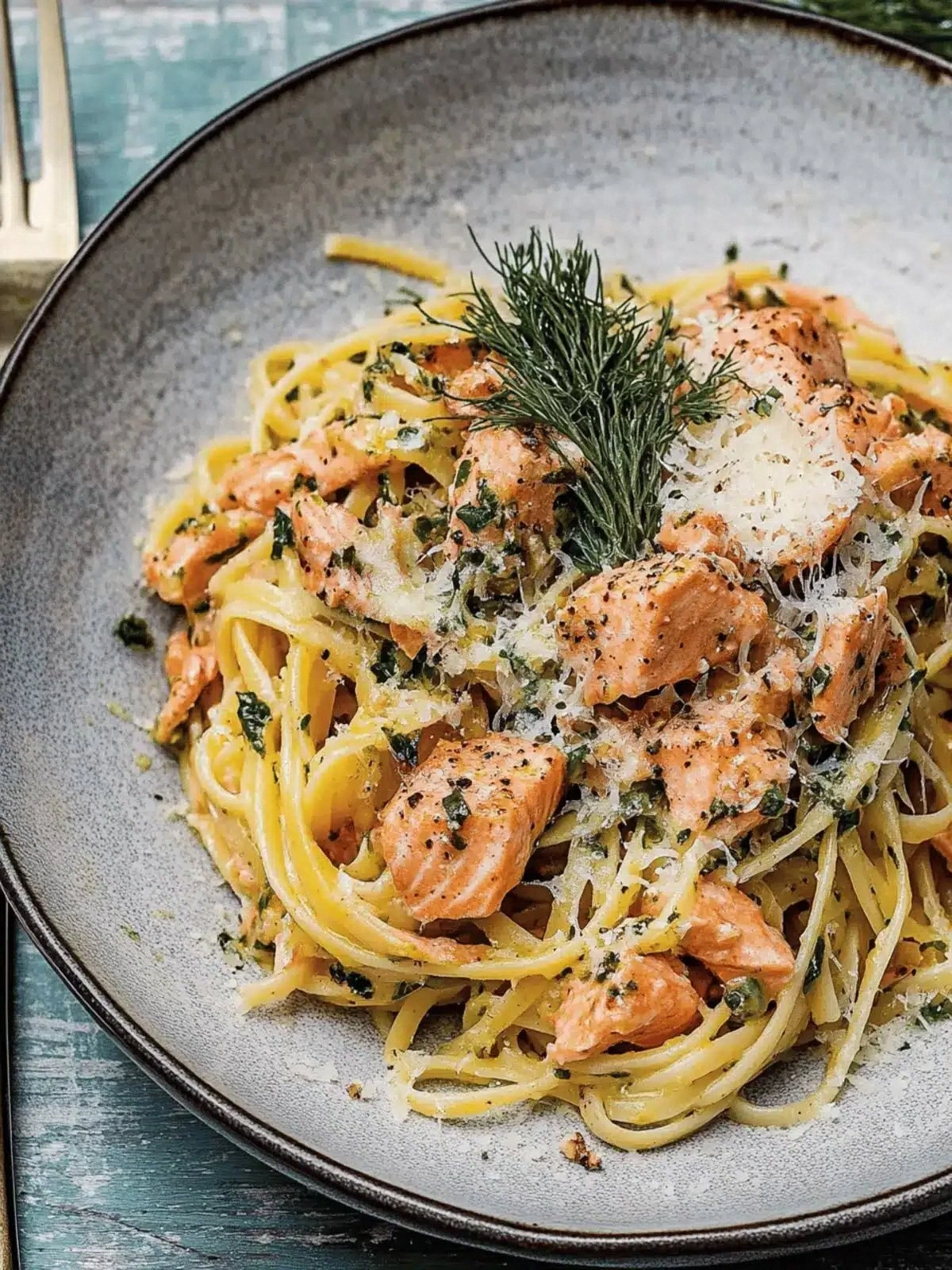
The first thing you notice is the deep, glossy sheen of the sauce coating the linguine, a texture that feels silky yet holds a hint of crunch from the peppery capers. The aroma that rises is a layered tapestry: the sharp citrus of lemon zest, the sweet, mellow undertone of dill, and an unmistakable smoky heat from the chili oil. As you lift a forkful, the pasta’s al dente bite gives way to the tender flakes of salmon that melt in your mouth, releasing a buttery richness that balances the fiery edge. The final touch of grated parmesan creates a subtle nutty finish, while the rocket leaves add a peppery freshness that cuts through the richness.
What makes this version of spicy salmon linguine stand out? It’s not just the ingredients; it’s the harmony of flavors, the precision of technique, and the confidence with which the dish is assembled. I’ve spent countless hours tweaking ratios, testing textures, and even experimenting with different oils, only to realize that the real magic lies in the balance of heat and freshness. This dish is a testament to how a few bold choices—like using a high‑quality chili oil and a fresh, wild salmon—can transform an ordinary pasta into an unforgettable experience. I dare you to taste this and not go back for seconds.
And now, let’s walk through every single step together. By the end, you’ll wonder how you ever made it any other way. Get your apron on, because the next few minutes are going to be pure, delicious, and slightly addictive.
What Makes This Version Stand Out
- Taste: The combination of chili oil and lemon zest creates a bright, spicy kick that cuts through the richness of salmon, resulting in a flavor profile that feels both bold and balanced.
- Texture: The linguine is cooked to al dente perfection, offering a satisfying chew that contrasts with the silky sauce and tender fish flakes.
- Ingredient Quality: Using MSC Wild Pacific red salmon ensures a sustainable source with a naturally buttery flavor that pairs wonderfully with the bright accents.
- Speed: This dish can be assembled in under 45 minutes, making it ideal for a quick weeknight meal without compromising on taste.
- Visual Appeal: The vibrant green of rocket leaves and the bright orange of lemon zest create a dish that looks as good as it tastes.
- Make‑ahead Potential: The sauce can be prepared a day ahead, and the pasta can be reheated with a splash of water, preserving its texture and flavor.
- Crowd Reaction: Friends and family often remark on the “instant wow” factor, especially when the dish arrives smelling like a seaside breeze.
- Uniqueness: Few recipes incorporate chili oil in a pasta sauce; this gives the dish a distinctive edge that sets it apart from typical salmon linguine.
Inside the Ingredient List
The Flavor Base
At the heart of this dish lies a simple yet powerful sauce. The 2 tablespoons of chili oil provide the heat that is the backbone of the flavor profile. When you heat it with finely diced shallot and garlic, it releases a toasty aroma that sets the stage. The lemon zest, a single medium lemon, adds a citrus brightness that counterbalances the oil’s richness. Together, these ingredients create a sauce that feels both comforting and adventurous.
The Texture Crew
The linguine is the canvas on which all these flavors paint their story. 200 grams of linguine, cooked al dente, offers a firm bite that holds the sauce without getting mushy. The small handful of rocket leaves, added at the end, introduces a peppery snap that provides a contrasting texture to the silky sauce. Capers, though used sparingly, add a burst of briny crunch that punctuates each bite.
The Unexpected Star
Wild Pacific salmon is the unexpected star of this dish. 400 grams of MSC‑certified salmon brings a buttery, slightly oily texture that melts in your mouth. Its natural flavor is robust enough to stand up to the chili oil yet delicate enough to be complemented by dill and lemon. The choice of wild salmon over farmed ensures a richer taste and a more sustainable option.
The Final Flourish
A tablespoon of chopped dill adds a herby freshness that lifts the dish, while 2 tablespoons of grated parmesan lend a nutty, salty finish. Seasoning with sea salt and cracked black pepper to taste allows you to adjust the balance, ensuring every bite is perfectly seasoned. Together, these final touches elevate the dish from good to unforgettable.
Everything's prepped? Good. Let's get into the real action.
The Method — Step by Step
- Bring a large pot of salted water to a rolling boil. Add the linguine and cook according to the package directions until al dente, about 8–10 minutes. Drain, reserving a cup of pasta water, and toss with a splash of olive oil to prevent sticking. This step ensures the pasta stays firm and ready to absorb the sauce.
- While the pasta cooks, heat 2 tablespoons of chili oil in a large skillet over medium heat. Add the finely diced shallot and garlic, sautéing until fragrant and translucent, about 2 minutes. The oil should turn a deep amber, indicating it’s infused and ready for the next step.
- Season the salmon fillets with sea salt and cracked black pepper. Pat them dry with a paper towel to ensure a crisp sear. Place the fillets skin‑side down in the skillet, searing for 2–3 minutes until a golden crust forms. Flip and sear the other side for another 2 minutes. The quick sear locks in juices while giving the fish a slight crunch.
- Reduce the heat to low, cover the skillet, and let the salmon finish cooking in the chili oil for an additional 2–3 minutes. The fish should be opaque and flake easily with a fork. Remove the salmon from the skillet and set aside, keeping it warm.
- In the same skillet, add the lemon zest and a pinch of sea salt. Cook for 30 seconds, allowing the zest to release its oils. Then, add the capers and a splash of reserved pasta water to deglaze the pan, scraping up any browned bits. These bits carry the flavor of the sautéed shallot and garlic, enriching the sauce.
- Fold in the cooked linguine, tossing to coat each strand in the chili‑lemon sauce. If the pasta seems dry, add a little more pasta water until the sauce achieves a silky consistency. The pasta should feel coated like velvet.
- Shred the seared salmon into bite‑sized flakes and return them to the skillet. Gently fold the fish into the pasta, ensuring even distribution without breaking the fillets. The heat from the pasta will finish the fish’s flavor infusion.
- Add the chopped dill, grated parmesan, and rocket leaves. Toss everything together, letting the herbs wilt slightly and the cheese melt into a creamy ribbon. Adjust seasoning with sea salt and cracked black pepper to taste.
- Serve immediately, garnished with an extra sprinkle of parmesan and a wedge of lemon on the side. The dish should smell like a seaside breeze, feel warm, and taste like a harmonious blend of heat, citrus, and richness.
That’s it — you did it. But hold on, I've got a few more tricks that'll take this to another level.
Insider Tricks for Flawless Results
The Temperature Rule Nobody Follows
Many cooks overheat the skillet when searing salmon, resulting in a tough exterior and dry interior. I keep the heat on medium and monitor the pan’s temperature by splashing a few drops of water. If they sizzle and evaporate instantly, the heat is perfect. This simple trick keeps the salmon juicy and tender.
Why Your Nose Knows Best
The aroma of the chili oil and lemon zest is the first indicator that the sauce is ready. If the scent feels sharp and citrusy, you’re on the right track. If it smells burnt or too oily, lower the heat immediately. Your nose is a reliable guide to flavor balance.
The 5-Minute Rest That Changes Everything
After you finish cooking, let the dish rest for five minutes before serving. This allows the flavors to meld and the sauce to thicken slightly. It also gives the rocket leaves time to soften just enough, creating a pleasant bite.
Use Fresh Dill, Not Dried
Dried dill loses its bright, herbal notes, which are crucial for balancing the heat. Fresh dill adds a burst of green, herbaceous flavor that keeps the dish vibrant and lively.
Add a Splash of White Wine
For an extra layer of acidity, deglaze the skillet with a tablespoon of dry white wine before adding the capers. The wine evaporates quickly, leaving behind a subtle fruitiness that complements the lemon zest.
Creative Twists and Variations
This recipe is a playground. Here are some of my favorite ways to switch things up:
Spicy Shrimp Linguine
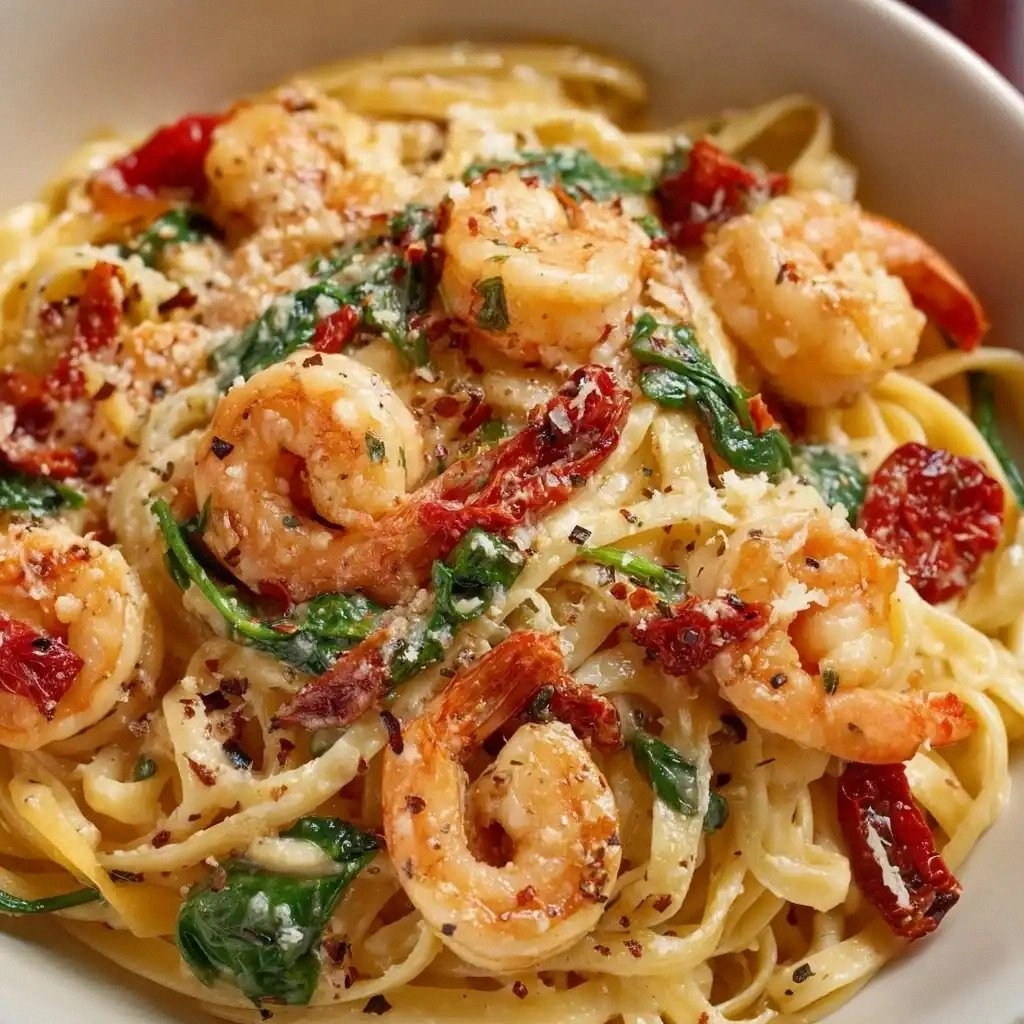
Swap the salmon for peeled and deveined shrimp. Sauté the shrimp in the chili oil until pink, then follow the rest of the steps. The result is a lighter, yet equally vibrant dish.
Vegetarian Version
Replace salmon with a generous serving of pan‑fried tofu. Marinate the tofu in soy sauce and sesame oil before frying. The tofu absorbs the sauce, delivering a protein‑rich alternative.
Pesto Power
Blend basil, garlic, pine nuts, and parmesan into a pesto. Toss the linguine in the pesto before adding the chili oil for a green, herbaceous twist that still carries the heat.
Citrus Explosion
Add segments of blood orange and a dash of orange zest to the sauce. The sweet and tart notes elevate the dish into a brunch‑ready, citrus‑rich pasta.
Gourmet Gnocchi
Swap linguine for potato gnocchi. The pillowy gnocchi pairs beautifully with the silky sauce, creating a comforting, upscale version of the dish.
Mediterranean Twist
Incorporate sun‑dried tomatoes and olives into the sauce. This variation adds a salty, umami depth that pairs wonderfully with the chili oil.
Storing and Bringing It Back to Life
Fridge Storage
Store leftovers in an airtight container in the refrigerator for up to 3 days. When reheating, add a splash of water or broth to help rehydrate the pasta and prevent it from drying out.
Freezer Friendly
To freeze, separate the sauce and pasta into two containers. Freeze the sauce for up to 2 months and the pasta for up to 1 month. When ready to eat, thaw overnight and reheat gently, adding a bit of water to the sauce.
Best Reheating Method
Reheat the dish in a skillet over low heat, stirring frequently. Add a tablespoon of water or pasta water to maintain moisture. The pasta should feel warm and silky, not dry or mushy.