Introduction
Picture this: a Friday night, the kitchen lights flicker, and you’re staring at a stack of bland dinner ideas. You remember a friend’s rave review of tandoori salmon and decide to make a bold move. The moment the pan sizzles, the aroma of cumin, coriander, and smoked paprika fills the room, and you know you’re about to create something that will change your dinner routine forever. I dare you to taste this and not go back for seconds.
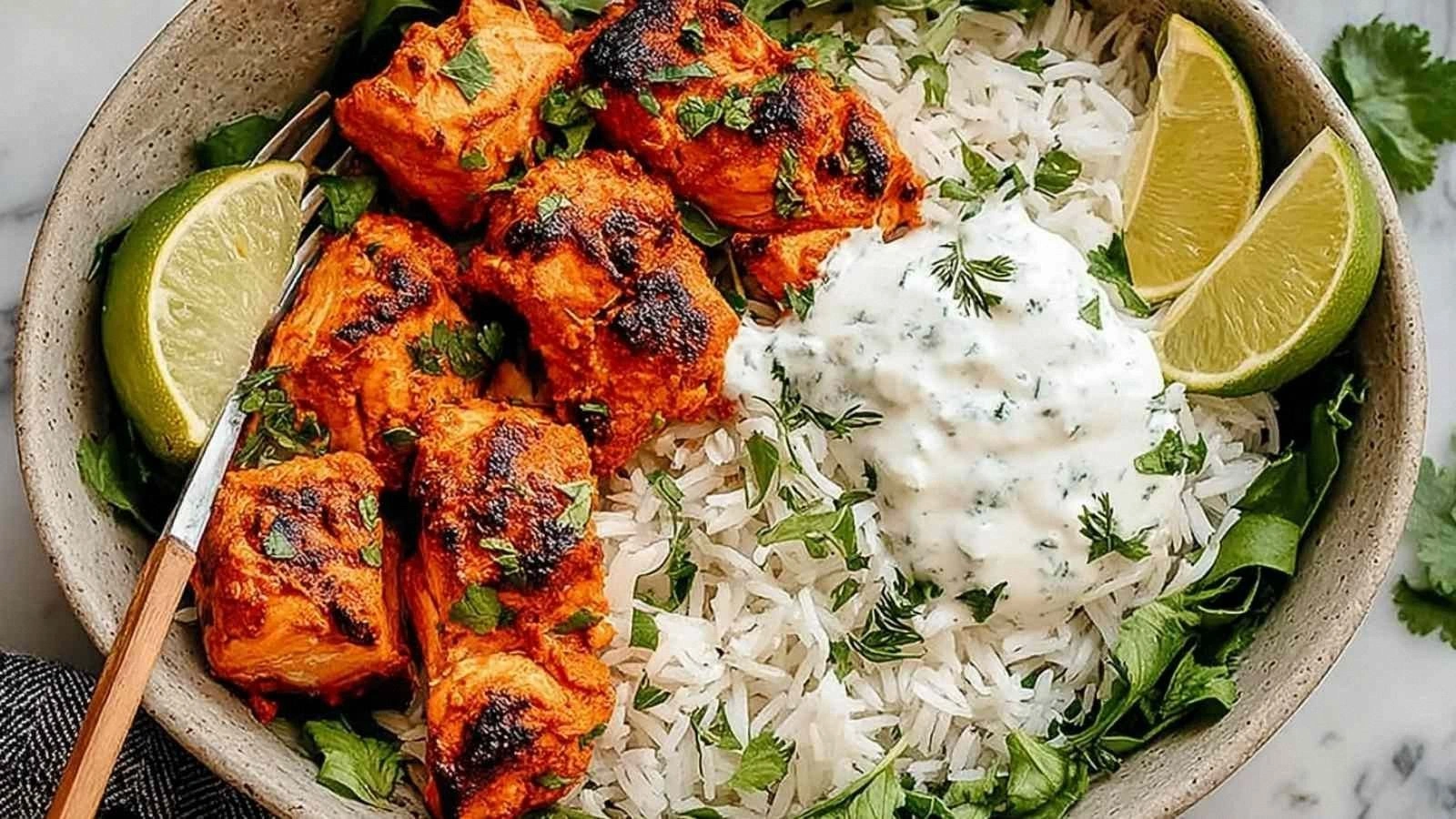
It’s not just the spice that steals the show; it’s the way the salmon’s skin crisps into a caramelized crust while the flesh stays tender and flaky, almost like a cloud of smoky flavor. The rice, fluffy and fragrant, acts as the perfect canvas, soaking up the savory broth and the subtle heat of the tandoori blend. The vegetables add a burst of color and a satisfying crunch that balances the richness of the fish. Every bite feels like a miniature festival in your mouth, and the lime wedges provide a bright, citrusy finish that cuts through the warmth.
Why does this version stand out? Because it’s a symphony of textures and tastes that few recipes manage to orchestrate. The tandoori spice mix is the secret conductor, delivering a depth that goes beyond the usual “spicy” label. The use of vegetable broth instead of water elevates the rice, turning it into a velvety base that carries the flavors. And the quick, no-fuss preparation means you can enjoy a gourmet meal in less than an hour. This is hands down the best version you’ll ever make at home.
Let me walk you through every single step — by the end, you’ll wonder how you ever made it any other way. Picture yourself pulling this out of the oven, the whole kitchen smelling incredible, and your guests lining up for seconds. Stay with me here — this is worth it.
What Makes This Version Stand Out
- Taste: The tandoori spice mix infuses the salmon with a smoky, slightly sweet depth that lingers on the palate, unlike the sharp heat of standard chili blends. It’s a flavor profile that feels both exotic and familiar.
- Texture: The skin crisps to a golden, crackling edge while the interior remains moist, creating a delightful contrast that keeps you licking the spoon.
- Simplicity: No complicated marinades or lengthy prep; the sauce is a quick mix that coats the fish like velvet in minutes.
- Uniqueness: Using vegetable broth for the rice gives it a subtle umami boost, turning a plain grain into a flavorful companion.
- Crowd Reaction: Friends who’ve tried other salmon dishes often say this is “the most satisfying” because it balances spice, richness, and freshness.
- Ingredient Quality: Fresh salmon, high‑quality tandoori spices, and organic vegetables elevate the dish beyond a standard recipe.
- Cooking Method: Pan‑searing for a crispy crust, then finishing in the oven to lock in juices, offers the best of both worlds.
- Make‑Ahead Potential: The rice and vegetables can be cooked ahead, and the salmon can be pre‑marinated, making this a perfect weeknight meal.
Alright, let’s break down exactly what goes into this masterpiece…
Inside the Ingredient List
The Flavor Base
At the heart of this dish lies the tandoori spice mix—an aromatic blend of cumin, coriander, paprika, garam masala, and a whisper of cayenne. It’s the flavor base that transforms ordinary salmon into a smoky, savory masterpiece. If you skip it, you’ll miss the signature depth that makes this bowl unforgettable. For a milder version, reduce the cayenne or omit it entirely, but the dish will feel flatter.
The Texture Crew
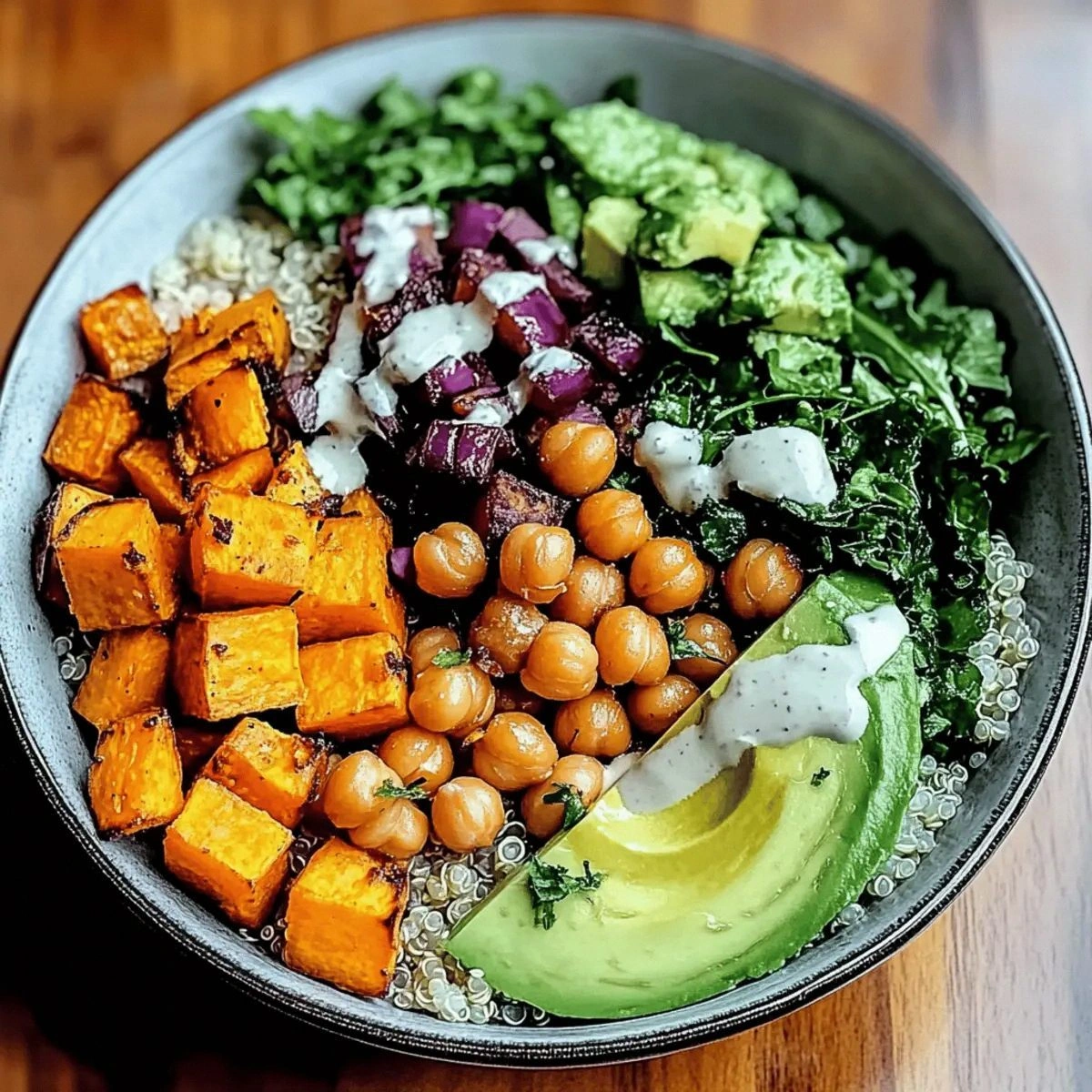
The salmon fillets themselves are the star, but their texture is amplified by the right cooking technique. A quick sear in a hot pan creates a caramelized crust that locks in moisture. The rice, cooked in vegetable broth, becomes fluffy yet slightly sticky, ideal for absorbing the broth’s umami. Mixed vegetables—think bell peppers, carrots, and snap peas—add a satisfying crunch that contrasts with the tender fish. If you prefer a softer vegetable, swap them for zucchini or broccoli florets.
The Unexpected Star
Lime wedges might seem like a garnish, but they’re the unexpected star that brightens the dish. The citrus acidity cuts through the richness and adds a zesty finish that lingers. Fresh cilantro, chopped finely, brings a herbal note that balances the smoky spice. If cilantro is not your thing, try mint or basil for a different aromatic profile.
The Final Flourish
Salt and pepper are the simplest yet most critical finishing touches. Season the salmon just before searing to prevent moisture loss. The olive oil not only prevents sticking but also adds a subtle fruity undertone. A splash of lime juice after cooking brightens the entire bowl, while a drizzle of yogurt or coconut milk can mellow the heat if you’re sensitive. Remember, the final flourish is about balance—too much salt and the dish will taste flat; too little and it will be underwhelming.
Everything’s prepped? Good. Let’s get into the real action…
The Method — Step by Step
- First, combine the tandoori spice mix with the olive oil in a small bowl until you get a thick, glossy paste. This paste will coat the salmon like a second skin, sealing in flavor and moisture. The smell of cumin and paprika is the first hint that something extraordinary is about to happen.
- Pat the salmon fillets dry with paper towels to ensure a crisp sear. Season both sides lightly with salt and pepper, then coat each fillet evenly with the spice paste. Let the fillets rest at room temperature for about 5 minutes; this helps the flavors penetrate deeper.
- Heat a non‑stick skillet over medium‑high heat until it shimmers. Add a splash of olive oil, then slide the salmon fillets skin‑side down. You should hear a satisfying sizzle that signals the pan is hot enough. Allow the fillets to cook untouched for 3–4 minutes, letting the skin crisp into a golden‑brown, almost crackling edge.
- Flip the salmon carefully with a spatula and sear the other side for 2 minutes. Now, transfer the entire skillet to a pre‑heated oven at 375°F (190°C) and bake for 5–7 minutes, or until the internal temperature reaches 145°F (63°C). The oven finish locks in juices and gives the fillets a tender, flaky texture.
- While the salmon bakes, rinse the rice under cold water until the water runs clear. This removes excess starch and ensures the grains stay separate. In a saucepan, bring the vegetable broth to a boil, then stir in the rice, reduce the heat to low, cover, and simmer for 15 minutes. The broth infuses the rice with subtle umami and a hint of spice.
- In a separate skillet, toss the mixed vegetables with a pinch of salt and a drizzle of olive oil. Sauté over medium heat until they’re bright and just tender—about 4–5 minutes. The vegetables should retain a slight crunch, providing a lively contrast to the silky rice.
- Once the salmon is out of the oven, let it rest for 2 minutes. This brief pause allows the juices to redistribute, keeping the fillet moist. Meanwhile, fluff the rice with a fork and divide it between two bowls.
- Place a salmon fillet on top of the rice, arrange the sautéed vegetables around it, and squeeze fresh lime juice over the entire bowl. Garnish with chopped cilantro and a few lime wedges on the side. Serve immediately, letting the steam rise and mingle the flavors.
That’s it — you did it. But hold on, I’ve got a few more tricks that will take this to another level…
Insider Tricks for Flawless Results
The Temperature Rule Nobody Follows
Many chefs think a quick sear is enough, but the secret lies in the oven temperature. Baking at 375°F (190°C) is the sweet spot that ensures the salmon cooks evenly without drying out. If you’re using a thicker fillet, bump the temperature to 400°F (200°C) for the last minute to get a slightly crispier finish.
Why Your Nose Knows Best
Before you even touch the pan, let the spice paste sit for a minute. The aroma will give you a clue about the spice level—if it’s too pungent, dilute with a bit more olive oil. A well‑balanced aroma translates to a perfectly balanced dish.
The 5‑Minute Rest That Changes Everything
After baking, let the salmon rest for exactly five minutes. This allows the juices to redistribute, preventing a dry bite. I’ve seen people skip this step and end up with a dry center; trust me, the rest is worth the extra minutes.
Rice Perfection Hack
To keep the rice fluffy, avoid stirring it while it simmers. Instead, fluff it gently after the 15‑minute cook. If you like a stickier texture, let it rest covered for an additional 5 minutes before serving.
Vegetable Vibes
Don’t overcrowd the skillet when sautéing vegetables; otherwise, they’ll steam instead of crisp. Keep them in a single layer and give them space to brown. A quick sear adds depth and a subtle char that pairs beautifully with the tandoori salmon.
Creative Twists and Variations
This recipe is a playground. Here are some of my favorite ways to switch things up:
Smoky Chipotle Twist
Swap the tandoori spice mix with a chipotle‑in‑adobo blend for a smoky, earthy kick. Pair it with corn kernels for a Tex‑Mex vibe. Your guests will love the bold, smoky flavor that feels like a summer barbecue.
Herbal Mediterranean
Replace the tandoori spices with a blend of oregano, thyme, and rosemary. Use quinoa instead of rice for a nutty, protein‑rich base. The result is a Mediterranean‑inspired bowl that’s light yet satisfying.
Spicy Thai Fusion
Add a splash of fish sauce and a handful of Thai basil to the sauce. Use jasmine rice and sprinkle crushed peanuts on top. The sweet, salty, and spicy notes will transport you to a bustling Bangkok street market.
Vegetarian Vibe
Swap the salmon for marinated tofu or tempeh. Use a tofu‑friendly tandoori spice mix and add sliced eggplant to the vegetable mix. This version offers a hearty, plant‑based alternative that still delivers the smoky, savory experience.
Breakfast Bowl
Serve the salmon over a bed of sautéed spinach and a poached egg. Drizzle with a light yogurt sauce and sprinkle chopped scallions. This breakfast bowl gives you protein and flavor to start your day on a high note.
Low‑Carb Delight
Replace the rice with cauliflower rice. Add a handful of sliced almonds for crunch. The result is a low‑carb, keto‑friendly bowl that doesn’t compromise on flavor.
Storing and Bringing It Back to Life
Fridge Storage
Store the rice, vegetables, and salmon separately in airtight containers. The rice can keep for up to 3 days, while the salmon stays fresh for 2 days. When ready to eat, reheat the rice and vegetables in a skillet, then gently warm the salmon in the microwave for 30 seconds.
Freezer Friendly
Freeze the cooked rice and vegetables in individual portions. The salmon can be frozen raw or cooked; raw fillets last up to 3 months, while cooked ones stay good for 2 months. Thaw overnight in the refrigerator before reheating.
Best Reheating Method
Reheat the rice and vegetables in a skillet over medium heat, adding a splash of water or broth to keep them moist. Warm the salmon in the oven at 300°F (150°C) for 5 minutes, then finish with a squeeze of fresh lime to revive the citrus brightness.