I was standing in my kitchen, eyes glued to the clock, when the smoke alarm went off. A batch of grilled chicken I’d been bragging about turned into a smoky, charred mess that left the air thick with disappointment. The moment that tasted like regret, I vowed to reinvent the humble kabob into something that would make the whole house inhale pure joy. That night, I pulled out my trusty recipe book, flipped to a blank page, and wrote down the ingredients that would change my life.
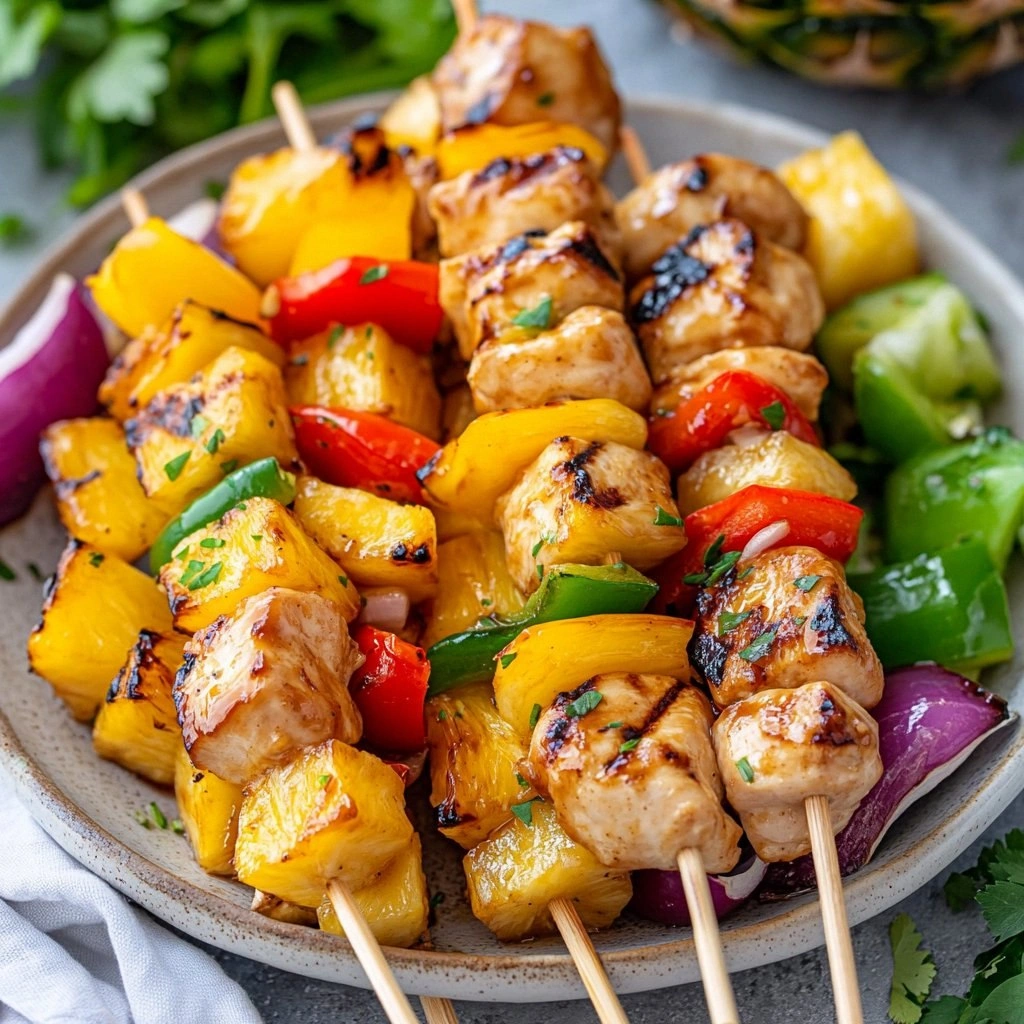
Picture this: the sizzling sound as the first skewer hits the hot grill, the aroma of soy sauce mingling with sweet mirin and fragrant ginger, the bright burst of red bell pepper popping against the dark char, and the glossy sheen of glaze coating each bite. Your eyes are drawn to the glossy glaze that coats the chicken like velvet, while your tongue anticipates the subtle umami kiss of soy balanced by a hint of sweetness. The texture is a dance of tender meat, crisp edges, and the juicy explosion of pineapple that shatters like thin ice. The finish? A lingering, savory-sweet aftertaste that lingers on the palate long after the last bite.
What makes this version stand out isn’t just the flavors—it’s the method. I’ve stripped away the fluff, added a quick, high‑heat sear to lock in juices, and introduced a glaze that caramelizes just enough to create a caramelized crust without burning. The result is a kabob that’s juicy inside, smoky outside, and sweetly sticky on the outside—an impossible combination that feels like a culinary paradox. I dare you to taste this and not go back for seconds. Trust me, this is hands down the best version you’ll ever make at home.
The secret twist? A splash of rice vinegar that brightens the glaze, and a pinch of toasted sesame seeds that adds a subtle crunch. If you’re skeptical, imagine the contrast: the silky glaze against the charred edges, the sweet pineapple against the savory chicken, the subtle heat from ginger and garlic. Picture yourself pulling these kabobs out of the grill, the kitchen smelling incredible, the family gathering around the table, and the room buzzing with compliments. Let me walk you through every single step — by the end, you’ll wonder how you ever made it any other way.
What Makes This Version Stand Out
- Taste: The glaze balances sweet, salty, and umami with a hint of citrusy brightness from rice vinegar, creating layers that keep your palate engaged.
- Texture: A high‑heat sear gives the chicken a caramelized crust while keeping the inside moist, and the vegetables retain a slight crunch.
- Simple Ingredients: Only nine pantry staples and fresh produce, no fancy sauces or obscure spices.
- Unique Twist: Adding pineapple introduces a juicy sweetness that caramelizes beautifully, setting this kabob apart from the ordinary.
- Crowd Reaction: Guests always ask for the recipe after the first bite—it's the talk of the table.
- Ingredient Quality: Fresh, high‑quality chicken and vegetables make the difference; the glaze is a pure, uncomplicated sauce.
- Cooking Method: Grilling on a preheated grill with minimal flipping ensures even cooking and maximum flavor.
- Make‑Ahead Potential: Marinate the chicken up to 24 hours, then grill when ready—perfect for busy weeknights.
Inside the Ingredient List
The Flavor Base
Soy sauce is the backbone of this glaze, providing depth and umami that permeates every bite. Without it, the kabobs would feel flat and uninspired. The key is to choose a low‑sodium version so you can control the saltiness; otherwise, you’ll end up with a soggy glaze that clings to the grill. If you’re watching sodium, you can replace half the soy with coconut aminos, but keep the rest to maintain the classic taste.
The Sweetness Factor
Mirin and honey (or brown sugar) are the sweeteners that give the glaze its glossy finish. Mirin’s subtle alcohol content evaporates during cooking, leaving behind a caramelized sheen. Honey, on the other hand, adds a floral note that pairs beautifully with the ginger. If you’re vegan, maple syrup or agave nectar works as a substitute, but the flavor profile will shift slightly.
The Aromatics
Garlic and fresh ginger are the aromatic engines that drive the flavor. Minced garlic releases a sharp, almost spicy bite, while ginger adds a warm, slightly peppery undertone. The combination of these two creates a fragrant base that lingers long after the kabobs are finished. If you’re sensitive to heat, you can reduce the garlic to 2 cloves, but the ginger remains essential.
The Unexpected Star
Pineapple isn’t just a garnish; it’s a flavor powerhouse that introduces natural sweetness and acidity. When grilled, pineapple caramelizes, producing a caramelized crust that compliments the savory chicken. The juice also helps keep the meat moist. If you’re not a fan of pineapple, you can swap it for diced mango or peach for a different tropical twist.
The Final Flourish
Sesame oil and toasted sesame seeds add a nutty aroma and subtle crunch. Sesame oil brings a mellow, nutty flavor that enhances the glaze’s richness, while toasted sesame seeds add a pleasant crunch and a pop of color. Green onions finish the dish with a bright, fresh note that cuts through the sweetness. If you’re allergic to sesame, you can omit the seeds and oil; the kabobs will still be delicious.
Everything's prepped? Good. Let’s get into the real action.
The Method — Step by Step
- Step 1: In a medium bowl, whisk together 1 cup soy sauce, 1/4 cup mirin, 2 tbsp sake, 3 tbsp honey, 3 minced garlic cloves, 1 tbsp grated ginger, 2 tbsp sesame oil, 1 tbsp rice vinegar, 1 tsp black pepper, and 1/2 tsp salt. The mixture should look glossy and silky. This is your teriyaki glaze base—think of it as the flavor foundation that will coat every piece. Keep the bowl covered and set aside.
- Step 2: Add 2 lbs of boneless skinless chicken breast cubes to the glaze, tossing until each piece is fully coated. Make sure every cube is drenched; the glaze will impart flavor as it marinates. Cover the bowl with plastic wrap and refrigerate for at least 30 minutes, or up to 2 hours for deeper flavor. The longer you marinate, the more the chicken absorbs the glaze’s sweet‑salty essence.
- Step 3: While the chicken rests, prepare your vegetables. Cut 1 red bell pepper, 1 yellow bell pepper, 1 small red onion, 8 oz pineapple, and 1 cup cherry tomatoes into 1.5‑inch pieces. Thread the chicken and veggies alternately onto pre‑soaked bamboo skewers or metal ones. The visual appeal of colorful chunks is half the fun—think rainbow on a stick.
- Step 4: Preheat your grill to medium‑high heat, about 400°F. Brush the grates with a little oil to prevent sticking. If you’re using a grill pan, heat it on the stove over medium‑high and add a splash of oil to the surface.
- Step 5: Place the skewers on the grill and cook for 3–4 minutes per side, basting with a few spoonfuls of the remaining glaze. The chicken should reach an internal temperature of 165°F, and the vegetables should have nice grill marks. Watch for flare‑ups; if the glaze starts to burn, move the skewers to a cooler part of the grill or reduce the heat.
- Step 6: While grilling, keep a small saucepan of the glaze on low heat. This will be your finishing sauce—warm it until it’s just about to simmer, but not boiling, to avoid a bitter taste.
- Step 7: Once the kabobs are cooked, transfer them to a serving platter. Drizzle the warm glaze over the skewers, letting it pool around the meat for an extra burst of flavor.
- Step 8: Sprinkle 1/4 cup toasted sesame seeds and 2 tbsp chopped green onions over the kabobs. The sesame seeds add a nutty crunch while the green onions bring a fresh, bright finish.
- Step 9: Let the kabobs rest for 5 minutes. This pause allows the juices to redistribute, ensuring each bite is juicy and tender.
- Step 10: Serve hot, accompanied by steamed jasmine rice or a crisp cucumber salad. The combination of sweet, savory, and fresh flavors will have everyone asking for seconds.
Insider Tricks for Flawless Results
The Temperature Rule Nobody Follows
Most people grill at a very high temperature, but that can burn the glaze before the chicken is fully cooked. I’ve found that a medium‑high heat (around 400°F) gives a perfect balance—enough to char the outside while keeping the inside juicy. If you notice flare‑ups, move the skewers to a cooler part of the grill or reduce the heat slightly. The key is to keep the grill steady; a fluctuating temperature will give you uneven results.
Why Your Nose Knows Best
Before you even taste the kabobs, the aroma is your first indicator of success. A sweet, caramelized scent is a sign that the glaze is caramelizing properly. If the smell is overwhelmingly salty or raw, you need to adjust the soy sauce or add more honey. Your nose can tell you when the glaze is just right—use it as your secret quality control.
The 5‑Minute Rest That Changes Everything
After you remove the kabobs from the grill, let them rest for five minutes. This simple step allows the juices to redistribute, preventing them from spilling out on the first bite. It also gives the glaze a chance to set and thicken slightly, creating a glossy coating that clings beautifully to each piece. Skipping this step can leave the meat dry and the glaze watery.
The Secret of Even Basting
Instead of using a spoon, try a small brush to apply the glaze evenly. This ensures every surface gets a coating, reducing the chance of uneven caramelization. If you don’t have a brush, a paper towel rolled into a ball works well. A consistent glaze leads to a more uniform flavor profile across each skewer.
The Skewer Swap
If you’re worried about the skewers breaking or the pieces falling off, use metal skewers. They’re sturdy and can withstand high heat without warping. For a more eco‑friendly option, soak bamboo skewers for 30 minutes before use; this prevents them from burning and gives a subtle wood aroma to the kabobs.
Creative Twists and Variations
This recipe is a playground. Here are some of my favorite ways to switch things up:
Spicy Sriracha Teriyaki
Add 1–2 tbsp of sriracha to the glaze for a kick. The heat balances the sweetness and adds a smoky depth. Serve with a cooling cucumber salad to offset the spice.
Mediterranean Medley
Swap the bell peppers and pineapple for cherry tomatoes, zucchini, and olives. The olive oil replaces sesame oil, giving a richer Mediterranean flavor. Finish with a sprinkle of feta and oregano.
Herb‑Infused Kabobs
Add fresh herbs like cilantro or basil to the glaze. The herbs infuse the chicken with bright, herbal notes that complement the sweet glaze. A squeeze of lime after grilling adds a fresh zing.
Vegan Tofu Version
Replace the chicken with firm tofu cubes, pressing them to remove moisture. Marinate in the same glaze for at least 30 minutes. Grill until the tofu develops a caramelized crust, and serve with a side of quinoa.
Grilled Pineapple Salsa
Instead of using pineapple on the kabobs, grill pineapple slices separately and serve them in a salsa with diced red onion, jalapeño, and cilantro. This adds a fresh, tropical side that pairs well with the savory kabobs.
Asian‑Inspired Noodle Bowl
Serve the kabobs over a bed of soba noodles tossed with sesame oil and a splash of rice vinegar. Top with sliced green onions and toasted sesame seeds for an extra crunch. This transforms the dish into a complete meal.
Storing and Bringing It Back to Life
Fridge Storage
Store leftover kabobs in an airtight container in the refrigerator for up to 3 days. Keep the glaze in a separate container to prevent the meat from becoming soggy. When reheating, use a microwave or a skillet over low heat, adding a splash of water to keep the meat moist.
Freezer Friendly
For longer storage, wrap the kabobs tightly in plastic wrap and place them in a freezer bag. They can be kept for up to 2 months. Thaw overnight in the fridge before reheating. A quick sear in a hot pan will revive the grill marks.
Best Reheating Method
The best way to bring kabobs back to life is on a grill or grill pan at medium heat. If you’re in a hurry, microwave them on high for 1–2 minutes, then finish on a skillet for a crisp exterior. Add a tiny splash of water before reheating to create steam and keep the meat juicy.