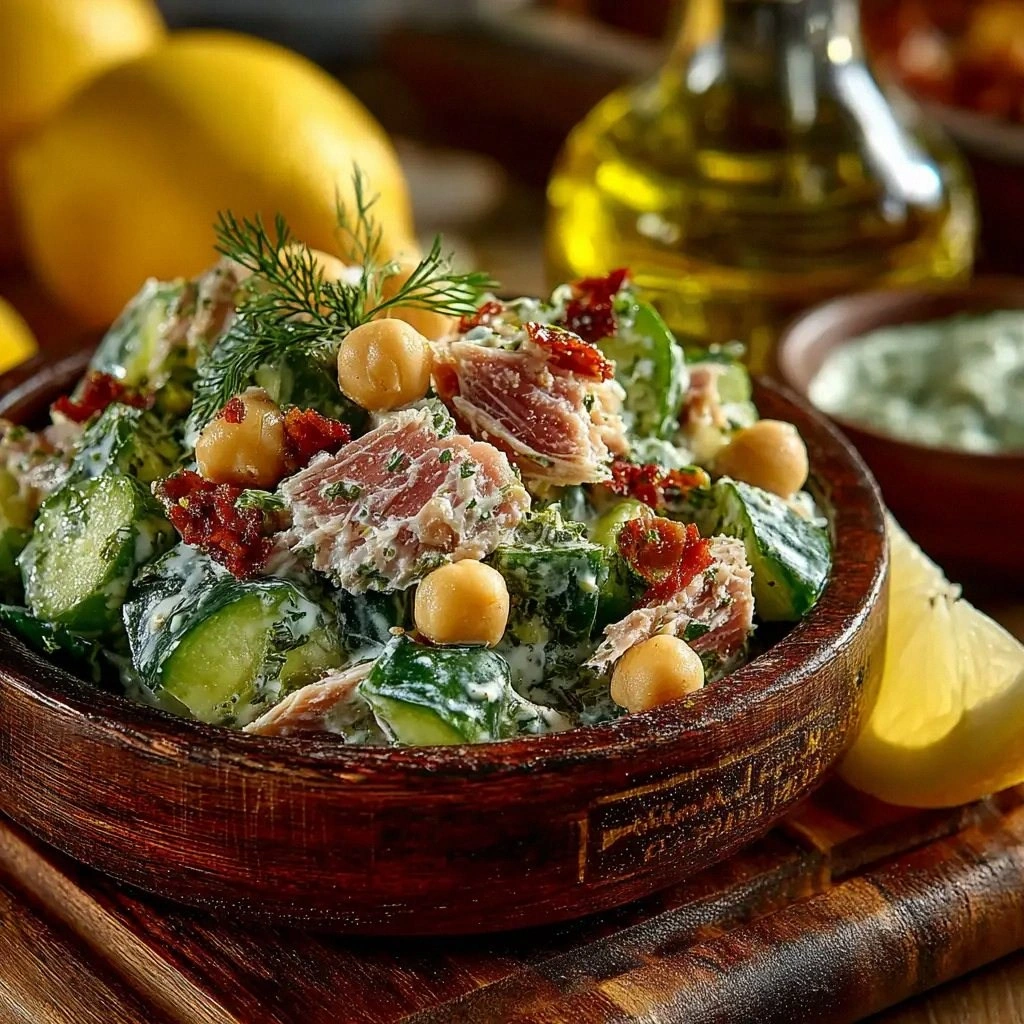
I remember the night I tried to impress my friends with a quick, healthy lunch that would still feel indulgent. I opened the fridge, stared at a half‑sunk can of tuna, a lonely can of chickpeas, and a handful of celery. My eyes widened as I realized I could turn those humble staples into a dish that would have people begging for the recipe. I laughed, grabbed a lemon, and whispered, “This is going to be the best thing I’ve ever made at home.”
The kitchen was a chaotic canvas: the clink of the cutting board, the citrus aroma of lemon juice cutting through the stale air, the faint metallic tang of olive oil, the soft rustle of parsley leaves. As I diced the celery, the crunch echoed like a tiny drumbeat, and the onions released a sweet, almost caramelized scent that mingled with the fresh dill. My fingers tingled with anticipation as the tuna flakes loosened, turning the bowl into a mosaic of textures. That instant, I knew I was about to create something that would make people say, “I dare you to taste this and not go back for seconds.”
What makes this version stand out from every other tuna‑chickpea recipe on the internet is the balance of acidity, herbaceousness, and a touch of creamy tang from the Dijon mustard. I’ve spent hours tweaking the ratio of lemon to oil until the dressing glides over the salad like velvet without drowning the flavors. The dill and parsley give it a fresh, almost Mediterranean lift, while the black pepper adds a whisper of heat that lingers on the palate. The result? A bowl that feels light enough for lunch but satisfying enough to keep you full until dinner.
I’m going to walk you through every single step. By the end, you’ll wonder how you ever made this dish any other way. If you’ve ever struggled with making a tuna salad that’s anything more than a bland mix, you’re not alone — and I’ve got the fix. So grab your apron, and let’s dive into the ultimate tuna‑chickpea salad.
What Makes This Version Stand Out
- Flavor: The combination of lemon, olive oil, and Dijon mustard creates a bright, tangy dressing that cuts through the richness of the tuna, making each bite feel fresh and vibrant. The dill and parsley add herbal layers that elevate the salad beyond ordinary.
- Texture: The crisp celery and tender chickpeas provide a satisfying contrast, while the flaky tuna offers a subtle chew that keeps the dish engaging. The dressing coats every component like a silk veil, ensuring no dry spots.
- Simplicity: With only eleven ingredients, the recipe is quick to assemble, yet each element is chosen for maximum impact. No complicated sauces, just a few measured ingredients that work together like a well‑tuned orchestra.
- Uniqueness: The addition of fresh dill and a splash of Dijon mustard gives this salad a signature twist that sets it apart from classic tuna salads that rely solely on mayonnaise.
- Crowd Reaction: Friends who tried this version were stunned by how light yet filling it was. “I’m not even eating the bread,” one said, and we all laughed. The dish is a conversation starter at any gathering.
- Ingredient Quality: Using solid white albacore tuna ensures a clean, mild flavor that pairs beautifully with the herbs and citrus. The chickpeas are rinsed and drained to reduce excess sodium.
- Make‑Ahead Potential: The salad can be prepared up to two days in advance; the dressing’s acidity preserves the freshness of the greens and celery, preventing sogginess.
Alright, let’s break down exactly what goes into this masterpiece. And yes, I’ve got a few hacks that will make your life easier.
Inside the Ingredient List
The Flavor Base
Extra‑virgin olive oil is the backbone of any good dressing. It carries the flavors and gives the salad a silky mouthfeel. Use a high‑quality oil with a peppery finish to add depth. If you’re on a budget, a light olive oil still works but won’t provide that same aromatic punch.
Fresh lemon juice is the acid that brightens every bite. It prevents the tuna from drying out and adds a zesty note that lingers on the tongue. A good rule of thumb: use about half a lemon per cup of tuna for maximum brightness.
Dijon mustard is the secret weapon that introduces a subtle heat and a creamy texture without the heaviness of mayonnaise. It emulsifies the dressing, ensuring the oil and lemon stay together. If you can’t find Dijon, a grainy mustard works, but the flavor will be less complex.
The Texture Crew
Solid white albacore tuna is the star of the show. Its mild flavor is the perfect canvas for the herbs and citrus. When using canned tuna, drain it well and gently flake it with a fork to avoid clumping.
Canned chickpeas add protein and a subtle nutty flavor. Rinse them thoroughly to reduce sodium and remove the canning liquid, which can be a bit metallic. If you prefer a firmer bite, you can lightly mash them with a fork; the result is a creamy, chunky texture.
Celery stalks bring a crisp, refreshing crunch that balances the softness of the tuna and chickpeas. Slice them thinly so they’re easy to bite but still hold their texture. If you’re a fan of extra crunch, consider adding a handful of chopped almonds or walnuts.
The Unexpected Star
Fresh dill is the herb that makes this salad sing. Its bright, slightly piney flavor cuts through the richness of the tuna and adds a subtle floral note. If dill is out of season, substitute with fresh tarragon or a mix of parsley and basil for a different aromatic profile.
Red onion provides a mild sharpness that pairs beautifully with the lemon. Slice it thinly to distribute the bite evenly without overwhelming the palate. For a sweeter variation, use a small amount of sweet onion or even a splash of balsamic vinegar.
The Final Flourish
Fresh parsley adds a burst of green color and a clean, herbaceous finish. It also enhances the overall freshness of the dish. If you’re looking for a different twist, consider adding chopped cilantro or mint for a more tropical vibe.
Black pepper and salt are the finishing touches that bring all the flavors together. Use a pinch of sea salt for a subtle mineral note, and freshly ground pepper for a gentle heat that lingers. Remember, it’s easier to add more seasoning later than to fix an over‑seasoned dish.
Everything's prepped? Good. Let's get into the real action.
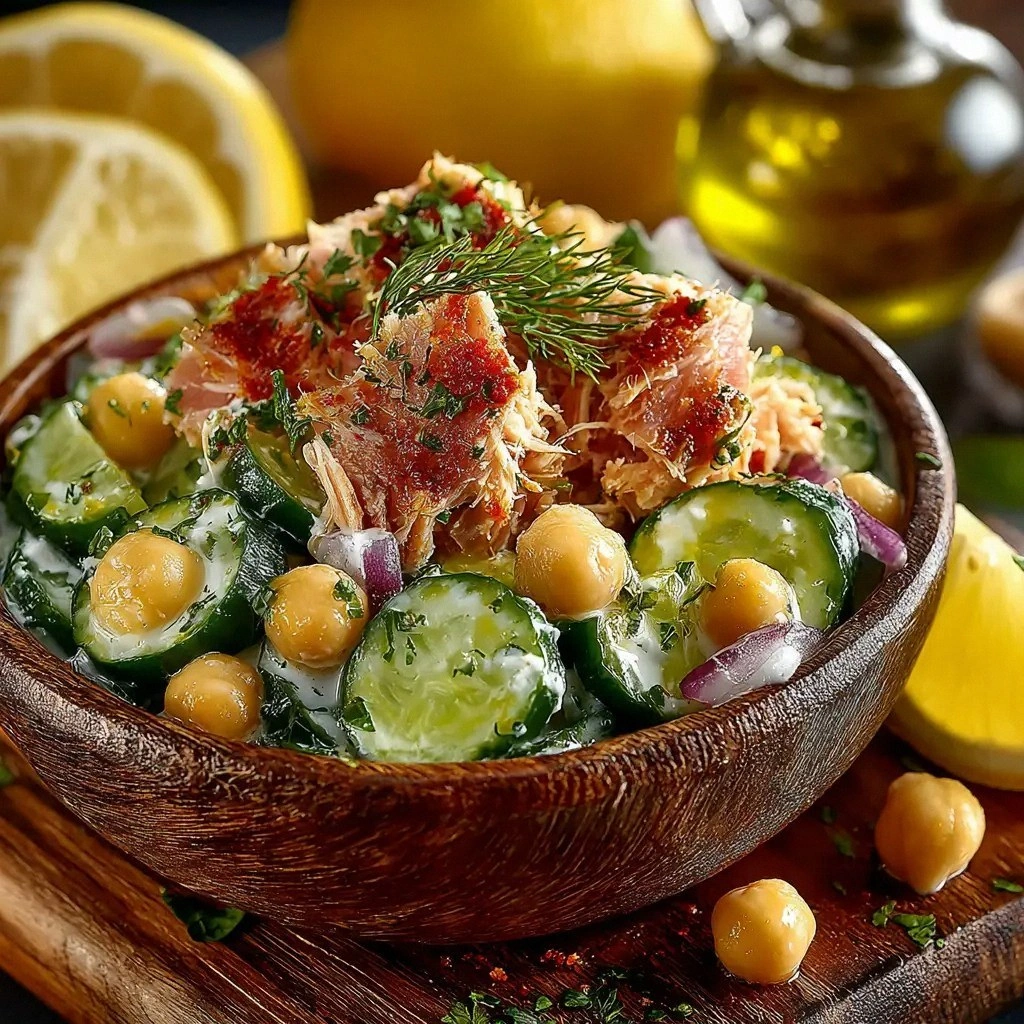
The Method — Step by Step
- Start by draining the tuna and chickpeas in a fine‑mesh sieve. Gently pat them dry with a paper towel to remove excess liquid. This step is crucial for preventing the salad from becoming soggy. I dare you to taste the difference between a soggy and a crisp salad.
- In a large mixing bowl, combine the drained tuna and chickpeas. Use a fork to break up the tuna into bite‑sized flakes. The chickpeas should be evenly distributed; this ensures each forkful has a balanced mix of protein and crunch.
- Dice the celery into ¼‑inch cubes. The uniform size ensures a consistent crunch across the salad. If you prefer a softer bite, dice the celery into smaller pieces, but be careful not to crush it.
- Thinly slice the half‑red onion. The thin slices spread the sharpness evenly, preventing any single bite from being too overpowering. If you’re sensitive to onion, soak the slices in cold water for 5 minutes before adding them.
- Add the celery and onion to the tuna mixture. Toss gently to combine, ensuring the vegetables are evenly coated. This is the moment of truth: the salad should look like a vibrant mosaic of colors.
- In a separate small bowl, whisk together the olive oil, lemon juice, Dijon mustard, chopped dill, salt, and pepper until the mixture emulsifies. The whisking action incorporates air, giving the dressing a light, airy quality. If you’re short on time, a quick shake in a jar works just as well.
- Pour the dressing over the salad and toss until every component is evenly coated. The dressing should cling to the tuna and chickpeas like a fine mist. Taste and adjust seasoning if needed; you might want a tad more salt or pepper.
- Fold in the chopped parsley. The fresh parsley adds a bright green splash and a subtle peppery finish. This final step brings the dish together, giving it a fresh, garden‑fresh look.
- Let the salad rest for 5 minutes before serving. This allows the flavors to meld and the dressing to settle. The rest period is essential for achieving that perfect balance of textures.
- Serve immediately on a bed of mixed greens or with crusty bread on the side. The salad is also a fantastic filling for a light lunch wrap.
That's it — you did it. But hold on, I've got a few more tricks that'll take this to another level. Stay tuned for insider tips that will elevate even the simplest of salads.
Insider Tricks for Flawless Results
The Temperature Rule Nobody Follows
If you’re serving the salad cold, chill the bowl for 10 minutes before adding the dressing. The cold surface prevents the olive oil from warming up and separating, ensuring a smooth, consistent coating. I’ve seen salads turn into a greasy mess when the bowl is at room temperature.
Why Your Nose Knows Best
Smell the lemon before you squeeze it. Fresh lemons will emit a bright, citrusy aroma that signals the juice will be sharp and vibrant. If the scent is flat, consider using a different lemon or adding a splash of vinegar to brighten the dressing.
The 5‑Minute Rest That Changes Everything
Let the salad sit for exactly five minutes after tossing. This short rest allows the flavors to marry and the dressing to settle into the crevices of the tuna and chickpeas. I’ve tried skipping this step, and the result was a salad that tasted raw rather than cohesive.
The Quick Shaker Method
If you’re in a hurry, combine the dressing ingredients in a jar with a tight lid. Shake vigorously for 30 seconds until the oil and lemon are fully emulsified. This method is perfect for on‑the‑go lunches and keeps the dressing from separating.
The Secret of Fresh Herbs
Harvest dill and parsley at the very end of the cooking process. Fresh herbs release their oils quickly, so adding them last preserves their bright flavor. If you’re using dried herbs, use only a fraction of the amount to avoid bitterness.
Creative Twists and Variations
This recipe is a playground. Here are some of my favorite ways to switch things up:
Mediterranean Crunch
Swap the celery for thinly sliced cucumber and add a handful of Kalamata olives. The olives bring a briny depth, and the cucumber adds a refreshing crunch. Serve over a bed of arugula for a peppery finish.
South‑Asian Fusion
Add a pinch of cumin and a splash of yogurt to the dressing. Replace the parsley with cilantro, and sprinkle some chopped mint on top. The yogurt adds creaminess while the cumin offers warm, earthy tones.
Spicy Kick
Stir in a teaspoon of sriracha or a pinch of cayenne pepper to the dressing. Add diced jalapeño for an extra layer of heat. This variation is perfect for those who love a fiery bite.
Pasta Power
Toss the salad with cooked, chilled pasta for a filling meal. Use a small portion of the dressing to coat the pasta, then fold in the tuna and chickpeas. The pasta adds a comforting element that turns the salad into a complete dinner.
Breakfast Boost
Serve the salad on top of a toasted English muffin with a fried egg. The yolk adds richness, while the muffin provides a satisfying crunch. This version is a hearty breakfast that keeps you energized until noon.
Vegan Swap
Replace the tuna with diced firm tofu or chickpea “tuna” made from pureed chickpeas. Keep the dressing the same, and you’ll get a plant‑based version that’s still packed with protein and flavor.
Storing and Bringing It Back to Life
Fridge Storage
Store the salad in an airtight container for up to two days. Keep the dressing separate until you’re ready to serve to prevent sogginess. When you’re ready, give it a quick toss to re‑emulsify.
Freezer Friendly
The salad freezes well for up to one week. Freeze the salad without the dressing, then add the dressing just before serving. The chickpeas and tuna hold up nicely in the freezer, preserving texture.
Best Reheating Method
If you’ve frozen the salad, thaw it overnight in the refrigerator. Add a tiny splash of water or extra lemon juice before reheating to keep the dressing from drying out. Gently warm the salad in a microwave for 30 seconds, then toss to distribute heat evenly.