Picture this: you’re halfway through a frantic week, the fridge is a sad, lonely bowl of wilted lettuce, and you’re craving something sweet that feels like a hug. I remember the night I tried to salvage a burnt lasagna and, in a moment of culinary desperation, I whipped up a basbousa from a handful of pantry staples. The result was a golden, caramelized cake that burst with coconut aroma and a syrup that sang citrus notes. That night, I tasted the first bite and felt the kitchen’s usual chaos melt away. I dared myself to create a version that would become the go-to dessert for every gathering, and I’m not kidding—this is hands down the best version you’ll ever make at home.
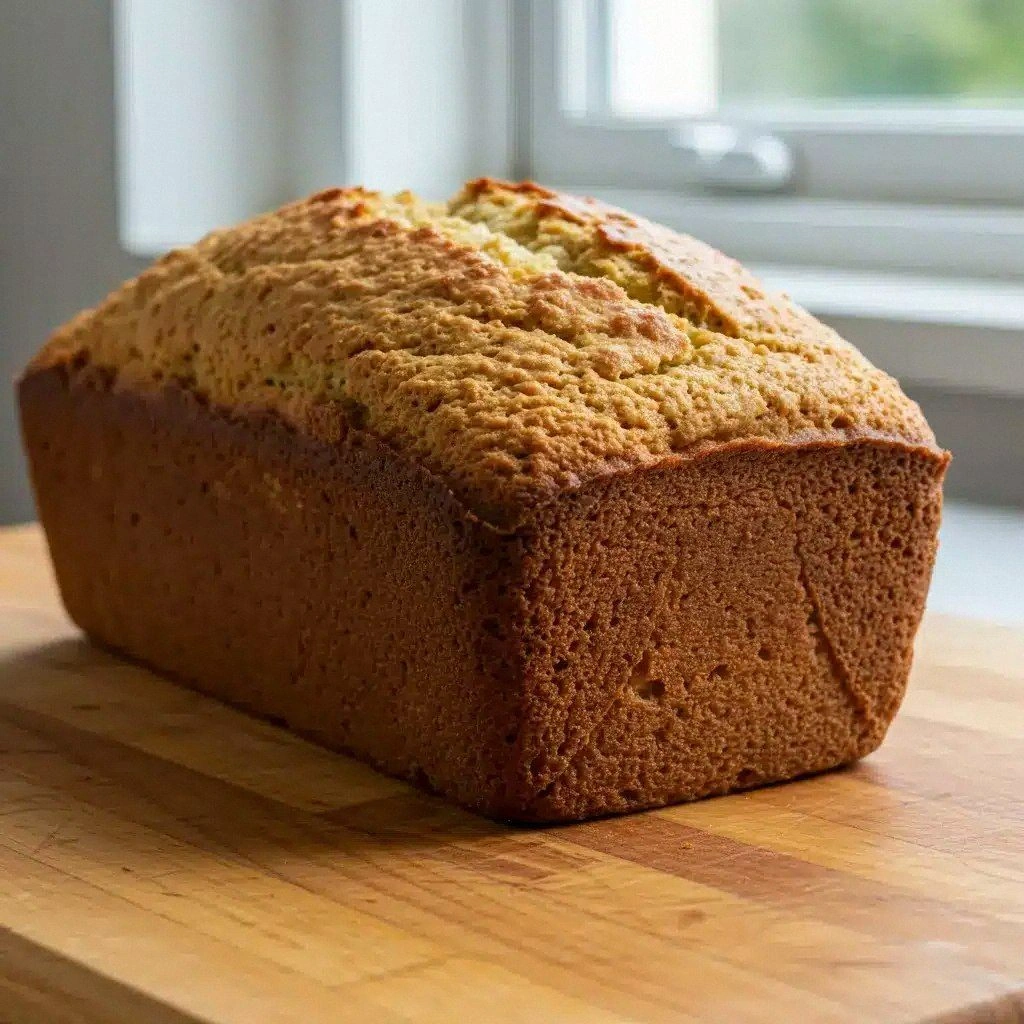
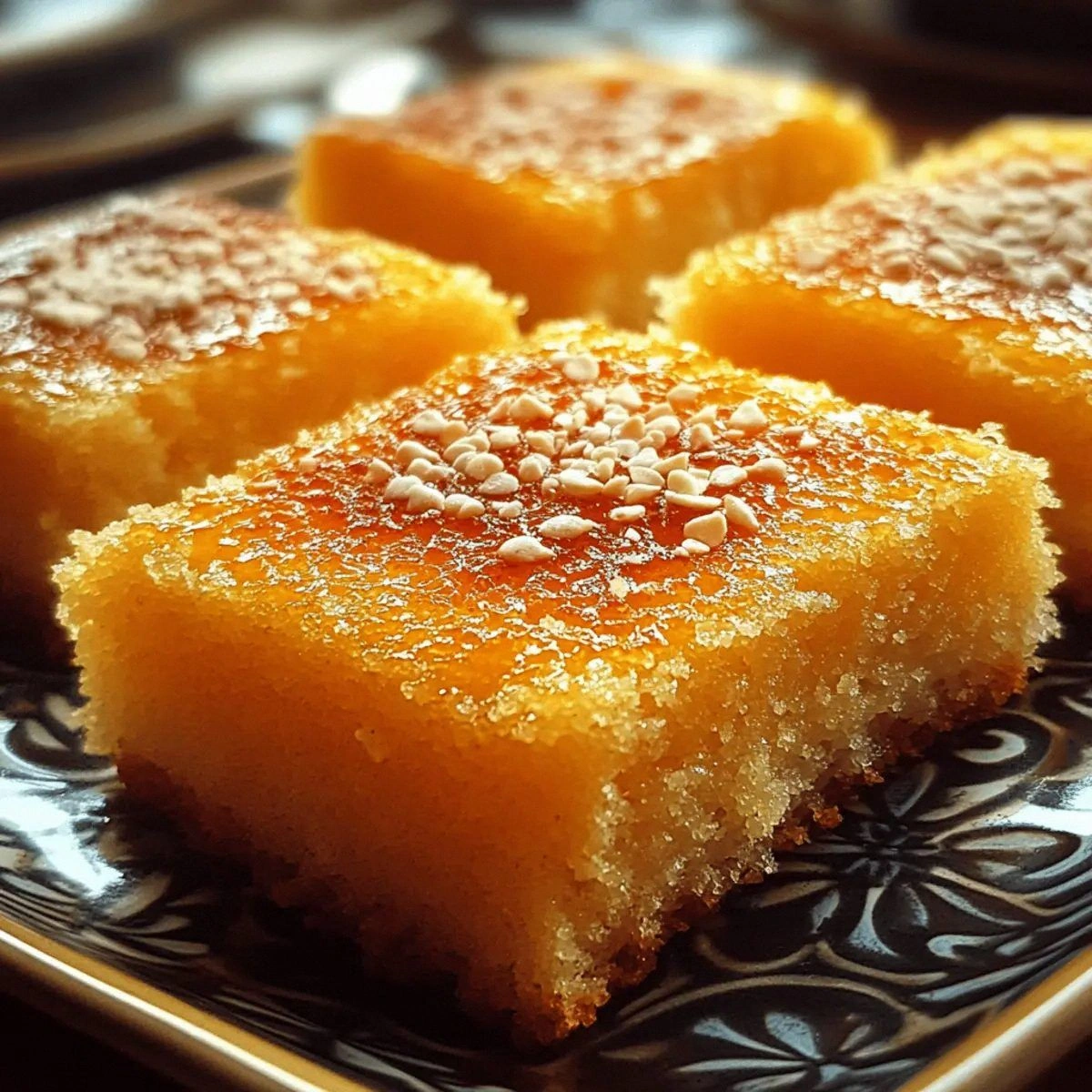
I’m not a magician, but I can turn a few simple ingredients into a dessert that feels like it belongs in a palace. The first thing that catches your eye is the glossy sheen of the basbousa, as if each crumb is coated in liquid gold. The second is the aroma—sweet semolina mingling with coconut and a subtle perfume of rose water that makes you pause, inhale, and smile. The third is the texture: a crisp, caramelized edge that snaps like thin ice, giving way to a soft, almost velvety interior that melts in your mouth. Finally, there’s the syrup—light, fragrant, and just a touch of citrus that lifts the whole cake, making it feel fresh and not overly sweet.
What makes this version stand out is that it’s built on a secret technique: whisking the semolina with yogurt and butter to create a batter that’s both airy and dense, then baking it at a low temperature to preserve moisture. I’ve discovered that using shredded coconut in the batter, not just as a garnish, adds an unexpected crunch that contrasts beautifully with the smooth interior. The syrup isn’t just plain sugar water; it’s a delicate blend of lemon juice and rose water that gives the cake a floral note you rarely find in typical desserts. And if you’re worried about the final result being too sweet, the almond garnish adds a subtle nutty bitterness that balances everything perfectly.
I’ll be honest—when I first tasted the finished basbousa, I ate half the batch before anyone else even got a fork. Most recipes get this completely wrong. Here’s what actually works: a gentle bake, a syrup that soaks through without drowning the cake, and a final finish of toasted almonds that adds crunch. If you’ve ever struggled with basbousa, you’re not alone—and I’ve got the fix. Picture yourself pulling this out of the oven, the whole kitchen smelling incredible, and your guests asking for the recipe before you even finish the last bite.
Okay, ready for the game‑changer? Let me walk you through every single step—by the end, you’ll wonder how you ever made it any other way.
What Makes This Version Stand Out
- Texture: The batter is silky because we combine semolina with yogurt and melted butter, creating a smooth base that still holds a light bite.
- Flavor: A splash of rose water in the syrup gives the cake an unmistakable floral perfume that elevates the sweetness.
- Moisture: Baking at 165°C (325°F) keeps the cake from drying out, while the syrup is poured immediately to lock in juiciness.
- Crunch: Shredded coconut is folded into the batter, not just sprinkled on top, giving a subtle nutty crunch that contrasts with the soft interior.
- Ease: Every step can be completed in under an hour, making it a perfect dessert for busy evenings.
- Versatility: The recipe adapts to dairy‑free, nut‑free, or vegan variations with simple swaps.
- Presentation: The golden crust and glossy syrup finish make this basbousa look like a professional bakery item.
- Make‑ahead: It can be prepared a day in advance and reheated with a splash of water to regain its moisture.
Alright, let’s break down exactly what goes into this masterpiece...
Inside the Ingredient List
The Flavor Base
Semolina flour is the heart of basbousa; its coarse texture gives the cake its characteristic chew. Using medium‑coarse semolina rather than fine flour ensures a slightly crunchy bite that pairs well with the syrup. If you can’t find semolina, a blend of all‑purpose flour and cornmeal can mimic the texture, but the flavor will be noticeably different. The yogurt, on the other hand, adds moisture and a subtle tang that balances the sweetness of the sugar.
The Texture Crew
Butter or ghee is the fat that creates a tender crumb. Ghee gives a richer, nutty flavor, while butter offers a classic creamy taste. Shredded coconut is folded into the batter, not just sprinkled on top. This technique infuses each bite with a subtle, toasted coconut crunch that contrasts beautifully with the soft interior. Baking at a lower temperature prevents the edges from drying out, preserving that perfect “toasty” flavor.
The Unexpected Star
Rose water, or orange blossom water, is the secret that elevates this basbousa from ordinary to extraordinary. A tablespoon of floral water in the syrup gives the cake a perfume that lingers long after the last bite. If you’re not a fan of floral notes, a splash of vanilla extract can replace it, though the aroma will shift. The lemon juice in the syrup adds a bright acidity that cuts through the sweetness, leaving a clean finish.
The Final Flourish
Almonds or pistachios are the garnish that adds a final crunch and visual appeal. Toast them lightly in a dry pan to bring out their nutty aroma before sprinkling them over the hot cake. The sugar used in the syrup is divided into two parts: one for the batter, one for the syrup. The syrup’s sugar content ensures the cake stays moist and glossy, while the batter’s sugar gives a subtle caramelized flavor.
Everything’s prepped? Good. Let’s get into the real action...
The Method — Step by Step
- Preheat the oven. Set your oven to 165°C (325°F) and line a 9×13 inch baking pan with parchment paper. This low temperature allows the basbousa to bake evenly without burning the edges. While the oven warms, gather all your ingredients and set the pan aside.
- Mix the dry ingredients. In a large bowl, sift together the semolina flour, baking powder, and shredded coconut. Sifting removes lumps and ensures a uniform batter. If you prefer a slightly sweeter cake, you can add a pinch of salt at this stage, but it’s optional.
- Blend the wet mix. In a separate bowl, whisk together the yogurt, melted butter, and sugar until smooth. The yogurt should be at room temperature to blend easily. This mixture will provide the moisture that keeps the cake tender.
- Combine the wet and dry. Pour the yogurt mixture into the dry ingredients, stirring continuously. The batter should be thick but pourable; if it’s too thick, add a tablespoon of water. Stir until the mixture is free of lumps and the coconut is evenly distributed. This is the moment of truth—your batter should look silky, not gritty.
- Transfer to the pan. Spoon the batter into the prepared pan, smoothing the top with a spatula. The batter should spread evenly, creating a uniform layer. Sprinkle the toasted almonds or pistachios on top, pressing them gently into the batter so they adhere.
- Bake the basbousa. Place the pan in the oven and bake for 30 minutes, or until the top turns golden brown and a toothpick comes out clean. The batter will rise slightly, creating a light, airy texture. Keep an eye on the edges; if they start to brown too quickly, tent the pan with foil.
- Prepare the syrup. While the cake bakes, combine 1 cup of sugar, 1 cup of water, 1 tablespoon of lemon juice, and 1 tablespoon of rose water in a saucepan. Bring to a gentle boil, then reduce the heat and simmer for 5 minutes until the syrup thickens slightly. The syrup should be glossy but not syrupy thick.
- Pour the syrup. Once the cake is done, remove it from the oven and immediately pour the hot syrup evenly over the warm cake. The syrup will soak in, creating a glossy finish that makes the cake look like liquid gold. Let the cake cool in the pan; as it cools, the syrup will be absorbed fully.
- Serve or store. Let the basbousa cool completely before slicing. If you’re serving immediately, cut it into squares and enjoy the contrast of crunchy edges and moist interior. For later, wrap tightly in plastic wrap and refrigerate; it stays fresh for up to 5 days. When reheating, add a splash of water and microwave for 30 seconds to restore moisture.
That's it—you did it. But hold on, I've got a few more tricks that'll take this to another level. The secret lies in the details, and each tweak can turn a good basbousa into an unforgettable experience.
Insider Tricks for Flawless Results
The Temperature Rule Nobody Follows
Baking at 165°C (325°F) is the sweet spot that ensures the cake bakes evenly without drying out. If you’re tempted to crank the heat to 190°C (375°F) to get a quicker bake, you’ll end up with a cracked, dry top. I once tried this and the cake turned out like a hard cookie; the syrup couldn’t penetrate the crust. Stick to the low temperature, and you’ll get that perfect golden crust every time.
Why Your Nose Knows Best
The first scent you catch is the toasted almond aroma. It signals that the almonds have been toasted enough to release their oils. If the almonds are under‑toasted, they’ll taste raw; over‑toasted, they’ll taste bitter. Keep a close eye on them—just a minute or two on medium heat does the trick. Trust your nose; it’s the most reliable indicator.
The 5‑Minute Rest That Changes Everything
After pouring the syrup, let the basbousa rest for exactly five minutes before cutting. This pause allows the syrup to soak into the crumb, creating a uniform moisture level. If you cut too early, the edges will be syrupy while the center remains dry. I’ve seen friends slice right away and end up with a lopsided dessert—no one wants that.
Keep the Parchment, Lose the Grease
Line the pan with parchment paper, but do not grease it. Greasing creates a barrier that prevents the cake from sticking, but it also makes the edges soggy. The parchment allows the cake to rise naturally and gives you a clean release when it’s time to remove it. This trick is simple but often overlooked.
The Quick Toast
If you’re short on time, toss the almonds or pistachios in a dry skillet on medium heat for just 2 minutes. Stir constantly to avoid burning. The quick toast infuses the nuts with a nutty aroma and ensures they stay crunchy when you cut the cake. I used this trick during a last‑minute dinner party and it saved me from a culinary disaster.
Creative Twists and Variations
This recipe is a playground. Here are some of my favorite ways to switch things up:
Chocolate Basbousa
Add 1/4 cup cocoa powder to the batter and replace the rose water with a splash of chocolate syrup in the final syrup. The result is a rich, chocolatey cake with a hint of citrus. Perfect for chocolate lovers.
Almond‑Rose Delight
Swap the pistachios for slivered almonds and increase the rose water to 2 tablespoons. The almond’s earthy flavor pairs beautifully with the floral notes, creating a sophisticated dessert.
Citrus‑Infused Basbousa
Add zest from one orange to the batter and use orange blossom water in the syrup. The bright citrus flavor cuts through the sweetness, giving the cake a refreshing finish.
Vegan Basbousa
Replace the yogurt with coconut milk and butter with coconut oil. Use a plant‑based milk in the syrup. The texture remains moist, and the flavor profile stays intact.
Nut‑Free Basbousa
Omit the nuts entirely and add a tablespoon of ground flaxseed to the batter for extra fiber. The cake will still be moist and flavorful, and it’s great for guests with nut allergies.
Spiced Basbousa
Add 1/4 teaspoon ground cardamom to the batter and a pinch of cinnamon to the syrup. The warm spices add depth and make the dessert feel cozy.
Storing and Bringing It Back to Life
Fridge Storage
Wrap the cooled basbousa tightly in plastic wrap and store in the refrigerator for up to 5 days. The syrup keeps the cake moist, so there’s no need for an airtight container. When you’re ready to serve, let it sit at room temperature for 15 minutes to soften.
Freezer Friendly
Place the cooled cake in a freezer‑safe container, cover with parchment paper, and freeze for up to 3 months. Thaw overnight in the refrigerator, then let it come to room temperature before cutting. The texture remains tender, and the flavors are preserved.
Best Reheating Method
Reheat small portions in the microwave for 20 seconds, then add a splash of water to create steam. Cover with a damp paper towel to keep the cake from drying out. Alternatively, reheat in a preheated oven at 160°C (320°F) for 5 minutes, which restores the crispness of the edges.