Picture this: you’re halfway through a week of bland take‑out and your pantry feels like a barren desert. The fridge is a lonely island of stale cheese, the oven is still a cold, uninviting stone, and you’re staring at a box of lasagna noodles that have been sitting in a drawer since last winter. Suddenly, a craving hits you like a thunderclap – a comforting, layered, vegetarian lasagna that feels like a warm hug from the inside out. You know, the kind of dish that makes your taste buds sing and your heart sigh in relief. That moment was the spark that led me to experiment until I found the ultimate version of this classic, and I’m about to spill all the secrets.
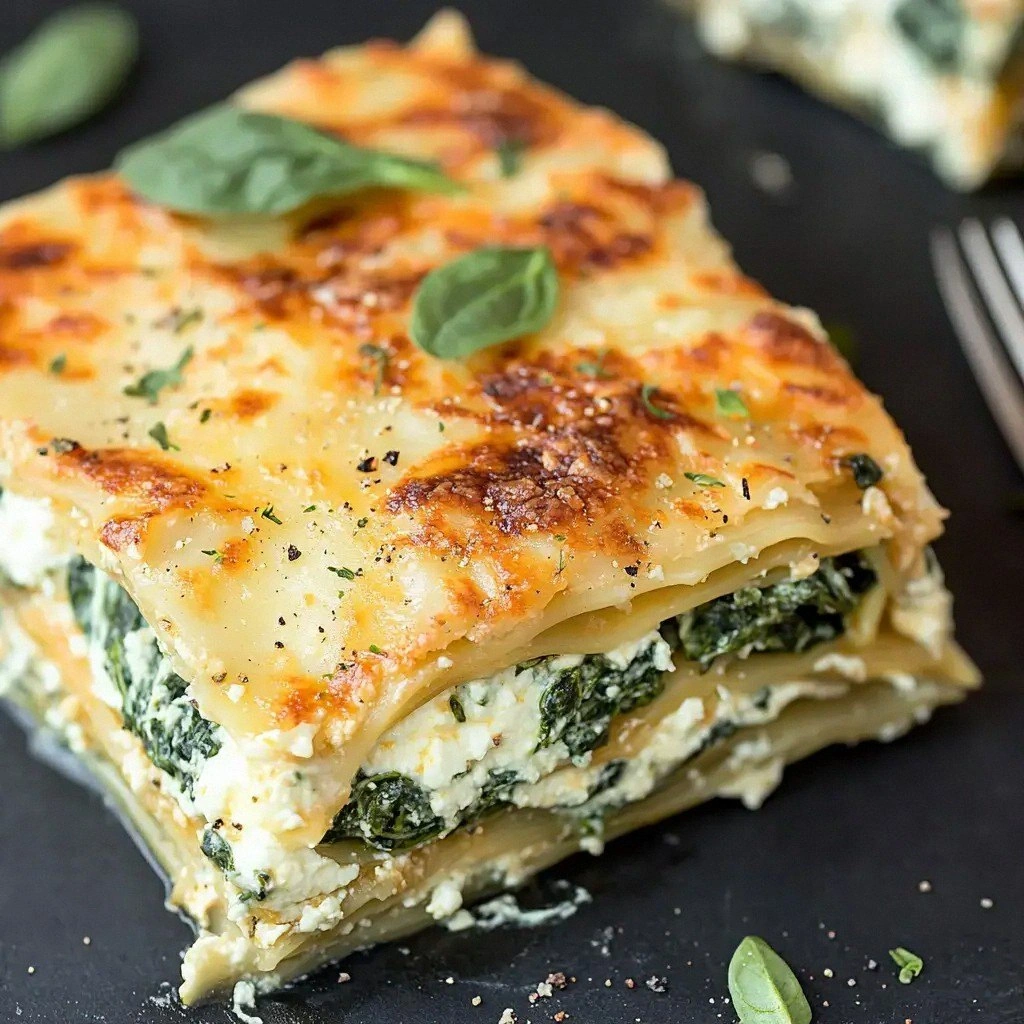
I’ve spent years perfecting comfort food, and every time I crack open a box of lasagna sheets, I remember that first disastrous attempt when the sauce leaked out like a waterfall and the noodles turned into a soggy, unappetizing mess. The lesson? Layering and timing are everything. That night, I added a splash of béchamel to seal the layers, tossed in fresh spinach for a burst of green, and folded in ricotta, mozzarella, and parmesan until the cheese melted into a silky, golden blanket. The result was a lasagna that sat perfectly on the plate, the crust crisp and the interior moist, with a flavor profile that danced on the palate like a well‑tuned orchestra.
What makes this version stand out is not just the ingredients but the technique. I used a mix of fresh and dried herbs to create depth, I pre‑cooked the spinach to release its moisture, and I layered the noodles just shy of fully cooked to avoid that dreaded rubbery texture. I also added a subtle hint of nutmeg in the béchamel, which you won’t expect but will love. I dare you to taste this and not go back for seconds – because once you’ve had it, you’ll never settle for a mediocre lasagna again.
Now, let’s dive into every single step of this culinary journey. By the end, you’ll wonder how you ever made lasagna any other way. The journey will be filled with witty commentary, practical hacks, and a few kitchen fails that will make you laugh and learn. Get ready for the ultimate lasagna experience.
What Makes This Version Stand Out
- Layering Precision: Each sheet is pre‑boiled to al dente, ensuring the final bake delivers a tender yet firm bite. This eliminates the soggy, mushy layers that plague most homemade lasagnas.
- Cheese Harmony: A blend of ricotta, mozzarella, and parmesan creates a creamy, melty center with a slight nutty finish. The cheeses melt together like a well‑orchestrated choir.
- Spinach Freshness: Fresh spinach is sautéed with garlic and olive oil before layering, releasing its moisture and adding a vibrant, earthy flavor that cuts through the richness.
- Herb Layer: A combination of dried basil, oregano, and fresh basil infuses the sauce with depth, while a whisper of nutmeg in the béchamel adds an unexpected warmth.
- Time‑Efficient: The entire process, from prep to bake, takes less than an hour, making it a perfect weeknight dinner without sacrificing flavor.
- Make‑Ahead Friendly: Once assembled, the lasagna can be refrigerated for up to 48 hours or frozen for up to two months, allowing you to serve it on demand.
- Kid‑Friendly: The mild flavors and cheesy texture make it a hit with children, while the sophisticated herb blend satisfies the adult palate.
- Health Conscious: By using fresh spinach and limiting added oils, this lasagna delivers a balanced mix of protein, fiber, and vitamins without compromising on indulgence.
Alright, let’s break down exactly what goes into this masterpiece…
Inside the Ingredient List
The Flavor Base
The sauce is the heart of the dish, and I’ve chosen a robust marinara that’s both tangy and sweet. Start with a 24‑ounce jar of high‑quality marinara sauce, which brings depth and a natural sweetness that balances the savory cheeses. If you’re feeling adventurous, replace half the jar with a homemade tomato sauce made from crushed San Marzano tomatoes, a splash of red wine, and a pinch of sugar to mellow the acidity.
Add a handful of chopped fresh basil and a teaspoon of dried oregano for herbaceous brightness. The basil’s citrusy notes lift the sauce, while oregano provides a subtle earthiness. If you don’t have fresh basil, a teaspoon of dried works, but fresh is always better for a vibrant flavor. Remember, the sauce should simmer for at least 20 minutes to allow the flavors to meld; the longer it cooks, the richer it becomes.
The Texture Crew
The noodles are the foundation, but their texture can make or break the lasagna. I use no‑boil lasagna sheets for convenience, but if you prefer the traditional method, boil 12 sheets to al dente, then rinse under cold water. This stops the cooking process and prevents them from becoming mushy during baking. The sheets should be flexible enough to fold but sturdy enough to hold the sauce without tearing.
The cheeses are the star players. Ricotta provides a silky, creamy base that holds the layers together. Mozzarella offers a gooey, stretchy melt, while grated Parmesan adds a sharp, nutty finish. For a richer flavor, use part‑skim ricotta and a blend of whole‑milk mozzarella. If you’re lactose intolerant, substitute with a plant‑based ricotta and mozzarella.
The Unexpected Star
Spinach is the unexpected hero in this lasagna, bringing color, nutrition, and a subtle earthiness that balances the richness of the cheeses. Sauté 4 cups of fresh spinach with 1 minced garlic clove and 2 tablespoons of olive oil until wilted. The heat releases the spinach’s moisture, preventing excess liquid in the final bake. If you’re using frozen spinach, thaw, squeeze out the water, and sauté just like fresh.
I’ve also added a splash of nutmeg to the béchamel, which may surprise you but adds a warm, slightly sweet undertone that complements the tomato sauce. A pinch is all you need; too much and you’ll overpower the dish. This subtle twist is what sets this lasagna apart from the ordinary.
The Final Flourish
Béchamel is the silky sauce that ties everything together. Combine 2 cups of milk, 2 tablespoons of butter, 2 tablespoons of flour, and a pinch of nutmeg. Cook over medium heat, whisking constantly until thickened. Once the béchamel is smooth, add 1 cup of grated Parmesan and stir until melted. This béchamel adds creaminess without extra cheese, balancing the flavors beautifully.
Finally, sprinkle fresh parsley and a drizzle of olive oil over the top before baking. The parsley adds a fresh, peppery note, while the oil gives the crust a glossy, golden finish. This finishing touch elevates the lasagna from good to unforgettable.
Everything's prepped? Good. Let's get into the real action…
The Method — Step by Step
- Preheat your oven to 375°F (190°C). While the oven is heating, assemble the sauce: combine the marinara, fresh basil, and oregano in a medium saucepan. Bring to a gentle simmer and let it cook for 20 minutes, stirring occasionally. This slow simmer allows the flavors to mingle and the sauce to thicken slightly. I’ve found that a thicker sauce makes a more robust lasagna.
- In a separate pan, heat 2 tablespoons of olive oil over medium heat. Add the minced garlic and sauté until fragrant, about 30 seconds. Add the spinach and cook until wilted, then remove from heat. Let the spinach cool slightly before adding it to the lasagna layers; this prevents excess liquid from seeping into the pasta.
- Prepare the béchamel sauce: melt 2 tablespoons of butter in a saucepan, whisk in 2 tablespoons of flour, and cook for 1 minute to eliminate raw flour taste. Gradually pour in 2 cups of milk while whisking continuously until the sauce thickens. Remove from heat, stir in 1 cup of grated Parmesan, and season with a pinch of nutmeg and salt to taste. This béchamel will be spread between the layers, adding creaminess and binding the ingredients.
- Grease a 9x13-inch baking dish with a light coating of olive oil. Spread a thin layer of marinara sauce on the bottom to prevent sticking. Then lay down the first layer of lasagna sheets, slightly overlapping them. This first layer is critical for structural integrity; it should be flat and even.
- Spread a generous spoonful of ricotta over the noodles, then drizzle a little marinara sauce. Add a handful of sautéed spinach, then sprinkle a layer of shredded mozzarella. Finish with a sprinkle of grated Parmesan. This combination creates a balanced flavor profile and a creamy texture.
- Repeat the layering process two more times, ensuring each layer has ricotta, spinach, mozzarella, and Parmesan. The final layer should be noodles topped with marinara, mozzarella, and a final dusting of Parmesan. The top layer is where the cheese will melt into a golden, bubbly crust.
- Cover the dish with aluminum foil, tucking the edges to seal in moisture. Bake for 25 minutes, then remove the foil to allow the top to brown. Bake an additional 10-15 minutes until the cheese is bubbly and the edges are slightly crispy. The foil prevents the top from burning while the layers cook evenly.
- Let the lasagna rest for 10 minutes before slicing. Resting allows the layers to set, making it easier to cut clean slices. It also lets the flavors meld together, creating a cohesive taste experience. If you’re in a hurry, you can serve immediately, but the rest is worth the wait.
That's it — you did it. But hold on, I've got a few more tricks that'll take this to another level…
Insider Tricks for Flawless Results
The Temperature Rule Nobody Follows
Many cooks set their oven to 350°F, but this recipe thrives at 375°F. The slightly higher temperature ensures the cheese melts uniformly and the crust develops a golden, slightly crispy edge. If you’re using a convection oven, reduce the temperature by 25°F to avoid over‑browning.
Why Your Nose Knows Best
Before you finish baking, open the oven door briefly and inhale the aroma. A rich, tomato‑herb scent indicates the sauce is perfectly cooked. If it still smells raw, give it a few more minutes; if it’s too strong, you’ve over‑cooked it. Your nose is a reliable guide.
The 5-Minute Rest That Changes Everything
Resting the lasagna for exactly 10 minutes after baking allows the internal heat to distribute evenly. This prevents a runny center and makes slicing clean and precise. Trust me, a rushed slice will result in a sticky mess.
Layering the Béchamel Right
Spread the béchamel thinly between layers instead of thickly. A thin coat keeps the noodles from becoming soggy and adds a velvety texture that contrasts with the crunchy crust. If you’re using a béchamel with a high fat content, you’ll need to be even more conservative.
The Fresh Spinach Trick
If you’re using fresh spinach, sauté it until it’s almost fully wilted, then let it cool. This reduces excess moisture, which can otherwise turn the lasagna watery. A quick squeeze of the spinach before layering can also help remove any lingering liquid.
The Secret to a Crispy Top
After the final bake, let the lasagna rest for a few minutes before slicing. This allows the top crust to firm up, giving you a crisp bite. If you prefer an extra crispy top, finish under the broiler for 1-2 minutes, watching closely to prevent burning.
Creative Twists and Variations
This recipe is a playground. Here are some of my favorite ways to switch things up:
Mushroom Medley Edition
Replace the spinach with sautéed mushrooms (cremini, shiitake, or button). The earthy flavor pairs beautifully with the tomato sauce and cheese. Add a splash of white wine while sautéing for extra depth.
Pesto Powerhouse
Swap half of the marinara for a vibrant basil pesto. This creates a layered flavor profile with a fresh, herby kick. Use the pesto to spread between the noodles for a burst of green.
Ricotta‑Raspberry Surprise
For a sweet twist, fold in a handful of fresh raspberries into the ricotta layer. The berries add a tart contrast to the savory cheeses and make this lasagna a showstopper at brunch.
Smoky Chipotle Touch
Add a teaspoon of chipotle powder to the marinara for a subtle smoky heat. The chipotle’s mild heat pairs well with the mild cheeses, creating a balanced yet intriguing flavor.
Cauliflower Crust Option
For a low‑carb version, replace the lasagna sheets with thinly sliced cauliflower florets. Roast them first until slightly golden, then layer with sauce and cheese. The cauliflower adds a mild, nutty flavor that complements the tomato sauce.
Cheese‑Only Delight
If you’re a cheese lover, skip the spinach entirely and layer only ricotta, mozzarella, and Parmesan. Add a drizzle of truffle oil on top before baking for an indulgent, decadent treat.
Storing and Bringing It Back to Life
Fridge Storage
Cool the lasagna to room temperature, then cover tightly with foil or a lid. Store in the refrigerator for up to 48 hours. When ready to serve, reheat in a 350°F oven for 15-20 minutes, or microwave on medium for 3-4 minutes, covering with a damp paper towel.
Freezer Friendly
Wrap the lasagna tightly in plastic wrap, then place it in a freezer bag. Label with the date and freeze for up to 2 months. To reheat, thaw overnight in the fridge, then bake at 375°F for 30-35 minutes, or microwave on high for 5-6 minutes.
Best Reheating Method
The best way to revive a cold lasagna is to bake it at 375°F for 20 minutes. Add a splash of water or broth to the bottom of the baking dish before covering with foil; this steams the lasagna back to a moist, tender state. Finish with a few minutes under the broiler to restore the crispy top.