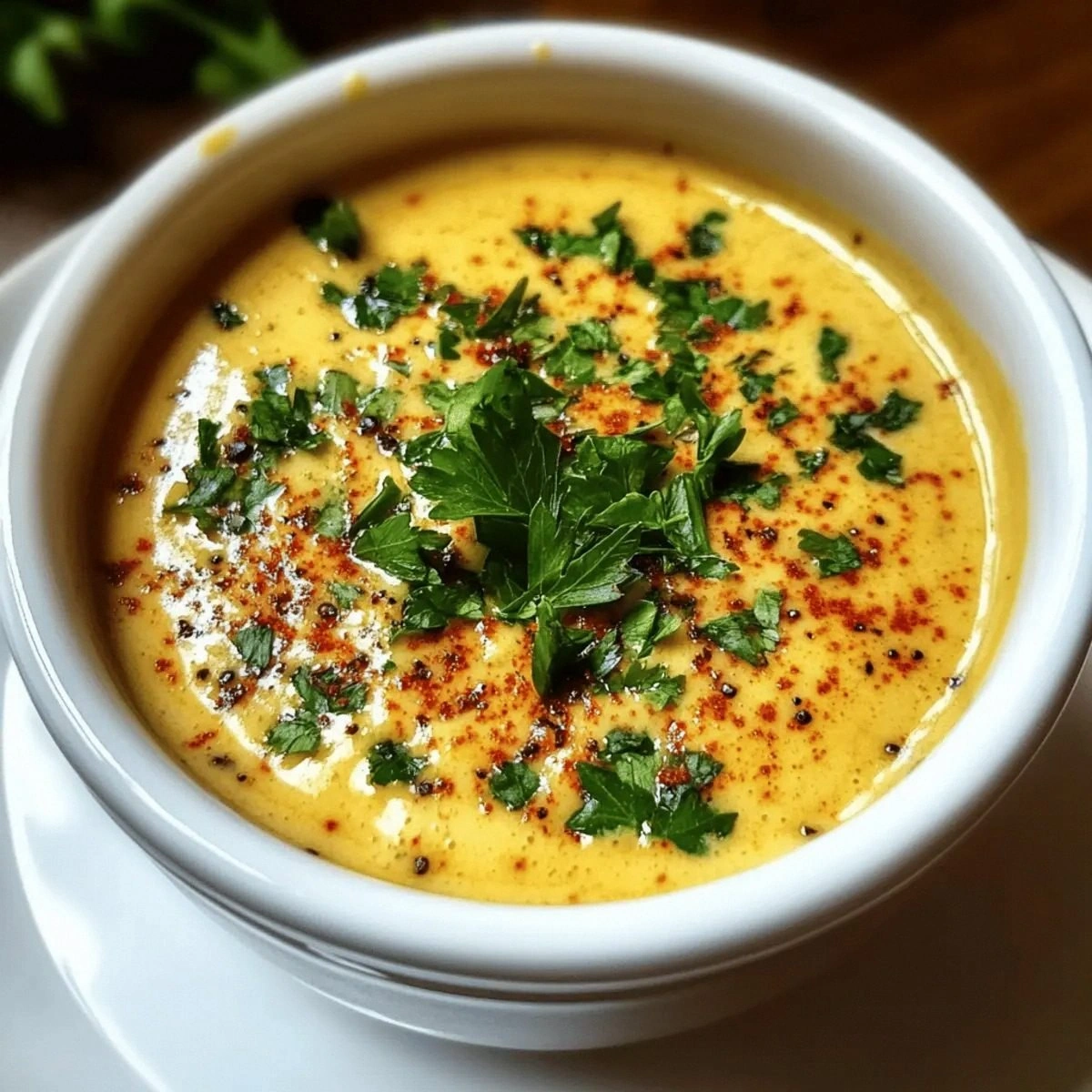
I still remember the moment this sauce changed my life. It was a rainy Tuesday night, my fridge held nothing but a sad chicken breast and some wilting greens, and I was ready to surrender to another boring dinner. Then I spotted that jar of Dijon mustard I'd bought on impulse, the honey bear lurking behind it, and a half-empty bottle of hot sauce. Ten minutes later, I was standing over the stove, tasting this golden elixir straight from the spoon, wondering why nobody had told me that salvation could come from such humble beginnings.
That first batch never even made it to the chicken. I stood there in my tiny kitchen, dipping crackers, then my finger, then just pouring it directly into my mouth like some kind of culinary maniac. The tangy Dijon hit first, sharp and sophisticated, then the honey slid in smooth and sweet, followed by the gentle heat that built like a summer storm. Worcestershire added that mysterious umami depth, while the smoked paprika whispered of campfires and cozy nights. I ate half the batch before I even remembered I had company coming over, and let me tell you — the spoon-licking shame was worth every second.
Here's the thing about this sauce: it's not just another condiment to clutter your fridge door. This is the little black dress of your kitchen arsenal, the secret weapon that transforms everything it touches. I've watched it turn rubbery leftover turkey into something that made my foodie friend weep with joy. I've seen it elevate a plain turkey sandwich to heights that would make a Parisian bistro jealous. And don't even get me started on what it does to roasted vegetables — those crispy edges become vehicles for pure magic.
Most recipes get this completely wrong. They either go too timid, creating some bland beige disappointment, or they assault your taste buds with heat so fierce you can't taste anything else. This version? It's got balance, baby. The kind of balance that makes you close your eyes involuntarily when you taste it. The kind that has you planning entire meals around a sauce. Picture yourself pulling this out of the fridge, the whole kitchen smelling incredible, knowing that whatever you put it on will become the star of the show. Okay, ready for the game-changer?
What Makes This Version Stand Out
Flavor Bomb: This isn't your grandma's honey mustard. The combination of sharp Dijon, sweet honey, and that sneaky cayenne creates a three-act play on your palate that keeps you coming back for more. Each taste reveals something new — first the sophisticated bite of premium mustard, then the comfort of honey, finishing with a warming heat that makes your lips tingle pleasantly.
Texture Perfection: We're talking silk-smooth consistency that clings to every ridge of your food without being gloppy or runny. It coats pasta like velvet, drizzles over proteins like liquid gold, and stays put on sandwiches without making the bread soggy. The viscosity is so precisely calibrated that you'll want to bottle it and sell it.
Five-Minute Wonder: From cupboard to table in under five minutes with zero cooking required. No chopping, no simmering, no watching pots. Just whisk, taste, and transform your meal. I dare you to find another sauce this sophisticated that comes together faster than you can boil an egg.
Pantry Staple Magic: Every single ingredient lives happily in your kitchen already, waiting for their moment to shine. No specialty shops, no hunting for exotic ingredients you'll use once. These are the reliable friends who always show up when you need them most.
Crowd Confusion: People will ask for your secret. They'll assume you spent hours reducing, infusing, and fussing. The looks on their faces when you confess it took longer to find the whisk than make the sauce? Priceless. I've seen dinner guests try to discreetly take photos of their plates.
Make-Ahead Champion: This sauce actually improves with age. Make it Sunday, and by Wednesday the flavors have married into something even more magnificent. It keeps for two weeks (though it never lasts that long), making meal prep feel like having a personal chef on standby.
Endless Versatility: Sandwich spread, salad dressing base, marinade, dip, finishing sauce — this does it all. I've used it as a pizza base, mixed it into deviled eggs, and yes, eaten it straight from the jar during late-night fridge raids. It's the little black dress of condiments.
Inside the Ingredient List
The Flavor Foundation
Dijon mustard isn't just any mustard — it's the sophisticated cousin who studied abroad and came back with refined tastes and worldly knowledge. That smooth, complex heat provides the backbone that carries every other flavor. Skip the cheap yellow stuff here; we're building a cathedral, not a shack. The wine undertones in good Dijon create layers of flavor that plain mustard can't touch. I've tried this with bargain mustard, and it falls flat like a joke without a punchline, leaving you wondering what went wrong.
Honey is your peacemaker, the ingredient that smooths rough edges and brings everyone together in sweet harmony. It tames the mustard's bite without making things cloyingly sweet. The floral notes add dimension, while the viscosity helps create that perfect coating texture. Raw, wildflower honey will give you the most complex flavor, but honestly, whatever's in your cupboard works beautifully. Just avoid the super-processed bear-shaped stuff if you can — it tends to be mostly corn syrup anyway.
The Depth Enhancers
Apple cider vinegar brings brightness and cuts through richness like a squeeze of lemon on fresh oysters. It's the wake-up call that keeps the sauce from becoming too heavy or one-dimensional. The fruity acidity complements both the honey and mustard perfectly, creating a balanced triangle of flavor. Don't substitute white vinegar here — it's too harsh and will make your sauce taste like a science experiment gone wrong. The good stuff with the mother still in it adds subtle complexity that'll have people asking what your secret ingredient is.
Worcestershire sauce is the ninja of the ingredient world — you barely know it's there, but remove it and everything falls apart. That anchovy-based umami bomb adds incredible depth and mysterious savory notes that make people ask if you reduced this for hours. It's the difference between a sauce that tastes good and one that tastes like it has stories to tell. Even vegetarians in my life don't mind the tiny amount here, but if you must, soy sauce with a dash of miso works as a substitute.
The Heat and Heart
Cayenne pepper is where the magic happens, but it's also where things can go sideways fast. A quarter teaspoon gives you that gentle warming sensation that builds slowly, like sitting near a fireplace. Too much and you're in ghost pepper territory, crying into your delicious sauce. The key is restraint — you want people to taste everything else first, then notice the heat as an pleasant afterthought. Fresh cayenne has the best flavor, but the ground stuff works perfectly as long as it's not been sitting in your spice rack since the Clinton administration.
Smoked paprika adds that campfire quality that makes everything taste like it was kissed by fire. It's the difference between a sauce that's bright and one that's got soul. The Spanish variety has the deepest, most authentic smoke flavor, but Hungarian works in a pinch. This isn't just about heat — it's about adding that whisper of outdoor cooking that makes people think you've been tending a smoker all day. Regular paprika will work, but you'll miss that haunting smoky quality that makes this sauce special.
The Supporting Cast
Garlic and onion powders are the reliable supporting actors who never demand the spotlight but always deliver their lines perfectly. They add that savory backbone that makes the sauce taste complete and rounded. Fresh garlic would be too sharp here, fighting with the mustard's complexity. These powders meld seamlessly, adding depth without distraction. If you're out of one, double the other — they're best friends who can cover for each other in a pinch.
Salt and pepper seem basic, but they're the difference between a sauce that tastes flat and one that sings. Add them at the end, after everything else is combined, because the Worcestershire and soy sauce bring plenty of salt to the party. Freshly ground pepper makes a noticeable difference here — the pre-ground stuff tastes like sawdust in comparison. Taste and adjust — your sauce should make your taste buds perk up with interest, not scream for water.
Fresh parsley at the end isn't just for color — it adds a bright, herbaceous note that lightens the whole sauce. Chop it finely so it distributes evenly, and add it right before serving for maximum impact. Other fresh herbs work too: chives for a milder onion flavor, cilantro for a Southwestern twist, or tarragon for a French bistro vibe. Dried herbs won't work here — they'll taste like hay and ruin your beautiful sauce.
The Method — Step by Step
-
Start with your best medium bowl — one that gives you room to whisk without making a Jackson Pollock on your counter. Add the Dijon mustard first, letting it slide from the measuring cup like golden lava. This isn't just about measuring; it's about respecting your star ingredient. The bowl should be wide enough for vigorous whisking but deep enough to prevent splatter. I learned this the hard way after wearing sauce to more dinner parties than I care to admit.
Now, and this is crucial, let the mustard come to room temperature if it's been living in the fridge. Cold mustard doesn't play nice with honey — they need to meet as equals. While you're waiting, gather everything else like you're preparing for surgery. There's nothing worse than realizing you're out of Worcestershire halfway through making this sauce, especially when hungry guests are circling like sharks.
-
Drizzle in the honey slowly, whisking constantly as if you're making the world's easiest emulsion. Watch how the mustard grabs onto the honey, creating ribbons of sweet and sharp that dance together. The honey should incorporate completely before you move on — no streaks, no pockets of sweetness. This is where patience pays off; rushed mixing leaves you with a sauce that tastes like two separate condiments having an argument.
The type of whisk matters here. A balloon whisk works best, creating enough agitation to combine without overworking the mixture. If all you have is a fork, use it like you mean it — fast, confident strokes that would make a French chef nod approvingly. The mixture should lighten slightly in color as the honey incorporates, becoming glossy and luxurious.
-
Add the apple cider vinegar in a slow stream while whisking like your life depends on it. This is the moment of truth — the sauce will thin out and seem like it's breaking, but keep going. The acid needs to fully incorporate to create that perfect balance. You'll feel the texture change as the vinegar lifts the heaviness of the mustard and honey, creating something that moves like liquid silk.
Don't panic if it looks too thin at this stage. The vinegar loosens everything up so the flavors can meld properly. It should coat the back of a spoon but still flow like heavy cream. If it's thicker than molasses, your mustard was too old and proud. Add a splash more vinegar to loosen it up, but taste as you go — you can always add more, but you can't take it out.
-
Now comes the Worcestershire sauce — add it slowly and watch the color deepen to something that looks expensive and complex. This is where the sauce gains its mysterious quality, that something-special that keeps people guessing. The dark liquid should disappear into the golden base, leaving behind only its savory essence. Whisk until completely incorporated, scraping the sides of the bowl to ensure nothing hides from the party.
The smell should hit you about now — that anchovy-garlic-vinegar combination that makes your mouth water involuntarily. If it doesn't smell like you want to dive in face-first, something's wrong. Maybe your Worcestershire has gone flat, or maybe you need to add a touch more. Trust your nose here — it knows what it wants.
-
Add the soy sauce next, treating it like liquid seasoning salt that brings everything into focus. It should disappear completely into the sauce, leaving behind only its umami goodness. The color will deepen further, becoming this gorgeous mahogany gold that looks like it took hours to develop. Whisk thoroughly — any pockets of soy will create salty bombs that throw off the balance.
Low-sodium soy sauce works best here, giving you control over the final salt level. Regular soy can make the sauce too salty once everything else comes together. If all you have is the full-strength stuff, start with half the amount and adjust at the end. You want savory depth, not a salt lick.
-
Time for the spice symphony. Add the cayenne, smoked paprika, garlic powder, and onion powder all at once. Don't dump them in a pile — distribute them across the surface like you're seasoning a steak. This prevents clumps that refuse to break up no matter how much you whisk. The colors should create a beautiful mottled pattern before you start mixing, like a spice-painted canvas.
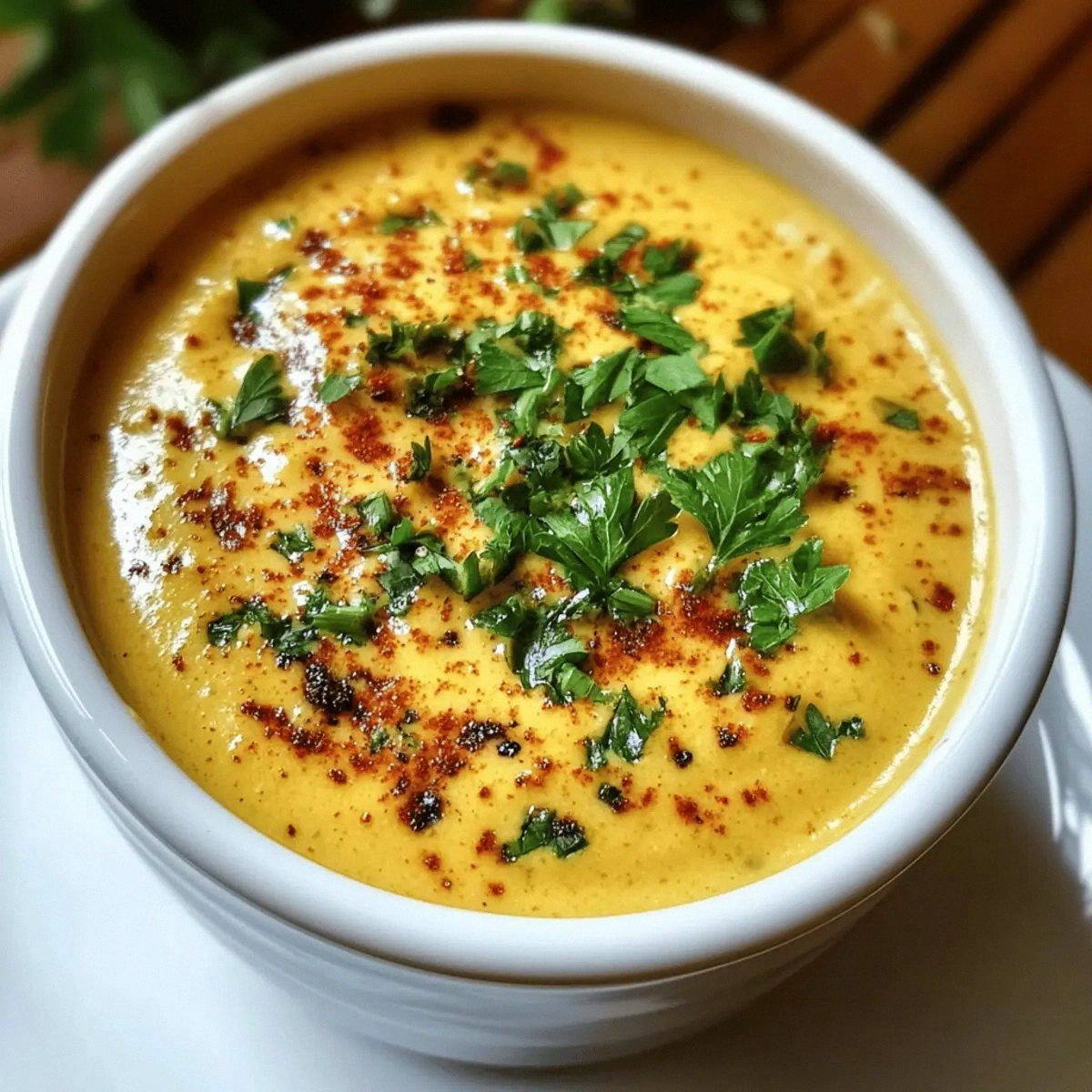
Whisk with purpose now, creating a vortex that pulls everything together. The sauce will thicken slightly as the dry ingredients hydrate, becoming more cohesive and luxurious. Take a moment to appreciate how the smoked paprika creates little orange flecks throughout — these are flavor bombs waiting to happen. Keep whisking until no streaks remain and the color is uniform.
-
Season with salt and pepper, but here's the thing — taste first. The Worcestershire and soy have already added significant salt, so you might not need any. Add a few grinds of fresh pepper, whisk, then taste. The sauce should make your tongue sit up and pay attention, not curl up and hide. It should be bright, complex, slightly sweet, with a gentle heat that builds slowly.
If it tastes flat, add a tiny pinch of salt — just enough to wake everything up. If it's too sharp, a touch more honey will smooth things out. Too sweet? Another splash of vinegar brightens it right up. This is where you become the artist, adjusting until it sings to you. I always make myself taste it three times, with a cracker in between, to be sure I'm getting the full picture.
-
Finally, and this is crucial, let it rest for at least five minutes before serving. This isn't just about being patient — it's about letting the flavors meld and marry into something greater than the sum of their parts. During this time, the garlic and onion powders hydrate fully, the heat distributes evenly, and everything becomes cohesive. Stir in the fresh parsley right before serving for maximum brightness.
Those five minutes are perfect for prepping whatever you're putting this on — toasting bread, arranging a cheese board, or just finding the right serving spoon. The sauce will thicken slightly as it rests, becoming the perfect consistency for whatever delicious mission you have planned. And now the fun part...
That's it — you did it. But hold on, I've got a few more tricks that'll take this to another level...
Insider Tricks for Flawless Results
The Temperature Rule Nobody Follows
Room temperature ingredients aren't just a suggestion — they're the difference between a sauce that comes together like silk and one that fights you every step of the way. Cold honey is thick and stubborn, refusing to blend smoothly with the mustard. Cold vinegar shocks the mixture, preventing proper emulsification. Let everything sit on the counter for twenty minutes before you start, and you'll wonder why you ever rushed this process.
I learned this lesson during a dinner party disaster when my sauce looked like a curdled mess. The honey sat in hard lumps while the vinegar pooled separately, creating a broken, unappetizing disaster. My guests were arriving in ten minutes, and there I was with a bowl of something that looked like it had already been eaten once. Now I plan ahead, pulling everything out when I start prepping dinner, so by the time I'm ready for sauce magic, everything's perfectly tempered.
Why Your Nose Knows Best
Your sense of smell is your secret weapon here, more reliable than any recipe or timing. When the sauce is perfectly balanced, it should smell like you want to dive in face-first. It should make your mouth water immediately, creating that involuntary response that says "this is going to be incredible." If you don't get that reaction, something's off — maybe too much vinegar, not enough honey, or spices that have lost their punch.
A friend tried making this with ancient spices from her grandmother's cabinet — we're talking paprika that predated the internet. The sauce tasted flat and oddly musty, nothing like the vibrant condiment she'd tasted at my house. We started over with fresh spices, and suddenly the kitchen filled with that intoxicating aroma that makes everyone ask what you're cooking. Trust your nose — it knows when something's going to be delicious.
The 5-Minute Rest That Changes Everything
Patience isn't just a virtue — it's the secret ingredient that transforms good sauce into legendary sauce. Those five minutes of rest time allow the flavors to meld and marry, creating complexity that tastes like it took hours to develop. The garlic and onion powders hydrate fully, eliminating any powdery texture. The heat from the cayenne distributes evenly, preventing hot spots that could ambush unsus tongues.
I used to skip this step, impatient to taste my creation, and wondered why my sauce tasted disjointed and raw. Then I got distracted by a phone call one day, came back five minutes later, and discovered the sauce had transformed into something extraordinary. The harsh edges had softened, the flavors had integrated, and everything tasted cohesive and professional. Now I build this rest time into my process, using it to plate everything else perfectly.
The Storage Secret That Doubles Flavor
Store this sauce in the smallest container that fits it comfortably. Too much air exposure dulls the flavors faster than you can say "leftovers." A mason jar filled to the top, a squeeze bottle with minimal headspace, or even a repurposed mustard jar works perfectly. The less air, the longer your sauce maintains that fresh, vibrant flavor that makes it special.
But here's the real secret: make it the day before you need it. This sauce reaches its peak flavor after 24 hours in the fridge, when everything has melded into perfect harmony. The transformation is remarkable — what tasted good yesterday becomes absolutely transcendent today. I always make a double batch, using some immediately and saving the rest for the next day when the flavors have deepened and married into something even more spectacular.
The Consistency Fix That Never Fails
If your sauce is too thick, don't just add water — add brightness. A splash of vinegar or lemon juice thins it while adding complexity. Too thin? A teaspoon of mustard whisked in will tighten it right up without affecting the flavor balance. The goal is a sauce that coats a spoon but still flows like liquid gold, not wallpaper paste or watery disappointment.
Room temperature affects consistency more than you'd think. On hot summer days, your sauce might loosen up significantly. Don't panic — just whisk in a bit more mustard or pop it in the fridge for ten minutes. Cold weather makes it thicker, so let it sit at room temperature before serving. This adaptability is what makes it perfect year-round, adjusting to whatever your kitchen throws at it.
Creative Twists and Variations
This recipe is a playground. Here are some of my favorite ways to switch things up:
The Mediterranean Vacation
Replace the honey with fig jam and swap the apple cider vinegar for balsamic. Add a teaspoon of herbes de Provence and use fresh oregano instead of parsley. This version tastes like summer in Provence, perfect for drizzling over grilled vegetables or using as a sophisticated dip for crusty bread. The fig adds jammy sweetness while the balsamic brings deep, complex acidity that makes everything taste expensive and intentional.
The Southern Heat
Double the cayenne, swap the smoked paprika for chipotle powder, and add a tablespoon of your favorite hot sauce. Replace the parsley with chopped scallions and a squeeze of lime. This version brings serious heat with a smoky backbone that makes fried chicken sing and transforms grilled corn into a revelation. It's the sauce that makes people sweat in the most delightful way, building heat that lingers pleasantly without overwhelming.
The Asian Fusion
Replace the honey with brown sugar, swap the Worcestershire for fish sauce (use half the amount), and add a teaspoon of sesame oil. Use rice vinegar instead of apple cider, and finish with cilantro and a sprinkle of toasted sesame seeds. This version creates an incredible glaze for salmon or chicken wings, with that umami depth that makes people close their eyes involuntarily when they taste it.
The Sweet Heat
Add two extra tablespoons of honey and a pinch of cinnamon, then triple the cayenne. This creates the perfect balance of sweet and heat that makes an incredible dipping sauce for chicken tenders or drizzled over grilled peaches. The cinnamon adds warmth without being obvious, creating layers of flavor that keep people guessing. Kids love the sweetness, adults appreciate the complexity, and everyone fights over the last drop.
The Herb Garden
Keep everything the same but add two tablespoons each of chopped fresh dill and chives, plus a teaspoon of fresh thyme. This green-flecked version tastes like spring and makes incredible deviled eggs or potato salad. The fresh herbs lighten the sauce considerably, making it perfect for warm weather when you want something bright and refreshing. It keeps for less time due to the fresh herbs, but it's so delicious it rarely lasts more than a few days anyway.
The Decadent Luxury
Add two tablespoons of crème fraîche and replace the honey with truffle honey if you can find it. Use white balsamic vinegar for a more delicate acidity, and finish with fresh chervil. This version costs more to make but tastes like it belongs on a Michelin-starred menu. It's incredible with steak, transforms roasted potatoes into something extraordinary, and makes the most decadent sandwich spread you've ever tasted. Save this one for special occasions when you want to impress.
Storing and Bringing It Back to Life
Fridge Storage
Store your sauce in an airtight container in the refrigerator for up to two weeks, though honestly, mine never lasts more than a few days before it's devoured. The acid from the vinegar helps preserve it, while the honey acts as a natural preservative. Use a glass jar if possible — plastic can absorb strong flavors and transfer them back to your sauce. Always use a clean spoon when serving to prevent introducing bacteria that could shorten its life.
The sauce will separate as it sits — this is completely normal and actually a sign that you made it right. Just give it a good shake or whisk before using. If it thickens too much in the fridge, let it sit at room temperature for ten minutes before serving. The flavors actually improve after a day or two as everything melds together, so making it ahead is always a winning strategy.
Freezer Friendly
While this sauce is best fresh, you can freeze it in ice cube trays for up to three months. Each cube is about two tablespoons — perfect for single servings or quick weeknight meals. Once frozen, pop the cubes into a freezer bag and thaw what you need. The texture might be slightly different after freezing, but a quick whisk brings it right back to life. Never freeze it in large batches — the texture suffers and you'll end up with a separated mess that's impossible to fix.
Pro tip: freeze it in small silicone ice cube trays, then transfer to a labeled freezer bag with the date. These frozen portions thaw quickly at room temperature or in the fridge overnight. They're perfect for packing in lunches — just grab a cube and by lunchtime it's ready to transform your sad desk sandwich into something worth Instagramming.
Best Reheating Method
The good news? This sauce doesn't need reheating — it's meant to be served at room temperature or slightly chilled. If you've frozen portions, let them thaw in the refrigerator overnight, then whisk vigorously to reincorporate. If it's separated, a quick whisk brings it right back together. Never microwave it — the heat will break the emulsion and leave you with an oily mess that no amount of whisking can fix.
If your sauce has been in the fridge and seems too thick, let it warm up for ten minutes at room temperature, then whisk in a tiny splash of water or vinegar. Start with just a teaspoon — you can always add more, but you can't take it out. The goal is to return it to that perfect consistency that coats without being gloppy, flows without being watery. With proper storage and a little love, your sauce will taste as fresh on day ten as it did on day one.