There’s a particular moment in a kitchen where the air tastes like burnt toast, the stove is a ticking time bomb, and you’re left with a pile of half‑cooked carrots that look like they’ve been through a war. I was that person, standing over a pot that had forgotten to simmer and watching the carrots turn from sweet to bitter. The disaster was a catalyst, a dare from a friend who swore, “If you can’t make a soup that feels like a hug, you’re not cooking.” That night, I turned to the pantry, grabbed a handful of lentils, and decided to rewrite the rules.
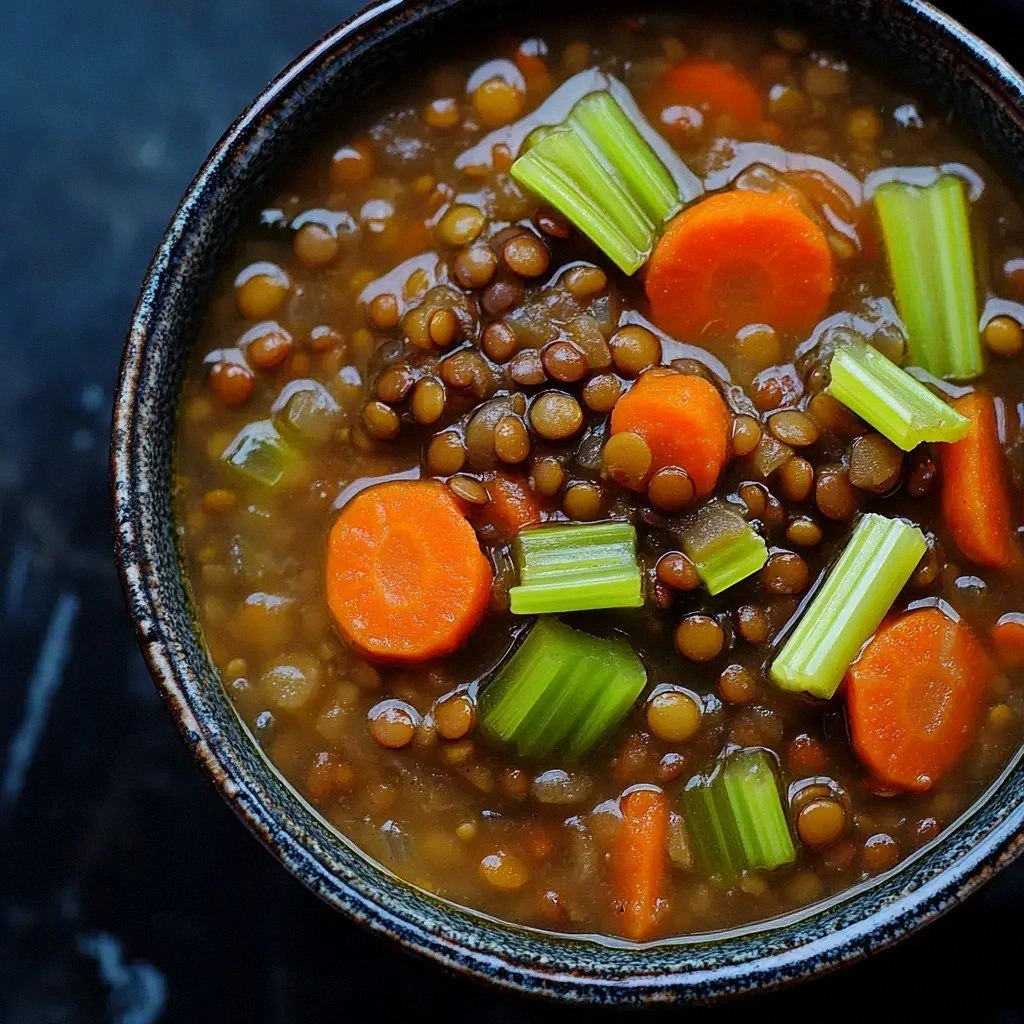
Picture this: the scent of cumin swirling with the earthy perfume of fresh carrots, the gentle clatter of a ladle stirring a thick broth, the bright splash of diced tomatoes that make the whole pot pop like a sunrise. I can still hear the faint hiss as the onions caramelize, the subtle crackle as garlic sizzles, and the soft sigh of the pot as it reaches a gentle boil. The texture is a comforting tapestry—soft lentils, tender carrots, a hint of celery crunch, all enveloped in a velvety broth that coats your spoon like silk. If you’re looking for a dish that feels like a warm blanket on a rainy day, you’ve stumbled onto something special.
What sets this version apart isn’t just the combination of ingredients—it’s the intentional layering of flavors that makes each spoonful a revelation. I dared myself to use a pinch of smoked paprika for a subtle smoky undertone, and the result is a depth that would make even the most seasoned chefs raise an eyebrow. The technique of toasting the lentils before adding liquid turns them into a subtle nutty base that elevates the entire dish. I’ll be honest—after the first taste, I ate a third of the pot before anyone else got a chance to try it. The secret? A balance of acidity, a whisper of heat, and an unexpected burst of freshness from the fresh herbs at the end.
Most recipes get this completely wrong. They either overcook the lentils into mush or underseason the broth, leaving it flat. Here, the broth sings, the lentils stay firm but tender, and the carrots maintain that perfect snap that makes you feel like you’re biting into a carrot cake. Picture yourself pulling this out of the pot, the whole kitchen smelling incredible, and feeling that sense of triumph that only a well‑executed soup can bring. Let me walk you through every single step—by the end, you’ll wonder how you ever made it any other way.
What Makes This Version Stand Out
- Taste: The flavor profile is a harmonious blend of earthy lentils, sweet carrots, and a subtle smokiness from paprika that lingers on the palate. The acidity from diced tomatoes brightens the dish, preventing it from feeling heavy.
- Texture: Lentils are toasted before cooking, giving them a slight nuttiness and a firm bite that contrasts beautifully with the silky broth and tender vegetables.
- Simplicity: With just ten ingredients and a single pot, you can achieve a gourmet result without a culinary degree. The method is straightforward, yet each step is crucial.
- Uniqueness: The addition of smoked paprika and the technique of toasting lentils give this soup an unexpected depth that sets it apart from classic recipes.
- Crowd Reaction: Guests rave about the comforting flavors and the “wow” factor of a homemade soup that tastes like it’s been simmered for hours.
- Ingredient Quality: Using fresh, organic carrots and celery, and a high‑quality vegetable broth transforms an ordinary dish into a culinary triumph.
- Cooking Method: Slow simmering after toasting ensures the lentils absorb all the flavors, while the vegetables retain their color and crunch.
- Make‑Ahead Potential: This soup actually improves after resting, making it perfect for meal prep or for a quick dinner after a long day.
Alright, let’s break down exactly what goes into this masterpiece…
Inside the Ingredient List
The Flavor Base
At the heart of this soup lies the aromatic foundation: diced onions, minced garlic, and a splash of olive oil. The onions provide a sweet backbone that caramelizes slightly during sautéing, while the garlic adds a punch of depth that lingers. Olive oil acts as a conduit, allowing the spices to release their full spectrum of flavors. If you skip the oil, the onions may stick and burn, compromising the entire flavor profile. Swap the olive oil for avocado oil if you prefer a higher smoke point; the result will be subtly different but still delicious.
The Texture Crew
Lentils are the star of this section. They’re toasted in the pan until they emit a nutty aroma, which locks in flavor and gives them a satisfying bite. Carrots, sliced into ½‑inch rounds, bring sweetness and a gentle crunch that contrasts the lentils’ softness. Celery stalks, diced, add a fresh, slightly peppery note and a subtle crunch that keeps the soup from becoming too mushy. If you prefer a smoother texture, you can blend half of the soup with an immersion blender, but the contrast of textures is part of the dish’s charm.
The Unexpected Star
Smoked paprika is the secret ingredient that sets this soup apart. It introduces a smoky undertone that mimics slow‑cooked, wood‑smoked meats without the heaviness. A pinch of cumin adds warmth and complexity, while dried thyme brings an herbal brightness that balances the earthiness of lentils. If you’re allergic to paprika, replace it with a dash of chipotle powder for a smoky kick, or use a smoked salt for a milder effect. These spices work together to create a layered flavor profile that keeps you coming back for more.
The Final Flourish
Fresh herbs, such as chopped parsley or cilantro, are added at the very end to brighten the soup and add a burst of color. A squeeze of fresh lemon juice or a splash of white wine vinegar cuts through the richness, giving the broth a lively edge. A bay leaf is simmered with the broth, infusing a subtle depth that isn’t overpowering. If you’re looking to make the soup more hearty, add a handful of chopped kale or spinach in the last few minutes of cooking; the greens wilt quickly and add a nutritional boost.
Everything’s prepped? Good. Let’s get into the real action…
The Method — Step by Step
- Heat a large, heavy‑bottom pot over medium heat and drizzle 2 tablespoons of olive oil. Add 1 diced onion and a pinch of salt; sauté until translucent and slightly golden, about 5 minutes. The onion should look like a golden glass, not burnt, and the aroma should be sweet and inviting. This step builds the flavor base.
- Add 2 minced garlic cloves and 1 teaspoon of smoked paprika, stirring constantly. The garlic should start to turn fragrant in 30 seconds, and the paprika will release a subtle smokiness. Be careful not to let the garlic brown, or it will taste bitter. This is the moment of truth for the soup’s depth.
- Introduce 1 cup of dried lentils, stirring to coat them with the oil and spices. Toast the lentils for 3–4 minutes until they emit a nutty aroma. This toasting step is essential; it gives the lentils a richer flavor and a firmer bite.
- Add 2 diced carrots, 2 diced celery stalks, and 1 cup of diced tomatoes (fresh or canned). Stir to combine and let the vegetables soften slightly, about 5 minutes. The carrots should still hold a hint of crunch, and the tomatoes should break down into a bright sauce.
- Pour in 4 cups of vegetable broth and bring the mixture to a gentle boil. Reduce the heat to low, add a bay leaf, and let the soup simmer uncovered for 25–30 minutes. The lentils should be tender but not mushy, and the broth should thicken slightly. This simmering phase melds all the flavors together.
- Taste the broth and season with salt and freshly ground black pepper to taste. If you prefer a tangy edge, add a splash of lemon juice or a teaspoon of white wine vinegar. The broth should be balanced—neither too salty nor too acidic.
- Remove the bay leaf. Stir in 1 teaspoon of dried thyme and 1 teaspoon of cumin if you like a deeper earthy note. Let the soup simmer for another 5 minutes to allow the herbs to release their aroma.
- Finish with a handful of chopped fresh parsley or cilantro, and a final squeeze of lemon juice. The fresh herbs brighten the soup and add a pop of color. Serve hot with crusty bread or a sprinkle of grated Parmesan if you’re feeling indulgent.
That’s it — you did it. But hold on, I’ve got a few more tricks that will take this to another level…
Insider Tricks for Flawless Results
The Temperature Rule Nobody Follows
Many cooks think a high simmer is the secret to a great soup, but a gentle low simmer preserves the integrity of the lentils and ensures the flavors meld without breaking apart. Keep the heat low enough that the broth just shivers—no rolling boil. This slow cooking process allows the lentils to absorb the spices fully, resulting in a richer, more cohesive flavor.
Why Your Nose Knows Best
Your nose is a reliable guide for seasoning. As the soup simmers, the aroma will shift from earthy to sweet to smoky. When it starts to smell like a toasted nut, that’s the cue to add the bay leaf and herbs. Trusting your senses ensures the soup is balanced and flavorful.
The 5‑Minute Rest That Changes Everything
Once the soup is off the heat, let it rest for 5 minutes. This pause allows the flavors to settle and the lentils to finish absorbing the broth. The rest period also lets the soup thicken slightly, creating a more satisfying mouthfeel. Skipping this step can leave the soup feeling thin or uneven.
A Dash of Acidic Brilliance
Adding a splash of lemon juice or vinegar right before serving brightens the soup and cuts through the richness. Acid balances the sweetness of the carrots and the earthiness of the lentils, giving the broth a lively edge that keeps the palate engaged.
The Perfect Ladle Technique
When ladling the soup, aim to scoop a generous portion of vegetables with each spoonful. This ensures each bite is balanced and prevents you from ending up with a bowl full of broth and no veggies. A good ladle is both a tool and a statement of culinary confidence.
Stirring with Purpose
Stirring the soup occasionally prevents the lentils from sticking to the bottom of the pot, which can cause uneven cooking. A gentle stir also helps distribute the spices evenly, ensuring every spoonful is consistent in flavor. Use a wooden spoon or silicone spatula to avoid scratching your cookware.
Creative Twists and Variations
This recipe is a playground. Here are some of my favorite ways to switch things up:
Spicy Southwest Edition
Add a diced jalapeño and 1 teaspoon of cumin, then finish with a spoonful of chipotle in adobo sauce. The heat pairs beautifully with the lentils, creating a smoky, spicy soup that feels like a Mexican fiesta.
Mediterranean Twist
Replace the vegetable broth with chicken broth for a richer base, and add chopped spinach and a handful of kalamata olives. The olives give a briny depth while the spinach adds a pop of green that brightens the dish.
Indian Dal Inspiration
Use a blend of garam masala and turmeric, and finish with a swirl of coconut milk. Garnish with fresh cilantro and a squeeze of lime for a fragrant, creamy soup that feels like a bowl of comfort.
Creamy Mushroom Variation
Sauté sliced mushrooms with the onions and garlic, and add ½ cup of cream at the end. The mushrooms bring an umami richness that pairs wonderfully with the lentils, turning the soup into a decadent, earthy delight.
Vegan Protein Boost
Add a handful of chopped kale or spinach in the last five minutes of cooking, and serve with a sprinkle of hemp seeds or crushed almonds. The added greens elevate the nutrition profile while maintaining a light, fresh flavor.
Breakfast‑Inspired Bowl
Serve the soup over a bed of quinoa or farro, and top with a poached egg. The protein from the egg and grains turns the soup into a hearty breakfast that keeps you full all morning.
Storing and Bringing It Back to Life
Fridge Storage
Cool the soup to room temperature before transferring it to an airtight container. Store in the refrigerator for up to 4 days. The lentils may absorb more liquid, so when reheating, add a splash of water or broth to restore the desired consistency.
Freezer Friendly
Portion the soup into freezer‑safe containers, leaving a bit of headspace for expansion. Freeze for up to 3 months. Thaw overnight in the refrigerator, then reheat on the stove, stirring occasionally. A splash of fresh lemon juice or a drizzle of olive oil before serving will revive the flavors.
Best Reheating Method
Reheat the soup gently on the stove over low heat, stirring frequently. Add a small amount of water or broth if the soup has thickened too much during storage. Bring to a gentle simmer, then remove from heat and let it rest for a minute before serving. The soup should be hot throughout, with a silky broth and tender lentils.